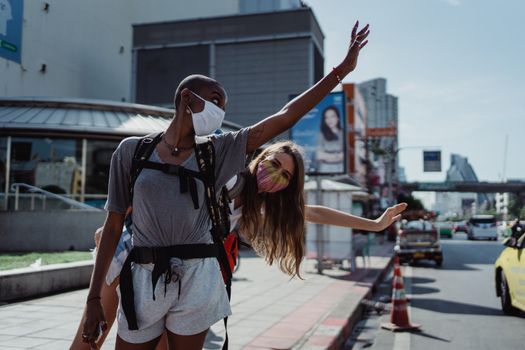
My heart hammered against my ribs, a frantic drum solo accompanying the cacophony of Marrakech's Djemaa el-Fna square. It was my first major solo trip, and while the vibrant chaos was intoxicating, a tiny, insistent voice in my head whispered, "What if? What if something goes wrong? You're all alone." I clutched my bag tighter, my eyes darting, trying to absorb everything while simultaneously watching my back. It was exhilarating, yes, but also a little overwhelming.
That night, back in my riad, I scrolled through forums, soaking up every piece of advice I could find. Over the years, countless trips later, I’ve refined my own safety playbook, learned from seasoned travelers, and even picked up some truly mind-blowing hacks from security experts. These aren't just your grandma's "don't talk to strangers" tips; these are game-changers that empower you, not just protect you.
Solo travel isn't about being fearless; it's about being prepared, smart, and confident. It’s about having the tools to navigate the unexpected with grace and grit. So, if you're ready to unlock the ultimate solo adventure without sacrificing your peace of mind, grab a cuppa, bookmark this page, and let's dive into the expert-level safety hacks that will blow your mind and transform your travels.
1. The Digital Fortress: Your Pre-Trip & On-the-Go Tech Arsenal
In our interconnected world, your smartphone isn't just for Instagram; it's your most powerful safety tool. But are you using it right?
The "Ghost Phone" or "Dummy Wallet" Tactic:
This is pure genius. When I was backpacking through Southeast Asia, particularly in bustling markets in Hanoi or Bangkok, I started carrying a cheap, old smartphone with a dead battery or no SIM card in an easily accessible pocket. If I ever felt threatened or someone demanded my phone, I'd hand over the ghost phone. The same goes for a "dummy wallet" with a few expired cards and a small amount of local currency. It's a small sacrifice that could save your actual valuables – and your peace of mind. I learned this from a security consultant who travels extensively in high-risk areas, and it’s saved me from potential hassle more than once. Imagine the relief of handing over a $20 phone instead of your $1000 smartphone with all your travel memories!
Digital Copies & Cloud Backup:
Before you even leave home, scan your passport, visa, flight tickets, travel insurance, and credit cards (front and back, noting the emergency numbers). Store them in a secure cloud service (like Google Drive or Dropbox) and email them to yourself and a trusted friend or family member. I also keep a physical photocopy separate from my actual documents. When my wallet was pickpocketed in Lisbon, having these digital copies meant I could quickly cancel cards and get a temporary passport from the embassy, minimizing stress and downtime.
Offline Maps & VPN:
Don't rely solely on data. Download offline maps (Google Maps allows this) for your destination before you go. This means you won't get lost even if you lose signal or run out of data. And for public Wi-Fi? A Virtual Private Network (VPN) is non-negotiable. It encrypts your internet connection, protecting your sensitive data from potential hackers lurking on insecure networks in cafes or airports. I use NordVPN, and it's saved me from worrying about my banking details while booking an Airbnb in a remote village in Italy.
The "I'm Safe" Check-In App:
Apps like bSafe or Noonlight allow you to set up a network of trusted contacts who can track your location, receive alerts if you don't check in by a certain time, or even listen in if you activate an emergency alarm. It’s like having a silent guardian angel. I always let my sister know my rough itinerary and check in regularly, especially when I'm venturing off the beaten path in places like the Ecuadorian Amazon.
2. Street Smarts & Situational Awareness: Blending In, Not Standing Out
This isn't about being paranoid; it's about being present and perceptive. The goal is to be a less appealing target.
The "Observer, Not Tourist" Mentality:
When I first started solo traveling, I stuck out like a sore thumb. Now, I make an effort to observe local behavior – how people dress, how they interact, their pace. In Kyoto, for instance, locals move with a calm, measured pace; rushing around with a giant camera screams "tourist." In bustling markets in Istanbul, keeping my hands free and making eye contact with vendors (but not lingering) helped me navigate without being overwhelmed by aggressive sales pitches. Try to blend in with your attire – research local fashion norms before you pack. Leave the flashy jewelry and designer bags at home. My rule of thumb: if I wouldn't wear it walking alone at night in my hometown, I don't wear it abroad.
Body Language is Your Shield:
Walk with purpose, head up, shoulders back. Even if you're utterly lost, project confidence. Avoid staring at your phone while walking, as it makes you an easy target for pickpockets and distracts you from your surroundings. If someone approaches you and makes you uncomfortable, make eye contact, firmly say "No, thank you" or "La, shukran" (in Arabic), and keep moving. In Rome, a persistent street vendor tried to put a bracelet on my wrist. A firm "No!" and walking away with purpose immediately deterred him. Your body language communicates more than you think.
The "Fake Wedding Ring" Trick:
This is a classic, especially for solo female travelers in certain cultures. Wearing a simple band on your left ring finger can sometimes deter unwanted attention or persistent advances. It subtly communicates "taken" and often leads to fewer approaches. I used this for a few weeks while exploring parts of India and found it significantly reduced the number of unsolicited conversations.
3. The Power of Your Gut: Trusting Your Inner Compass
Your intuition is your built-in alarm system. Learn to listen to it.
The Unspoken Language of "No":
If a situation, person, or place feels off, it probably is. Don't worry about being polite or offending someone. Your safety comes first. I once had a taxi driver in Medellín try to take a "scenic route" that felt decidedly un-scenic. My gut screamed. I firmly told him to pull over, got out, and found another taxi. It felt awkward, but I felt much safer. This hack is about empowering you to prioritize your safety over social niceties.
Creating "Safe Spaces" & Exit Strategies:
Always know your escape route. When you enter a restaurant, cafe, or hostel, quickly scan for exits. If you're meeting someone new, choose a public, well-lit place. Have a "bail-out" plan – a contact to call, a fake emergency, or a pre-booked ride-sharing service ready to go. Before meeting a Couchsurfing host in Berlin, I always shared their details and our meeting point with a friend, and had an Airbnb booked as a backup, just in case.
The "Red Flag" Checklist:
Mentally run through a quick checklist: Do I feel comfortable? Is this person respecting my boundaries? Is the situation escalating? Is there alcohol involved? Am I alone? If any answer makes you uneasy, it's time to re-evaluate or remove yourself. This isn't about being scared; it's about being smart and proactive.
4. Financial Fortification: Outsmarting Scammers & Thieves
Money management is key to preventing headaches on the road.
Diversify Your Dough (The 3-Tier System):
Never keep all your money, cards, and documents in one place. I use a three-tier system:
1. Daily Cash: A small amount of local currency in an easily accessible pocket or a small wallet for immediate purchases. This is what you'd use for a coffee or a street food snack.
2. Main Wallet/Card: Your primary credit/debit card and more cash, kept in a secure, hidden pouch (like an RFID-blocking money belt or a hidden pocket in your clothing). I use a neck wallet under my shirt in crowded areas.
3. Emergency Stash: A backup credit card, some emergency USD/EUR, and a photocopy of your passport, hidden deep in your main luggage or a separate, secure bag at your accommodation.
This saved me in Ho Chi Minh City when a moped rider snatched my small fanny pack with my daily cash. Annoying, but not catastrophic, because my main funds were secure.
ATM Vigilance is Non-Negotiable:
Only use ATMs attached to banks during opening hours. Avoid standalone ATMs in dimly lit areas. Always check for skimmers (devices placed over the card slot) or hidden cameras. Shield your PIN with your free hand. If an ATM looks suspicious or "eats" your card, immediately call your bank and the ATM's bank. I once spotted a loose card reader on an ATM in Budapest; a quick tug confirmed it was a skimmer. Trust your instincts!
Notify Your Bank:
Before you leave, inform your bank of your travel dates and destinations. This prevents them from flagging your transactions as fraudulent and freezing your cards. Also, know the international emergency numbers for your bank to report lost or stolen cards immediately.
5. Emergency Preparedness: Beyond the First Aid Kit
While a basic first-aid kit is crucial, true emergency preparedness goes much further.
The "I.C.E." (In Case of Emergency) Contact & Digital Wallet:
Create an "I.C.E." contact in your phone, visible even when locked. This is usually a trusted family member or friend. Additionally, in your phone's health app or a similar feature, input emergency contact info, medical conditions, allergies, and blood type. Many phones now have a "Medical ID" that can be accessed without unlocking the device. This is invaluable for first responders.
Local Emergency Numbers & Phrases:
Know the local emergency services numbers (police, ambulance, fire). In Europe, it's often 112. In the US/Canada, 911. In many other countries, it varies widely. Write them down and keep them handy. Learn a few key phrases in the local language: "Help!", "I need a doctor," "Where is the police?" Even just knowing "Hello," "Please," and "Thank you" (and being able to pronounce them halfway decently) can go a long way in de-escalating situations or getting help.
Personal Safety Alarm:
A small, loud personal safety alarm can be a fantastic deterrent. If you feel threatened, pull the pin, and the piercing sound will often startle an attacker and draw attention. It's compact, inexpensive, and a great psychological boost. I carry one in my daypack, especially when hiking solo in more remote areas of Patagonia.
Comprehensive Travel Insurance:
This isn't a hack; it's a non-negotiable cornerstone of solo travel safety. Research policies thoroughly. Does it cover medical emergencies, emergency evacuation, trip cancellation, lost luggage, and personal liability? Read the fine print! I once had a nasty bout of food poisoning in Peru that required hospitalization. My travel insurance (World Nomads) covered everything, saving me thousands of dollars and immense stress. Don't skimp on this.
6. Accommodation & Transportation: Your Safe Haven Strategy
Your choices here can drastically impact your safety and comfort.
The "Key Card/Room Number" Discretion:
Never loudly announce your room number or flash your key card in public areas of a hotel or hostel. When checking in, ask the receptionist to discreetly write down your room number instead of saying it aloud. This prevents anyone from knowing where you sleep. A simple, yet effective, trick I picked up from a seasoned hotel manager.
Reading Reviews (Beyond the Stars):
When booking accommodation, don't just look at the overall rating. Dive into the reviews, specifically looking for comments about safety, neighborhood ambiance, and solo traveler experiences. Are there mentions of good lighting, secure locks, or helpful staff? I once booked an Airbnb in Barcelona that had great photos but digging into the reviews revealed consistent complaints about a sketchy alley entrance and poor exterior lighting. I canceled and rebooked immediately.
Door Security & Visual Checks:
Upon entering your room, do a quick check:
* Are the locks (deadbolt, chain) working?
* Are the windows secure?
* Is there a peep-hole, and does it work?
* Check behind curtains and in closets.
For added security, consider a portable door lock (like an Addalock) – it's small, lightweight, and adds an extra layer of protection, especially in older hotels or hostels.
Smart Transportation Choices:
* Ride-Sharing Apps (Uber/Grab/Bolt): Use reputable apps where you can track your journey, share your location with a friend, and see the driver's details. Avoid unmarked taxis, especially at night. Always confirm the license plate and driver photo before getting in.
* Public Transport: Research safe routes and times. In cities like Paris or Rome, pickpocketing on crowded subways is common; keep your valuables secure and close to your body.
* Scooters/Motorbikes: While tempting in places like Thailand or Vietnam, only rent from reputable companies, ensure you have proper insurance, and always wear a helmet. The roads can be chaotic, and accidents are frequent. I learned this the hard way with a minor scooter accident in Bali – thankfully, just scrapes, but a stark reminder of the risks.
7. The Art of Connection & Disconnection: Solo, Not Alone
Solo travel doesn't mean isolation. It means choosing your connections wisely.
Hostel Common Areas & Social Events:
Hostels aren't just for budget travelers; many offer excellent social environments. Common rooms, organized tours, and cooking classes are fantastic ways to meet other travelers. I've forged incredible friendships in hostel common rooms, from sharing travel stories in a Lisbon hostel to cooking paella together in Seville. This creates a temporary "travel family" and a sense of collective security.
Local Interactions (With Caution):
Engage with locals! They offer invaluable insights and can enrich your trip. Ask for recommendations, learn a few local phrases, and be open to conversations. However, maintain a healthy level of skepticism. If someone is overly friendly or insistent, especially when offering "help" or a "special deal," be wary. In Florence, a charming man offered to "guide" me to the best leather shop; my gut told me it was a tourist trap, and I politely declined.
Know When to Disconnect:
While connecting is great, sometimes you need to be truly solo. Don't feel pressured to constantly socialize. If you're feeling overwhelmed or tired, retreat to your room, read a book, or simply enjoy your own company. Being well-rested and mentally sharp is a huge safety advantage. I often designate an evening to simply recharge, maybe journaling in a quiet cafe in Amsterdam or enjoying a sunset alone on a beach in Koh Lanta.
The Power of a "Fake Call":
If you're walking alone and feel uneasy, or someone is bothering you, pull out your phone and pretend to be on an important call. Speak loudly and clearly, mentioning details like "I'm just around the corner," or "I'll be there in five minutes." It creates the impression that someone knows your whereabouts and is expecting you, often deterring unwanted attention.
Embrace the Adventure, Armed with Knowledge
Solo travel is one of the most transformative experiences you can have. It strips away your comfort zone, builds resilience, and shows you the incredible strength you possess. These safety hacks aren't meant to instill fear; they're designed to empower you, to equip you with the knowledge and tools to navigate the world confidently and securely.
Remember, the world is overwhelmingly good, and most people are kind and helpful. But being prepared for the exceptions allows you to truly relax and soak in every incredible moment. So, go ahead, dream big, plan smart, and embark on that solo adventure you've been yearning for. The world is waiting, and you're more than ready.
What are your go-to solo travel safety hacks? Share them in the comments below – let's build the ultimate community resource for safe and unforgettable adventures!
---