The Call of the Quiet: My Journey into Profound Stillness
I stepped off the tiny prop plane onto a dusty airstrip, the only sound the gentle hum of the receding engine and the whisper of wind through sparse acacia trees. The air, dry and carrying the faint scent of sun-baked earth and wild herbs, was a stark contrast to the cacophony of city life I’d left behind. This was the gateway to my first true silent retreat, a place where words were not just unnecessary, but actively discouraged. It was a leap of faith, a deliberate shedding of the constant digital chatter that had become the soundtrack to my existence. I craved not just a break, but a fundamental reset, a chance to hear the quiet hum of my own being. This journey, I soon discovered, was less about going somewhere and more about arriving within myself.
Unplugging to Recharge: Why Silent Retreats Are the Ultimate Luxury
In a world that glorifies constant connectivity and the relentless pursuit of "more," the act of choosing silence feels almost rebellious. Yet, for many of us, it's become the most profound form of self-care. Silent retreats aren't just about not talking; they are about creating a sacred space for introspection, emotional processing, and spiritual growth. They offer a rare opportunity to disconnect from external stimuli and reconnect with our inner landscape. I’ve found that after even a few days of intentional silence, my senses sharpen, my thoughts clarify, and a deep sense of peace settles in. It’s the ultimate form of digital detox, a chance to recalibrate your nervous system and return to your daily life with renewed energy and perspective.
1. The Monastery Mystique: Ancient Wisdom in Himalayan Solitude
My first deep dive into silence led me to the foothills of the Himalayas, to a remote Buddhist monastery that had opened its doors to a handful of seekers. The journey itself was an adventure: a bone-rattling jeep ride followed by a several-hour trek, each step taking me further from the familiar world. The monastery, perched precariously on a mountainside, was a symphony of weathered stone, prayer flags fluttering like defiant prayers in the crisp mountain air, and the rhythmic chanting of monks that became the heartbeat of my days.
Pro-Tip:
Pack layers! The mountain climate can shift dramatically. Also, carry a small journal; while spoken words are out, written reflections are often encouraged.
The Experience:
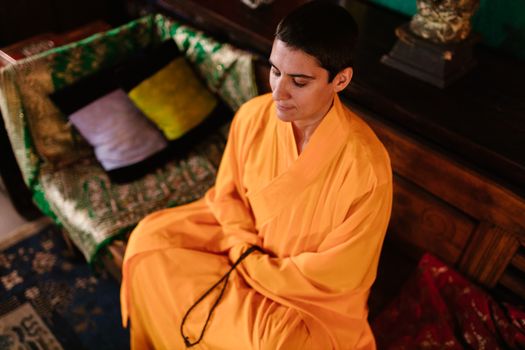
Days here were structured around meditation sessions in dimly lit gompas, mindful walks through ancient forests, and simple, nourishing meals shared in silent communion. The air thrummed with a palpable sense of devotion and centuries of accumulated wisdom. I learned to observe my thoughts without judgment, to find solace in the stillness, and to appreciate the profound beauty of a world stripped bare of distraction. The scent of yak butter lamps and incense became my aromatherapy.
Quick Facts:
* Estimated Cost: $500 - $1500 (depending on duration and donation)
* Best Time to Visit: Spring (March-May) and Autumn (September-November) for clear skies and moderate temperatures.
* How to Get There: Fly into Kathmandu (Tribhuvan International Airport), then take a domestic flight to Lukla, followed by a trek. Arrange monastery stay in advance.
2. Desert Dreamscapes: Finding Stillness in the Moroccan Sands
Imagine waking to the vast, unbroken expanse of the Sahara Desert, the silence so profound it feels like a tangible presence. I found this magic at a secluded desert camp in Morocco, a place where the only sounds were the shifting sands, the distant call of a desert fox, and the crackle of the campfire under a blanket of a million stars.
Pro-Tip:
Bring a high-quality scarf or head covering. The sun can be intense, and it also serves as a stylish accessory for your silent wanderings.
The Experience:
This retreat was less about formal meditation and more about immersion in nature’s grandeur. Days were spent in solitary walks across the dunes, the rippling sand creating ephemeral art with every gust of wind. Evenings were for stargazing, the Milky Way a breathtaking spectacle against the inky blackness. The Berber guides communicated through gestures and warm smiles, fostering a deep sense of connection without a single word exchanged. The taste of mint tea, brewed with local herbs, became a ritual of quiet contemplation.
Quick Facts:
* Estimated Cost: $700 - $2000 (includes accommodation, meals, guided excursions)
* Best Time to Visit: Autumn (October-April) for pleasant temperatures. Avoid summer.
* How to Get There: Fly into Marrakech (Marrakech Menara Airport) or Fes (Fes–Saïss Airport). Arrange a private transfer or join a small group tour to Merzouga or Zagora.
3. Coastal Calm: The Zen of Japanese Ryokans
Japan, a land steeped in tradition and mindfulness, offers some of the most exquisite silent retreat experiences. I discovered this firsthand at a traditional ryokan nestled on a rugged coastline, where the rhythmic crash of waves against ancient rocks provided a constant, soothing soundtrack.
Pro-Tip:
Embrace the onsen (hot springs). The mineral-rich waters are incredibly restorative and perfect for silent contemplation.
The Experience:
Life in a ryokan is a masterclass in understated elegance and mindful living. Tatami mat floors, minimalist decor, and the meticulous presentation of kaiseki meals (multi-course haute cuisine) encourage a deep appreciation for simplicity and beauty. While not all ryokans enforce strict silence, many offer private stays or have designated quiet wings, allowing for profound personal reflection. I spent hours simply gazing out at the turbulent sea from my room, the scent of cedarwood and sea salt filling the air. The art of wabi-sabi – finding beauty in imperfection – was everywhere, from the moss-covered stones in the garden to the slightly uneven glaze on a ceramic teacup.
Quick Facts:
* Estimated Cost: $800 - $3000+ (depending on ryokan luxury and duration)
* Best Time to Visit: Spring (March-May) for cherry blossoms and mild weather, or Autumn (September-November) for vibrant fall foliage.
* How to Get There: Fly into Tokyo (Narita or Haneda) or Osaka (Kansai International Airport). Travel by Shinkansen (bullet train) to a regional hub, then take local trains or buses. Book ryokan well in advance.
4. The Forest Sanctuary: Reconnecting with Nature in Costa Rica
For those who find peace in the vibrant pulse of the natural world, Costa Rica offers an unparalleled sanctuary. I found my quiet amidst the emerald embrace of the rainforest, at a retreat center dedicated to disconnecting from the digital and reconnecting with the earth.
Pro-Tip:
Bring good quality binoculars. The rainforest is teeming with life, and observing it silently is a deeply rewarding experience.
The Experience:
This was a retreat for the senses. The air was thick with the perfume of exotic flowers and damp earth, alive with the symphony of unseen creatures. Days were spent on guided nature walks, learning about medicinal plants and the intricate web of life, or simply sitting in quiet observation, listening to the rustling leaves and the distant calls of howler monkeys. Many retreats here incorporate yoga and meditation in open-air pavilions, allowing you to flow with the natural rhythms of the jungle. The taste of freshly picked tropical fruits, bursting with flavor, was a daily delight.
Quick Facts:
* Estimated Cost: $600 - $1800 (includes accommodation, meals, some activities)
* Best Time to Visit: Dry season (December-April) for less rain, but the "green season" (May-November) offers lush scenery and fewer crowds.
* How to Get There: Fly into San José (Juan Santamaría International Airport) or Liberia (Daniel Oduber Quirós International Airport). Arrange shuttle services or private transfers to your chosen retreat location.
5. Island Serenity: A Digital Detox in the Greek Isles
Sometimes, the purest silence is found where the land meets the sea. I discovered this on a small, lesser-known Greek island, where white-washed villages clung to hillsides and the turquoise Aegean Sea offered a constant, calming presence.
Pro-Tip:
Learn a few basic Greek phrases. Even a simple "kalimera" (good morning) offered with a silent nod can foster warm connections.
The Experience:
This retreat was about embracing simplicity and the slow pace of island life. Days were filled with solitary walks along ancient paths, swimming in secluded coves, and enjoying simple, delicious meals of fresh seafood and local produce at quiet tavernas. Many smaller islands offer guesthouses or villas that are perfect for a personal silent retreat. The scent of wild thyme and sea salt was ever-present. It was a chance to simply be, to feel the warmth of the sun on my skin and the gentle caress of the sea breeze, without the need for constant engagement. The taste of sun-ripened tomatoes and creamy feta cheese was pure bliss.
Quick Facts:
* Estimated Cost: $400 - $1200 (depending on island and accommodation)
* Best Time to Visit: Shoulder seasons (April-May and September-October) for pleasant weather and fewer tourists.
* How to Get There: Fly into Athens (Eleftherios Venizelos Airport) and take a ferry from Piraeus or Rafina to your chosen island. Alternatively, fly to a larger island airport and take a smaller inter-island ferry.
Navigating the Silence: Practical Tips for Your Retreat
Embarking on a silent retreat is a deeply personal journey, and a little preparation goes a long way. Here are some insider tips to help you make the most of your experience:
- Set Your Intentions: Before you go, reflect on why you want to go on a silent retreat. What are you hoping to gain? Having clear intentions can guide your experience.
- Pack Light, Pack Smart: Focus on comfortable clothing, essential toiletries, and anything that supports your practice (e.g., a yoga mat, a journal, a good book for designated reading times).
- Embrace the Discomfort: Silence can be challenging. You might experience restlessness, heightened emotions, or an overwhelming urge to speak. This is all part of the process. Be patient with yourself.
- Respect the Silence: This is paramount. Avoid speaking, making unnecessary noise, or engaging in activities that disrupt the shared silence.
- Listen to Your Body: Rest when you need to, eat mindfully, and allow yourself to be guided by your inner wisdom.
- Communicate Non-Verbally: Learn to use gestures, eye contact, and other non-verbal cues to communicate when absolutely necessary. A warm smile can convey a lot.
- Disconnect Digitally (Completely): Leave your phone, laptop, and any other distracting devices behind. If you must bring one for emergencies, keep it turned off and out of sight.
The Afterglow: Bringing Silence Back into Your Life
The true magic of a silent retreat isn't just the time spent in stillness, but the integration of that peace back into your everyday life. As I’ve returned from these extraordinary locations, I carry a piece of that profound quiet within me. I find myself more present, more patient, and more attuned to the subtle beauty of the world around me.
Whether it's a few moments of mindful breathing before a busy meeting, a silent walk in nature, or simply choosing to savor a cup of tea without distraction, the lessons of silence are potent. These extraordinary locations are more than just destinations; they are catalysts for transformation. They offer us the chance to step outside the noise, to find our own inner compass, and to return to the world with a renewed sense of clarity, purpose, and profound peace.