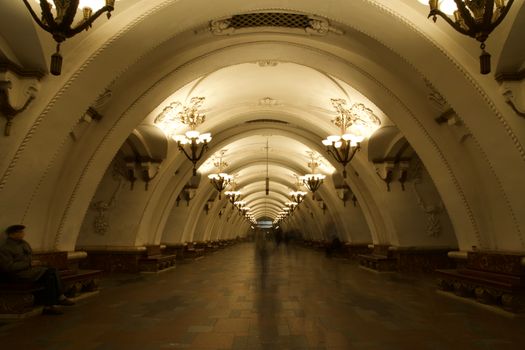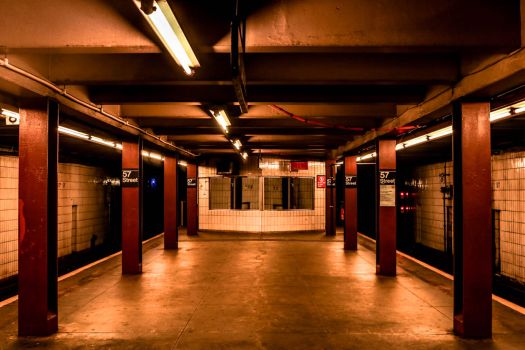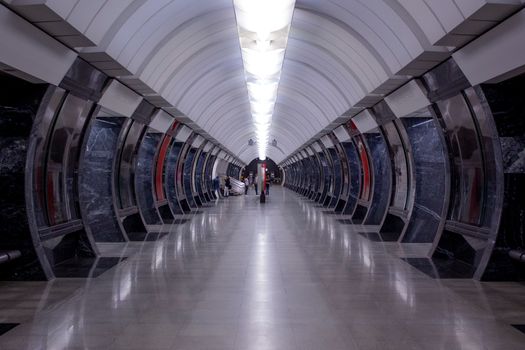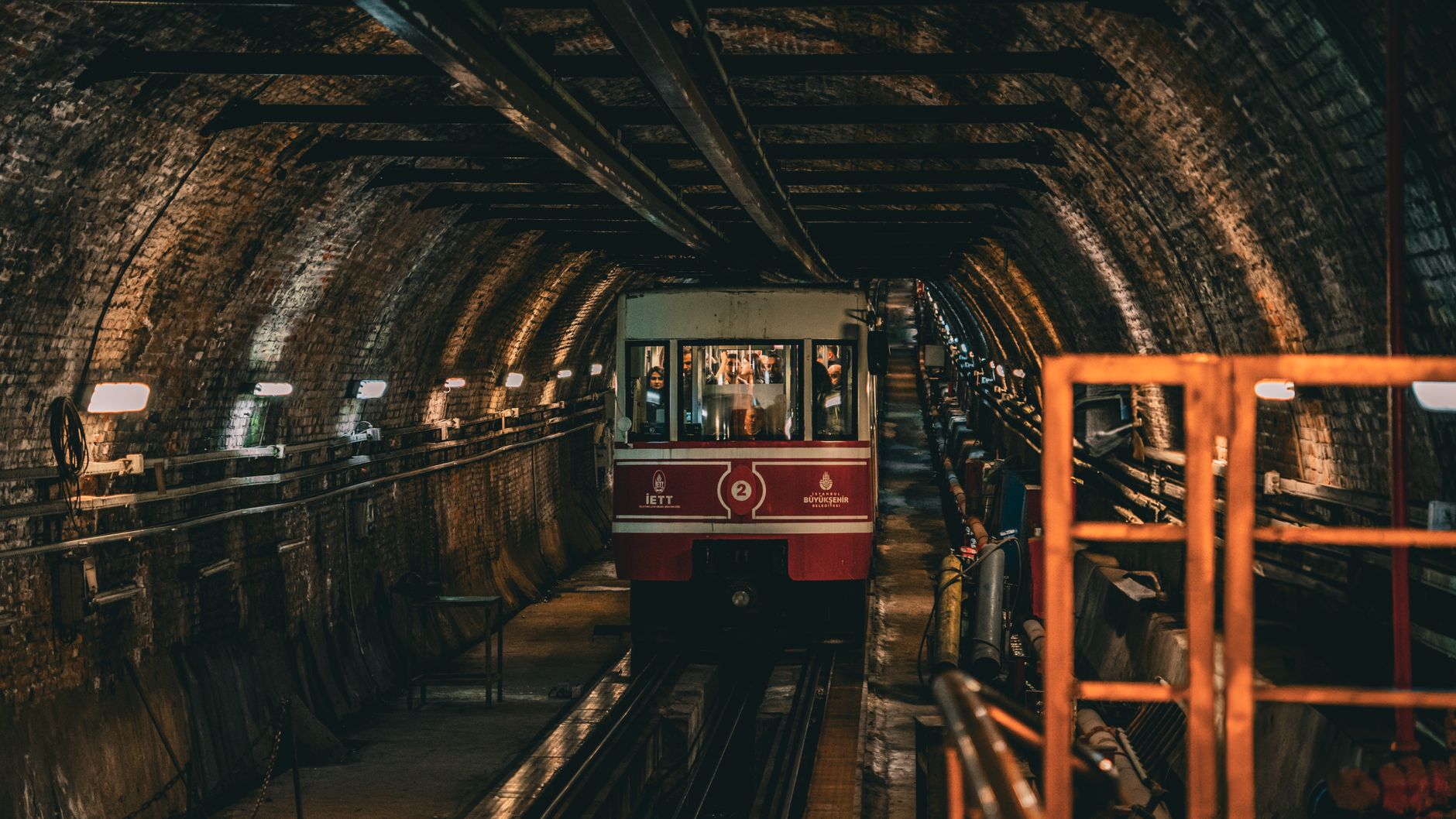
The air grew heavy, thick with the scent of damp earth and an unspoken history. My breath hitched as our guide, a man whose voice seemed to echo the very stones around us, pointed to a narrow, dimly lit passage. "This," he whispered, "is where the true secrets lie." We were deep beneath the bustling streets of Edinburgh, in a place few ever see, and I felt an exhilarating shiver run down my spine. It was a feeling I've chased ever since, a primal urge to peel back the layers of a city and discover its hidden heart.
For years, travelers have flocked to iconic landmarks, gazing up at towering cathedrals and sprawling palaces. But a new, thrilling trend is sweeping the travel world: the exploration of secret tunnels, forgotten catacombs, and ancient underground cities. These subterranean worlds are not just trending because they offer a cool escape from the summer heat; they're trending because they offer an unparalleled, often eerie, and always unforgettable journey into the past. They tell stories the surface world has long forgotten, revealing the resilience, ingenuity, and sometimes the darkest secrets of humanity.
Imagine walking where gladiators once prepared for battle, where ancient civilizations built entire cities to survive, or where clandestine meetings shaped modern history. This isn't just sightseeing; it's time travel. And trust me, once you go underground, you'll never look at a city the same way again.
I've been lucky enough to descend into some of these fascinating subterranean realms, and let me tell you, they are absolutely worth adding to your bucket list. Prepare to be amazed, a little spooked, and utterly thrilled as we dive into the secret tunnels beneath famous cities that are trending right now!
1. Paris Catacombs: The Empire of the Dead
Let's kick things off with arguably the most famous (and chilling) underground network: the Paris Catacombs. This isn't just a tunnel; it's a vast necropolis, an ossuary holding the remains of over six million Parisians. What started as ancient Roman quarries eventually became a macabre solution to overflowing cemeteries in the late 18th century.
My first visit here was both awe-inspiring and profoundly unsettling. Descending 131 steps into the cool, dark earth, you leave the vibrant energy of Parisian streets behind and enter a realm of solemn silence. The air grows noticeably cooler, and a faint, earthy smell permeates everything. The sheer scale is what truly gets you – miles of carefully arranged femurs, tibias, and skulls lining the walls, forming intricate patterns that are both artistic and deeply morbid. There's a sign above the entrance that reads "Arrête! C'est ici l'empire de la Mort" (Stop! This is the Empire of Death), and it truly sets the tone.
Why it's trending:
The Catacombs have always been popular, but recent interest has surged thanks to viral social media posts highlighting its unique aesthetic and historical significance. It's the ultimate "dark tourism" destination, offering a visceral connection to history. Also, the limited entry capacity makes it feel exclusive and therefore, highly desirable.
My personal take:
It's not for the claustrophobic or faint of heart, but if you can handle it, it's an incredibly powerful experience. The quiet reverence of visitors, the flickering lights, and the sheer volume of human remains create an atmosphere unlike any other. It forces you to confront mortality in a way that's surprisingly peaceful.
Practical Details:
* Location: 1 Avenue du Colonel Henri Rol-Tanguy, 75014 Paris, France (Denfert-Rochereau Metro Station)
* Price: Standard ticket ~€29, Skip-the-line with audio guide ~€35-€40. Booking well in advance online is absolutely essential, often weeks or even months ahead. Walk-ins are almost impossible.
* Tips: Wear comfortable shoes (it's a long walk, and the ground can be uneven). Bring a light jacket; it's consistently cool underground. Photography is allowed (no flash, please, out of respect). Expect queues even with timed tickets. The tour is self-guided, but an audio guide is highly recommended for context.
2. Edinburgh Vaults: A Haunting Glimpse into the Underbelly
From the city of light to the city of legends and ghosts, Edinburgh's Old Town hides a network of subterranean chambers known as the Edinburgh Vaults, or South Bridge Vaults. Built beneath the arches of the South Bridge in the late 18th century, these vaults were initially used as workshops and storage, but quickly degenerated into slums, brothels, and criminal dens as conditions worsened.
My first tour of the Edinburgh Vaults was on a blustery autumn evening, and the atmosphere was electric. Our guide, a passionate storyteller with a flair for the dramatic, led us through the pitch-black tunnels, illuminated only by his torch. He painted vivid pictures of the impoverished families who lived there, the body snatchers who plied their gruesome trade, and the spirits said to still linger. You could almost hear the echoes of laughter, cries, and illicit dealings. The air was noticeably colder in certain spots, and a few members of our group swore they felt unexplained touches. Whether you believe in ghosts or not, the sheer weight of history and human suffering in these cramped, dark spaces is palpable.
Why it's trending:
Edinburgh is already a city steeped in mystery, and the Vaults tap directly into that fascination with the macabre and paranormal. "Dark tourism" and ghost tours are booming, and the Vaults offer an authentic, chilling experience that's perfect for Instagram stories and sharing spooky tales with friends.
My personal take:
This is less about grand architecture and more about raw, gritty history and folklore. The quality of the experience heavily depends on your guide – a good storyteller can make it incredibly immersive and chilling. It's a fantastic way to understand the darker side of Georgian Edinburgh.
Practical Details:
* Location: Various tour operators depart from different points around the Old Town. Look for "Mercat Tours" or "City of the Dead Tours."
* Price: Tours typically range from £18-£25, depending on the length and focus (history vs. ghost tour). Booking online a few days in advance is advisable, especially during peak season.
* Tips: Choose a reputable tour company; the guide makes all the difference. Wear warm layers and sturdy shoes. Some tours are quite theatrical and can be genuinely frightening for younger children. Be prepared for very dim lighting and uneven surfaces.
3. Napoli Sotterranea (Naples Underground): A Journey Through Millennia
Beneath the chaotic, vibrant streets of Naples lies a labyrinthine network of tunnels, cisterns, and caves that tell a story spanning over 2,400 years. Napoli Sotterranea is a testament to the city's incredible layered history, from ancient Greek aqueducts to Roman markets, World War II air-raid shelters, and even a subterranean garden.
Stepping into Napoli Sotterranea was like peeling back layers of an archaeological onion. Our guide led us through vast caverns carved from the soft tufa rock, explaining how the Greeks first excavated these spaces for building materials and then for water supply. Later, the Romans expanded the aqueduct system, creating an engineering marvel. During WWII, these same tunnels became a refuge for thousands of Neapolitans, complete with makeshift kitchens, hospitals, and even schools. You can still see graffiti from that era, dolls, and remnants of everyday life, which is incredibly poignant. The highlight for many (myself included) is a section where you navigate incredibly narrow passages by candlelight, connecting to an ancient Roman theatre, part of which is now integrated into a modern apartment building above ground!
Why it's trending:
Naples is having a moment as a must-visit Italian city, and its underground is a huge part of its allure. It offers a unique blend of ancient history, wartime drama, and urban archaeology. The contrast between the vibrant city above and the quiet, ancient world below is incredibly compelling and visually striking for social media.
My personal take:
This tour is a fantastic way to escape the Neapolitan heat and delve deep into the city's soul. It's a surprisingly diverse experience, moving from grand caverns to tight squeezes. The candlelight section is thrilling and truly makes you feel like an explorer.
Practical Details:
* Location: Piazza San Gaetano, 68, 80138 Napoli NA, Italy.
* Price: €15 for the guided tour. Tours run frequently throughout the day, often every hour in multiple languages. Booking online is recommended, especially for English tours, but walk-ins are often possible.
* Tips: The candlelight section is very narrow and can be challenging for those with severe claustrophobia. You can opt out of this section if needed. Wear comfortable shoes. It's cooler underground, but not cold. There are other underground tours in Naples (like Galleria Borbonica), so do your research to pick the one that suits your interests.
4. Cappadocia's Underground Cities: Derinkuyu & Kaymakli
Moving away from urban centers, the ancient region of Cappadocia in Turkey boasts some of the most extraordinary underground cities in the world, most notably Derinkuyu and Kaymakli. These aren't just tunnels; they are sprawling, multi-level subterranean metropolises carved directly into the soft volcanic rock (tufa). Built by early Christians to escape persecution, these cities could house thousands of people for months, complete with ventilation shafts, stables, kitchens, churches, and even wineries.
My journey into Derinkuyu was mind-boggling. Descending through narrow passages, you realize the sheer scale of human ingenuity. We went down eight levels (though the city goes even deeper), navigating through low-ceilinged rooms and past massive circular stone doors that could be rolled into place to seal off sections from invaders. The ventilation system, a series of shafts reaching to the surface, is an ancient marvel, keeping the air surprisingly fresh even hundreds of feet below ground. Imagining entire communities living, working, and praying in these dim, enclosed spaces for extended periods is truly humbling. Kaymakli offers a similar, though slightly less vast, experience and is often combined with Derinkuyu on tours.
Why it's trending:
Cappadocia itself is a massively trending destination, famous for its fairy chimneys and hot air balloon rides. The underground cities offer a complementary, equally breathtaking experience that showcases another side of its unique geological and historical landscape. They're visually stunning and provide incredible photo opportunities for adventurers.
My personal take:
This is an absolute must-do in Cappadocia. It's a profound experience that makes you appreciate ancient engineering and human resilience. It can be a little disorienting and claustrophobic at times, especially in the narrower passages, but the reward of exploring such a unique historical site is immense.
Practical Details:
* Location: Derinkuyu and Kaymakli are about 30-40 minutes drive from Göreme, the main tourist hub in Cappadocia.
* Price: Entrance fees are approximately 150-200 Turkish Lira (TL) per city. Most people visit as part of an organized "Green Tour" or "Red Tour" which includes transport, a guide, and other sites for around €50-€70.
* Tips: Wear comfortable shoes and clothes. It's cool underground. Pay attention to your guide, as it's easy to get lost or miss details. If you're very claustrophobic, consider Kaymakli over Derinkuyu, as some passages in Derinkuyu are particularly tight.
5. Rome's Imperial Underground: Domus Aurea & Colosseum Subterranean
Rome, the Eternal City, has countless layers, and many of its most fascinating stories lie beneath the modern streets. Two prime examples trending right now are the Domus Aurea (Nero's Golden House) and the Colosseum's hypogeum (underground network).
The Domus Aurea was Emperor Nero's opulent palace, built after the Great Fire of Rome. It was so vast and extravagant that it was eventually buried by subsequent emperors and forgotten for centuries. Today, you can take an incredible guided tour through its excavated ruins. My visit here was mind-blowing – walking through what were once grand halls, seeing the faded frescoes and intricate stucco work, and realizing you're underground in a palace that was literally built over and filled in. The experience is enhanced by virtual reality headsets that reconstruct the palace in its full glory, showing you what it looked like above ground. It's a surreal blend of ancient history and modern technology.
The Colosseum Subterranean is where the magic truly happened before the gladiatorial games. This complex network of tunnels, cages, and elevators (used to hoist animals and gladiators into the arena) is now accessible to visitors. Walking through these passages, I could almost hear the roar of the crowd, the clanking of armor, and the nervous breathing of those awaiting their fate. It's a powerful feeling to stand where these historical figures once stood, experiencing the raw anticipation and terror of the ancient games.
Why it's trending:
Rome is always popular, but these specific underground experiences offer a deeper, more intimate connection to its imperial past. The Domus Aurea's VR experience makes it highly shareable, and the Colosseum underground provides a unique perspective on one of the world's most iconic landmarks, moving beyond just the arena floor.
My personal take:
Both offer distinct but equally compelling insights into Roman life. The Domus Aurea is about imperial luxury and the sheer scale of Nero's ambition, while the Colosseum underground is about the gritty reality of the games. They are essential for anyone wanting to truly understand ancient Rome.
Practical Details:
* Domus Aurea:
* Location: Viale della Domus Aurea, 00184 Roma RM, Italy (near the Colosseum).
* Price: Around €18-€20. Tours are guided and require advance booking online, usually weeks ahead.
* Tips: Only open on weekends. The VR experience is fantastic. It can be cool and damp inside.
* Colosseum Subterranean:
* Location: Piazza del Colosseo, 1, 00184 Roma RM, Italy.
* Price: Access is only possible with a special guided tour, often combined with the arena floor and Roman Forum/Palatine Hill. Prices vary but expect €40-€70+.
* Tips: Absolutely mandatory to book months in advance. These tickets sell out instantly. Wear comfortable shoes and hydrate.
6. London's Hidden Depths: Churchill War Rooms & Roman Amphitheatre
London, a city built on layers of history, also offers incredible subterranean adventures. While not "tunnels" in the traditional sense, these hidden depths are trending for their immersive historical experiences.
The Churchill War Rooms are a true time capsule. This underground bunker complex served as the British government's command center during World War II. Walking through the cramped offices, the Cabinet War Room, and Churchill's own bedroom, you feel an intense connection to the pivotal moments of history. The maps still have pins in them, the telephones sit silently on desks, and the air feels charged with the echoes of urgent decisions. It's a deeply immersive experience that brings the war to life in a tangible way.
Less known, but equally fascinating, is the London Roman Amphitheatre beneath the Guildhall Art Gallery. Discovered in 1988, the remains of London's original Roman amphitheatre are now preserved and accessible underground. You can walk around the original walls and gates, seeing where gladiators and wild animals once entertained the Roman citizens of Londinium. It's a stark reminder that beneath the modern city lies a much older, foundational history.
Why it's trending:
The Churchill War Rooms continue to trend due to ongoing interest in WWII history and its exceptional preservation. The Roman Amphitheatre offers a unique "hidden gem" experience that appeals to history buffs looking beyond the typical tourist trail, making it perfect for sharing.
My personal take:
The War Rooms are a powerful, almost sacred site – a must-visit for anyone interested in WWII. The Roman Amphitheatre is a quick but fascinating peek into London's deep roots, especially cool when you realize it's right under a modern building.
Practical Details:
* Churchill War Rooms:
* Location: Clive Steps, King Charles St, London SW1A 2AQ, UK.
* Price: Adults £29.50. Booking online in advance is highly recommended to secure a time slot and avoid queues.
* Tips: Allow at least 2-3 hours. The audio guide is excellent and included. It can get busy, so aim for early morning or late afternoon.
* London Roman Amphitheatre:
* Location: Guildhall Art Gallery, Guildhall Yard, London EC2V 5AE, UK.
* Price: Free entry to the Art Gallery, which includes access to the amphitheatre remains.
* Tips: It's a relatively small exhibit but well-presented. Combine it with a visit to the Guildhall itself for a deeper dive into London's history.
Practical Tips for Your Underground Adventure
Venturing into these subterranean worlds is an exhilarating experience, but a little preparation goes a long way.
- Book Ahead, Always: This cannot be stressed enough. For popular sites like the Paris Catacombs or Colosseum Underground, tickets sell out months in advance. Don't risk disappointment; secure your spot as soon as your travel dates are firm.
- Wear Comfortable Shoes: You'll be doing a lot of walking, often on uneven, damp, or slippery surfaces. Sneakers or sturdy walking boots are your best friends.
- Dress in Layers: Underground environments are consistently cooler than the surface, often damp. A light jacket or sweater is usually a good idea, even on a hot day.
- Know Your Limits (Claustrophobia): Some tunnels (e.g., Naples, Cappadocia, parts of the Catacombs) can be very narrow, dark, and enclosed. If you suffer from severe claustrophobia, research specific tours carefully and don't push yourself. Many offer alternative routes or allow you to opt out of the tightest sections.
- Photography Etiquette: Always check if flash photography is allowed. In historical or sensitive areas, it often isn't. Be respectful of the environment and other visitors. Low-light photography skills will come in handy!
- Embrace the Guide: For many of these experiences, a good guide is invaluable. They bring the history to life with stories, context, and often a touch of local folklore. Don't be afraid to ask questions!
- Stay Hydrated: Even though it's cooler underground, you'll still be walking a lot. Carry a small water bottle.
- Mind Your Head: Low ceilings are common! Watch your step and your head, especially in older, less modified tunnels.
- Charge Your Phone/Camera: You'll want to capture these incredible sights. Make sure your devices are fully charged.
- Be Present: While getting that perfect Instagram shot is tempting, take moments to simply soak in the atmosphere, imagine the past, and appreciate the unique experience.
Why These Underground Worlds Are So Shareable & Instagram-Worthy
These secret tunnels aren't just historical sites; they're viral content waiting to happen.
* Unique Aesthetics: The dimly lit passages, ancient carvings, stacked bones, and dramatic underground caverns offer incredibly striking and unusual visuals.
* Sense of Discovery: The feeling of being "in on a secret" or exploring an unknown world is inherently appealing and makes for compelling storytelling.
* Historical Intrigue: Each site comes with fascinating, often dramatic, stories that are perfect for captivating captions and engaging your audience.
* "Fear Factor" & Mystery: From ghost stories in Edinburgh to the macabre beauty of the Catacombs, there's a thrilling edge that draws people in.
* Contrast: The juxtaposition of modern bustling cities above and silent, ancient worlds below is a powerful narrative.
When you post, use relevant hashtags like #SecretTunnels #UndergroundCities #HiddenGems #UrbanExploration #DarkTourism #TravelAdventures #HistoryBuff #ExploreTheUnseen #TripsoraAdventures. Don't forget to tag the specific location and your travel companions!
Conclusion: Unearth Your Next Great Adventure
The surface world, with all its iconic landmarks, is just one chapter of a city's story. Beneath the bustling streets, hidden in plain sight, lies a subterranean universe waiting to be explored. These trending secret tunnels and underground cities offer more than just a tour; they offer an immersive journey into history, a thrilling escape from the ordinary, and a profound connection to the human spirit.
From the chilling beauty of Parisian ossuaries to the ancient ingenuity of Cappadocian cities and the wartime secrets of London, each underground world holds a unique narrative. They remind us that history isn't just in books or museums; it's alive, breathing, and waiting to be discovered, often just a few feet beneath our very soles.
So, the next time you plan a trip, look beyond the horizon. Look down. Dare to descend into the depths, unearth the hidden secrets, and experience a side of these famous cities that few ever see. Trust me, it will be an adventure you'll bookmark, share, and talk about for years to come.
Which underground adventure are you adding to your bucket list first? Let us know in the comments below!
---