Some of the most rewarding garden visits are not the largest or most famous ones. Hidden gardens may sit behind a plain wall, inside a monastery courtyard, on the grounds of a historic house or within a neighborhood that most visitors never explore. Many are quiet, carefully maintained and rich in local plant knowledge. This guide explains where these spaces tend to be found, how to plan a visit and how to enjoy them without disturbing the people who care for them.
What makes a garden feel hidden
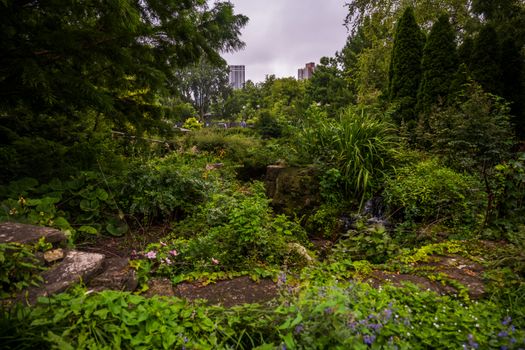
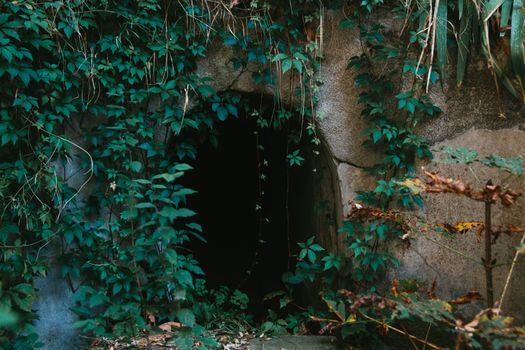
A garden feels hidden when it is not on the main route of a city or region. Common examples include cloister gardens inside religious buildings, walled kitchen gardens attached to country houses, small botanical corners in universities and private gardens that open to the public only on set days. Some are found in dense urban blocks, where a gate in a street opens onto a surprising green space. The common thread is that access is limited, informal or seasonal rather than constant.
Types of quiet gardens to look for
Cloister gardens often have simple geometry, shaded walkways and fountains or sundials at the center. Walled gardens can be sheltered enough to grow fruit and herbs in ways that open landscapes cannot. Historic house gardens may combine formal beds with woodland paths. Community and allotment gardens sometimes welcome visitors on open days, and they can show how local residents grow food in tight spaces. Each type offers a different pace and a different kind of plant knowledge.
Planning around seasons and bloom times
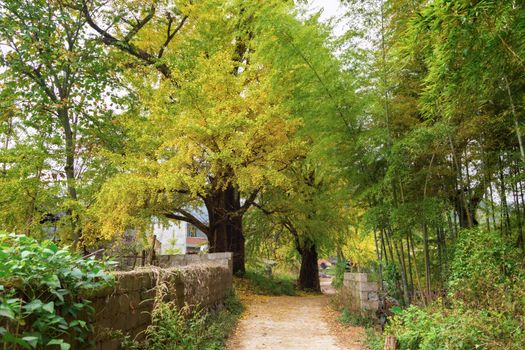
Garden appearance changes greatly across the year. Spring often brings bulbs and blossoms, summer brings dense foliage and pollinators, autumn offers colored leaves and seed heads, and winter can reveal structure, bark and evergreens. Because bloom times vary by climate and altitude, check the garden's own information or local horticultural guides before traveling. Rather than assuming a particular flower will be out, it is usually better to visit during a broad season and enjoy whatever is growing at the time.
Finding gardens and checking access
Local tourism offices, historic trusts, heritage organizations and university botanical departments often publish lists of gardens and their opening arrangements. Open-garden schemes in some countries allow visitors to see private gardens on designated days, usually with a small donation. Opening times, entry fees and facilities change, so confirm them directly before you travel. Some gardens are accessible only by guided tour, and others may restrict photography or dogs in certain areas.
Enjoying a garden respectfully
Visitors can help keep quiet gardens quiet by staying on paths, keeping voices low and avoiding picking plants or taking cuttings. Pay attention to signs about sensitive areas, such as young plantings or nesting sites. If you want to photograph flowers, step carefully and avoid trampling beds for a better angle. Bringing a reusable bag for litter and buying something at the gift shop or café can also support the garden's upkeep.
Practical tips
- Check opening days and times in advance, since many gardens are not open every day.
- Visit on a weekday morning when paths are usually quieter.
- Wear comfortable shoes, as garden paths can be uneven or muddy.
- Carry water and sun protection, especially in exposed walled spaces.
- Look for small plant labels and ask staff about plants you do not recognize.
Common mistakes to avoid
A frequent mistake is arriving at a garden shortly before it closes, leaving little time to look around. Many smaller gardens have short opening windows, and last entry may be earlier than the official closing time. Another error is assuming that an open-garden day is the same every week, when schedules can change with seasons or local events. Travelers also tend to bring large bags or strollers into small walled spaces, where narrow paths can become crowded. Some people rely on old map pins that no longer match the current entrance. Others plan a visit in the middle of a heatwave or heavy rain without considering shelter or the condition of the paths. Checking the garden's own website or a recent notice shortly before travel can prevent most disappointments.
How to decide: a simple checklist
Use these questions to choose which hidden garden to visit:
- How much time do I have, and does the garden need a booked slot?
- Am I interested in plants, architecture, quiet walks or local food growing?
- Can I manage the paths, steps and any uneven ground?
- Will the weather and season suit the planting I hope to see?
- Does the garden allow the photography, pets or bags I plan to bring?
If most answers are straightforward, add the garden to your route and leave flexibility for changes in opening times.
Who this suits and who it doesn't
Visitors who enjoy slow walks, detailed planting and quiet surroundings often find hidden gardens rewarding. Families with energetic children, people with limited mobility or travelers on a very tight schedule may find some of these spaces less suitable, particularly where access is by steep steps or narrow gates. Those interested in large, formal displays may prefer public botanical gardens, which often provide more facilities and clearer signage. Bringing a light notebook can also help you record plant names and features you want to look up later.
Hidden gardens reward patience and curiosity. They are often the places where a city slows down, where local horticultural traditions are visible and where a short visit can leave a lasting impression. Planning ahead, respecting the space and allowing time to look closely will make the experience richer for everyone who visits.