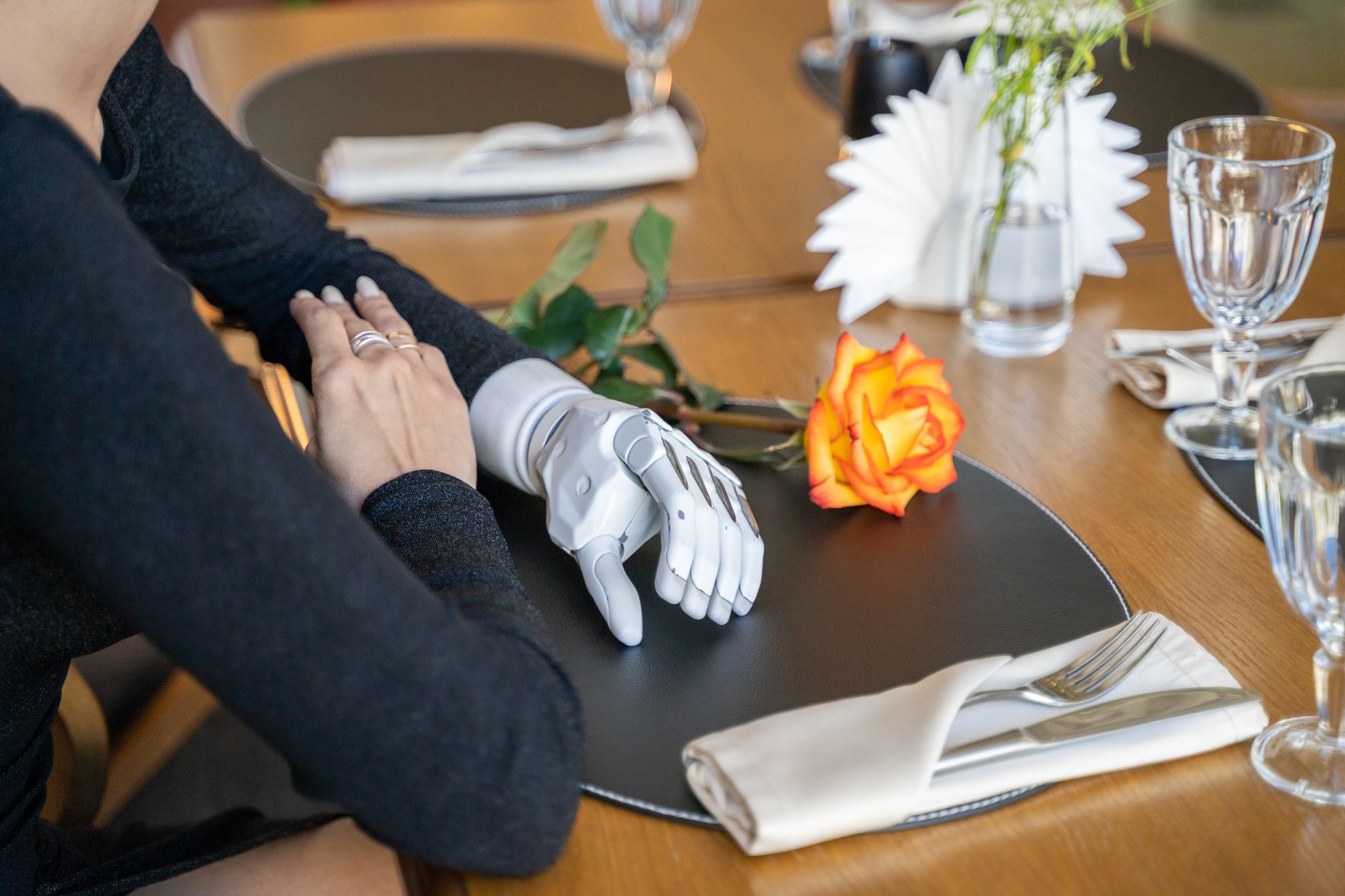
Future Eats: Dining with Droids Before They Take Over the World!
Remember that scene in The Jetsons where food just appears with a press of a button? Or perhaps the sleek, automated efficiency of a sci-fi diner? For years, the idea of robots serving our food was confined to the realm of cartoons and blockbuster movies, a whimsical glimpse into a far-off future. But what if I told you that future isn't just around the corner – it's already here, quietly revolutionizing the way we dine in surprising corners of the world? And the best part? You can experience it now, before it becomes as commonplace as self-checkout kiosks.
I’m a self-proclaimed foodie and a total tech geek, so when I first heard whispers of restaurants where robots weren’t just a novelty act but an integral part of the dining experience, my Tripsora senses started tingling. My initial thought was skepticism: "Is this just a gimmick? Will the food be any good? Will I miss the human touch?" But the adventurer in me couldn't resist. I packed my bags, charged my camera, and set off on a global quest to discover these pioneering establishments, hoping to capture a slice of tomorrow’s dining landscape before it fully hits the mainstream. What I found was nothing short of extraordinary – a fascinating blend of innovation, efficiency, and surprisingly, a unique kind of charm.
Join me as we pull back the curtain on these unsung heroes of the culinary world, exploring the places where droids deliver your dim sum, automated arms brew your barista-level coffee, and robotic chefs whip up your wok-fried noodles. This isn't just about eating; it's about experiencing the cutting edge of hospitality, making memories that feel straight out of a futuristic travelogue, and getting those Instagram-worthy shots that will make your followers double-tap in awe.
Beyond the Gimmick: What Makes Robot Restaurants Special?
Before we dive into my global adventures, let's address the elephant in the room: are these places just a flash in the pan, a technological parlor trick? My answer, after multiple robotic encounters, is a resounding no. While the novelty factor is undeniably a huge draw, the underlying principles driving these establishments point to a more sustainable, efficient, and even hygienic future for dining.
Think about it:
* Efficiency & Consistency: Robots don't get tired, they don't have off days, and they follow programming with unwavering precision. This means faster service, fewer errors, and a consistent quality of product, whether it’s a perfectly poured latte or a precisely mixed cocktail.
* Hygiene & Safety: Especially in a post-pandemic world, the idea of minimized human contact in food preparation and delivery holds significant appeal. Robots don't sneeze, cough, or transmit germs, offering an extra layer of reassurance.
* Novelty & Experience: Let’s be honest, there’s an inherent "wow" factor in watching a sleek, glowing bot glide towards your table with your order. It transforms a regular meal into an immersive, interactive experience, making it memorable and, crucially for us travelers, incredibly shareable.
* Cost-Effectiveness (Long Term): While the initial investment in robotics is high, these systems can significantly reduce labor costs over time, potentially leading to more competitive pricing for customers or higher margins for owners. This is a key driver for their eventual mainstream adoption.
* Filling Labor Gaps: In many parts of the world, the hospitality industry faces chronic labor shortages. Robots offer a pragmatic solution, taking on repetitive or physically demanding tasks and freeing up human staff for more complex customer service roles.
From delivery bots that weave through tables with uncanny grace to sophisticated robotic arms that can flip burgers or stir-fry with a chef's finesse, these establishments are prototyping the next generation of dining. They're not just serving food; they're serving a vision of the future.
My Robotic Rendezvous: A Global Tour of Tomorrow's Table
My journey took me to some incredible cities, each offering a distinct flavor of robot-assisted dining. Here are a few of my favorite discoveries, the places I believe are truly shaping the "before mainstream" narrative:
1. Tokyo's Tech-Driven Izakaya: "Bot-Breeze Bites" (Shinjuku, Tokyo, Japan)
My first stop had to be Tokyo, the undisputed global capital of quirky tech. I’d heard whispers of a new izakaya experience in Shinjuku, just a stone's throw from the bustling Golden Gai, that was quietly integrating robotics. "Bot-Breeze Bites," as it was called, didn't scream "robot restaurant" from the outside. It had a sleek, modern facade, but inside, the magic began.
As I entered, a small, friendly-looking bot with LED "eyes" greeted me, gesturing towards a digital touchscreen at the host stand. After a quick tap, it led me to my booth, a cozy, semi-private space. The ordering was entirely digital via a tablet, offering a vast menu of classic izakaya dishes – yakitori, tempura, edamame, and an impressive sake list.
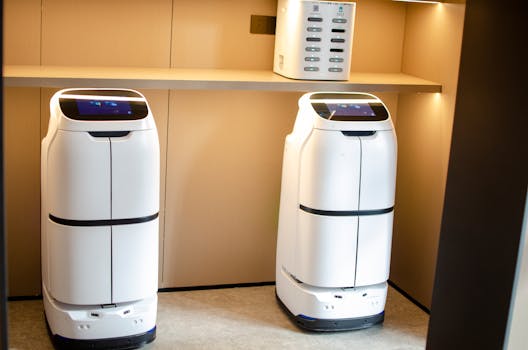
The real show began when my food arrived. Instead of a server, a series of sleek, automated trolleys, affectionately dubbed "Breeze-Bots," glided along designated paths, delivering dishes directly to a small drop-off point at my table. My perfectly grilled yakitori skewers arrived hot, and my chilled sake was perfectly presented. Each bot would pause, its "eyes" blinking a friendly pattern, before gently opening a compartment for me to retrieve my order. It was efficient, silent, and incredibly cool.
- Tripsora Tip: Don't miss the "Automated Aji Fry" (fried horse mackerel). It arrived crispy and piping hot, a testament to the kitchen's efficiency. Prices were surprisingly reasonable for Tokyo, with most small plates ranging from ¥400-¥800 (approx. $3-6 USD). They even had a "Robot Roulette" sake sampler! Bookings are essential, especially on weekends, and can be made through their website or a local dining app. Look for the neon blue "B" on their minimalist black entrance.
2. Singapore's Smart Cafe Scene: "The BrewBot Bistro" (Marina Bay, Singapore)
Next, I zipped over to Singapore, a city known for its futuristic architecture and innovative spirit. "The BrewBot Bistro," nestled near the iconic Marina Bay Sands, was a different kind of robotic experience. Here, the focus was on precision and speed in the coffee and pastry world.
The moment I stepped in, the aroma of freshly brewed coffee filled the air. The cafe had a minimalist, industrial-chic design, dominated by a large glass enclosure behind the counter. Inside, a robotic arm, nicknamed "Brew-Bot," was the star. It methodically ground beans, tamped espresso, steamed milk, and poured intricate latte art with astonishing accuracy. It was mesmerizing to watch, a dance of stainless steel and perfect technique.
Ordering was via a large touchscreen panel, offering a range of coffees, teas, and a curated selection of pastries and light bites delivered from a separate automated carousel. My "Robo-Latte" was ready in under two minutes, delivered to a collection point by a smaller, wheeled bot that looked like a friendly R2-D2. The coffee was excellent – consistently perfect temperature, rich flavor, and flawless foam.
- Tripsora Tip: While the Brew-Bot handles coffee, human baristas are still on hand for custom requests or troubleshooting. Try their "Singapore Sling Espresso Martini" for a truly unique, robot-crafted cocktail. Coffee prices were on par with other high-end cafes, around S$6-9 (approx. $4.50-6.50 USD). This spot is perfect for a quick, high-quality caffeine fix or an Instagram story that will make your friends do a double-take.
3. Seoul's Automated Culinary Artistry: "ChefBot's Kitchen" (Gangnam, Seoul, South Korea)
Seoul, a global leader in tech innovation, was my next logical destination. I had heard rumors of a place in the trendy Gangnam district that was taking robot chefs to a new level. "ChefBot's Kitchen" wasn't just about delivery; it was about actual cooking.
This restaurant was designed like a culinary theater. The dining area featured large glass panels, offering a direct view into the kitchen, where a team of sophisticated robotic arms worked in harmony. Each arm specialized in a specific task: one was meticulously chopping vegetables, another was stir-frying noodles in a wok with incredible speed and precision, and yet another was assembling components for a bibimbap bowl. Human chefs oversaw the process, ensuring quality control and preparing more intricate garnishes, but the bulk of the cooking was automated.
I ordered the "Robo-Ramen" and a "Kimchi Fried Rice" – both dishes known for requiring precise timing and technique. The ramen broth was rich and flavorful, and the noodles perfectly cooked. The fried rice had that ideal smoky "wok hei" flavor, each grain separate and perfectly seasoned. It was astonishing to witness the robots replicate such complex culinary skills. The experience felt less like a novelty and more like a genuinely efficient, high-quality kitchen operating at peak performance.
- Tripsora Tip: Reservations are absolutely essential here, as the viewing spots fill up quickly. Dishes range from ₩12,000-₩25,000 (approx. $9-19 USD). Try to get a table near the glass panels for the best view of the robotic culinary ballet. The "ChefBot's Signature Bulgogi Bowl" is a must-try – the robot-seared beef was incredibly tender.
4. Germany's Engineering Excellence: "Das Roboter-Ristorante" (Munich, Germany)
My final stop on this robot foodie tour took me to Munich, Germany – a country renowned for its engineering prowess. "Das Roboter-Ristorante," located in a bustling tech park on the outskirts of the city, was a testament to German precision and efficiency applied to Italian cuisine.
This wasn't a place for fancy frills, but for impeccably executed, high-volume service. The restaurant specialized in custom-made pasta and pizza. Upon entering, I was handed a small RFID card and directed to a series of touchscreens. I could customize my pasta dish – choosing the type of pasta, sauce, and toppings – or design my own pizza.
Once my order was placed, I could watch the magic unfold. Robotic arms precisely measured ingredients, stirred sauces in large vats, and even kneaded dough for fresh pizza bases. For the pasta, a "Pasta-Bot" would scoop the exact amount of cooked pasta, combine it with my chosen sauce and toppings, and plate it. For pizza, a "Pizza-Bot" would spread the sauce, distribute toppings, and then slide the pie into a high-speed oven. My freshly made Spaghetti Carbonara arrived via a conveyor belt, still steaming, to a designated pickup window. The flavors were authentic, fresh, and remarkably consistent.
- Tripsora Tip: This is a fantastic option for a quick, delicious, and customized meal. Prices are very competitive for Munich, with pasta dishes starting from €9 (approx. $9.50 USD) and pizzas from €12 (approx. $12.50 USD). It’s particularly popular during lunch hours with the local tech crowd. Don't forget to ask for a "Robo-Beer" – dispensed by an automated tap, of course!
Navigating the Novelty: Tips for Your First Robot Dining Experience
Ready to embark on your own futuristic culinary adventure? Here are some practical tips to ensure you have an unforgettable, shareable, and actionable experience:
- Embrace the Tech: Go in with an open mind. This isn't your grandma's kitchen. Expect digital menus, app-based ordering, and less direct human interaction. See it as part of the fun!
- Do Your Research: Robot restaurants are still rare gems. Check online reviews, official websites, and social media for the most up-to-date information on operating hours, reservation policies, and specific robotic features.
- Book Ahead: Many of these places are popular and have limited seating, especially if they offer unique "robot interaction" zones. Reservations are often essential, and sometimes exclusively digital.
- Charge Your Phone (and Power Bank!): You'll want to take photos and videos of the robots in action. Plus, many places rely on QR codes or apps for menus and ordering.
- Be Patient & Observant: New technology can sometimes have glitches. Acknowledge that you're witnessing the cutting edge, and minor hiccups are part of the journey. Take time to observe the robots' movements and how they interact with their environment – it's fascinating!
- Don't Expect a Sommelier: While the food and drink delivery might be automated, the nuanced advice of a human sommelier or a chatty server won't be part of the experience. Appreciate the efficiency for what it is.
- Engage with Human Staff: Despite the robots, there are always human staff members on hand for troubleshooting, complex requests, or just a friendly chat. They’re often keen to share insights into the tech.
- Look for the "Instagram Moment": Think about the angles, the lighting, and the unique interactions. A close-up of a robot pouring coffee, a wide shot of a delivery bot gliding by, or a selfie with your automated server – these are gold!
The Human Element: Where Do We Fit In?
One of my biggest takeaways from this robotic gastronomic journey was the realization that the future of dining isn't necessarily robot or human; it's robot and human. In every single establishment I visited, human staff played crucial roles.
They were the supervisors, ensuring the robots operated smoothly. They were the troubleshooters, stepping in if a bot got stuck or an order went awry. They were the customer service specialists, handling complex requests, dietary restrictions, and providing that essential human touch for guests who needed it. In some cases, they were the creative force behind the menu, designing dishes that the robots could then execute with precision.
Instead of replacing humans entirely, these robots often take over the repetitive, physically demanding, or time-consuming tasks, freeing up human staff to focus on higher-value activities: enhancing guest experience, managing inventory, or developing new culinary innovations. It's a symbiotic relationship, where technology augments human capability rather than simply supplanting it. This hybrid model, I believe, is the true "mainstream" future of hospitality.
The Verdict: Is This the Future, or Just a Gimmick?
After countless robot-delivered meals and automated coffee breaks, my initial skepticism has completely vanished. These robot restaurants are far from a mere gimmick. They represent a significant evolutionary step in the hospitality industry.
Pros:
The efficiency, consistency, and sheer novelty are undeniable. They offer a unique, memorable dining experience that feels genuinely futuristic. The potential for improved hygiene and addressing labor shortages are also huge wins.
Cons:
The lack of human interaction can feel impersonal for some, and the initial investment for owners is substantial. There's also the occasional tech hiccup, though these are becoming rarer.
Ultimately, I believe these establishments are a powerful glimpse into the future. They won't replace every traditional restaurant, nor should they. But for certain types of dining – fast-casual, high-volume, or novelty-driven experiences – they offer a compelling, efficient, and utterly fascinating alternative. This is a trend that is only going to grow, and experiencing it now, in its pioneering stages, is like getting a VIP pass to tomorrow.
So, are you ready to add "dine with droids" to your travel bucket list? Trust me, it's an experience you won't soon forget, and one that will have you pondering the endless possibilities of technology long after your last bite.
Which robot restaurant will you visit first? Have you already dined with droids? Share your stories and tips in the comments below! Let's build the ultimate guide to future dining!