Conquer Chaos: Packing Hacks for Family Travel with Kids You Need to Experience Before You Die!
Let's be real, fellow travelers. The thought of packing for a family trip with young kids can induce more anxiety than a toddler let loose in a ceramics shop. I remember our very first "big" family trip – a week-long escape to the sunny shores of Mexico with our then 2-year-old and a 6-month-old. I packed everything. Two full-size suitcases for the kids alone, plus a carry-on overflowing with "just in case" items. Our rental car looked like a moving sale, and my husband’s patience wore thinner than a well-loved baby blanket.
By the time we reached our resort, exhausted and buried under a mountain of luggage, I swore there had to be a better way. That trip, while beautiful, felt less like a vacation and more like an elaborate logistical challenge. It was a baptism by fire, a trial by suitcase, and it taught me one invaluable lesson: smart packing isn't just about fitting more in; it's about buying back your peace of mind.
Over the years, through countless flights, road trips, and even a European train adventure with two growing boys, we’ve refined our packing strategy from "everything but the kitchen sink" to a finely tuned, stress-minimizing art form. These aren't just tips; they're the battle-tested, sanity-saving packing hacks that have transformed our family travel experience. Trust me, you need to experience these before you embark on your next adventure!
---
1. The Mindset Shift: Packing Smart, Not More (The "Capsule Wardrobe" for Littles)
The biggest hurdle for most parents? The "what if" syndrome. What if they spill? What if it gets cold? What if they need that specific dinosaur shirt? Ditch it. Embrace the mantra: less is more, and versatility is king.
The Hack:
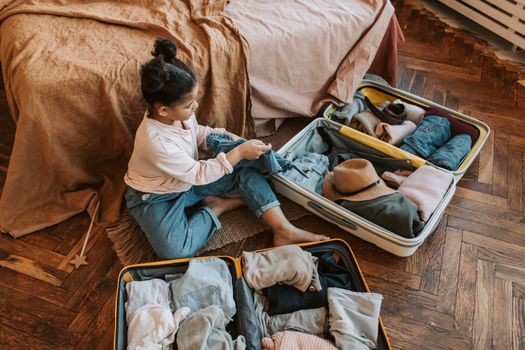
Implement a "capsule wardrobe" for your kids. This means choosing clothes that mix and match easily, are comfortable, and can be layered. Think solids, stripes, and simple patterns. For a 7-day trip, I aim for 4-5 bottoms, 6-7 tops, 2-3 pajamas, 1-2 sweaters/jackets, and 1-2 swimsuits (if applicable).
Why it works:
* Reduced laundry: Fewer items mean less to wash, or fewer emergency washes on the go.
* Easier outfit selection: Kids (and parents) can pick an outfit quickly without rummaging through a mountain of clothes.
* Lighter luggage: Obvious, but crucial!
Personal Anecdote:
On our road trip through the Canadian Rockies, I initially packed individual outfits for each day for my then 4-year-old. By day three, he was determined to wear the same "adventure pants" every day. I realized I’d overpacked massively. Now, I pack three pairs of "adventure pants" and five versatile tops. He’s happy, and my suitcase is lighter. We save the fancy outfits for special occasions, not everyday travel.
Actionable Tip:
Before you pack, lay out everything you think you need. Then, take a photo. Now, ruthlessly remove one-third of it. You’ll be surprised how much you don’t actually need. For digital documents like passports, tickets, and reservations, scan them and save them to a cloud service (like Google Drive or Dropbox) and email copies to yourself. This has saved us more than once when a paper ticket went rogue!
---
2. The Magic of Organization: Cubes, Bags, & The Outfit Bundle Revolution
This is where the real magic happens. If you’re not using packing cubes, stop what you’re doing and order them now. Seriously. They are the single greatest investment for family travel.
The Hack:
* Packing Cubes are your best friends: Assign a different color packing cube to each child. This makes it incredibly easy to identify whose clothes are whose. For our boys, Liam gets blue, Noah gets green. No more digging through a shared pile!
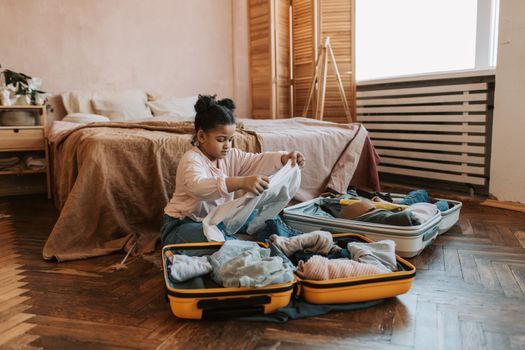
* The "Outfit Bundle" Method: For each day, roll a complete outfit together – underwear, socks, bottom, top. Place these bundles into a packing cube. This means when you need an outfit, you just grab one bundle. It's a game-changer for early mornings or quick changes. For our week in Costa Rica, each boy had 5-6 pre-bundled outfits, plus PJs and swimwear in separate cubes.
* Zippered Wet Bags: These are invaluable. Use them for dirty clothes, wet swimsuits, or even clothes that got unexpectedly messy (hello, spilled juice box on the plane!). We always carry 2-3 in different sizes.
Why it works:
* Unparalleled organization: Say goodbye to suitcase explosions. Everything has its place.
* Empowers kids: Even young kids can help pack their own color-coded cubes or grab their daily outfit bundle.
* Easy access: Need a specific item? You know exactly which cube it's in.
* Containment: Dirty clothes don't mix with clean ones.
Personal Anecdote:
We navigated a multi-city train trip through Italy with two toddlers using only carry-on luggage thanks to this method. Every morning, the boys would excitedly pick their "blue cube" or "green cube" and pull out their pre-made outfit. It saved us so much time and stress in cramped hotel rooms and airbnbs, especially in places like Florence where our apartment was tiny!
Actionable Tip:
Invest in a variety of packing cube sizes. Larger ones for clothes, smaller ones for underwear/socks, and slim ones for PJs. For extra organization, consider clear, zippered toiletry bags for individual toothbrushes, toothpaste, and hairbrushes for each child. This also makes checking for forgotten items a breeze.
---
3. Carry-On Conquerors: The "Busy Bag" and Emergency Essentials
Your carry-on (or the kids' small backpacks) isn't just for essentials; it's your portable sanity kit. This is where you strategically pack items to combat boredom, hunger, and unexpected mishaps.
The Hack:
* The "Busy Bag" Concept: Each child gets a small backpack filled with novel, age-appropriate entertainment. Think coloring books, sticker books, a small Lego set, a new (or rarely seen) toy, and a few favorite books. We rotate these items to keep them fresh. For our 3-hour flight to Disney, a new pack of Play-Doh and a small magnetic drawing board were absolute lifesavers.
* Snack Attack Prevention: Pack a variety of non-perishable snacks. Pouches, fruit snacks, crackers, granola bars, and dried fruit are staples. Avoid anything too messy or crumbly. Always pack more than you think you'll need.
* Emergency Outfit: A complete change of clothes (including underwear and socks) for each child (and maybe even a spare top for yourself!) in a Ziploc bag. This has saved us from countless sticky situations – vomit, spilled drinks, potty accidents.
* Medication & First Aid: Any prescription medication, a small bottle of children's pain reliever, band-aids, antiseptic wipes, and a thermometer. All easily accessible.
* Comfort Items: Their favorite lovey, blanket, or pacifier. These are non-negotiable for comfort and sleep.
Why it works:
* Prevents meltdowns: Boredom and hunger are the enemies of peaceful travel.
* Immediate relief: Accidents happen. Being prepared means a quick fix, not a prolonged crisis.
* Sense of security: Kids feel more comfortable with familiar items.
Personal Anecdote:
On a flight from London to Dublin, my youngest (then 3) decided his entire juice box needed to explore the contents of his lap. Thanks to the emergency outfit in his carry-on, we were able to clean him up quickly, change him, and avoid a sticky, uncomfortable remainder of the flight. The flight attendant even complimented our preparedness!
Actionable Tip:
Don't forget headphones (child-sized!) and a fully charged tablet or phone loaded with offline games, movies, or audiobooks. A portable charger is also a must-have for those long travel days. For car trips, consider an inexpensive shoe organizer hung over the back of the front seat to hold snacks, toys, and books within easy reach of the kids.
---
4. Diaper & Potty Training Perfection: Smart Hacks for Little Bottoms
Diapers and potty training gear can take up an enormous amount of space. This section is all about minimizing that bulk without compromising comfort or hygiene.
The Hack:
* Buy at Destination: For longer trips, especially internationally, research if your preferred diaper brand is available and affordable at your destination. Often, buying a pack or two upon arrival can save significant suitcase space. We found this strategy invaluable on our trip to Japan – local diapers were readily available and high quality.
* The Diaper Roll: Instead of stacking diapers flat, roll each one tightly and secure with a rubber band. They take up less space and are easier to fit into gaps.
* Foldable Potty Seat/Travel Potty: If you’re in the thick of potty training, a lightweight, foldable travel potty seat (like the Potette Plus) or a small, inflatable potty can be a lifesaver for public restrooms or emergencies.
* Travel Wipes & Diaper Disposal Bags: Always pack a small pack of wipes in your day bag, and a roll of scented diaper disposal bags. They’re compact and contain odors effectively.
Why it works:
* Space-saving: Reduces bulky items in your luggage.
* Convenience: Ensures you have what you need without overpacking.
* Hygiene: Keeps things clean and contained.
Personal Anecdote:
On a two-week trip to Thailand, we initially packed a week's worth of diapers. Within days, we realized how much space they took up and how easy it was to buy local brands at pharmacies and supermarkets. We ended up donating our extra pack before we left and only packed a day's worth for our return flight. Lesson learned: research local availability!
Actionable Tip:
For shorter trips, count out the exact number of diapers needed for each day, plus 2-3 extras. For wipes, transfer some to a reusable, slim travel wipe container instead of bringing a bulky full pack.
---
5. The "Just In Case" Saviors (The Minimalist Edition)
You can't pack for every single contingency, but you can pack smart for the most common ones. This isn't about packing everything; it's about packing multi-purpose items and essentials.
The Hack:
* Ziploc Bags, All Sizes: These are the unsung heroes of family travel. Use them for snacks, wet clothes, organizing small toys, containing leaky toiletries, or even impromptu trash bags. I pack a variety of sizes – gallon, quart, and snack-size – and they always get used.
* Travel-Size Toiletries (or Refillables): Don't bring full-size bottles for a short trip. Buy travel sizes or, even better, invest in reusable silicone travel bottles and fill them with your preferred shampoo, conditioner, and body wash. For kids, look for multi-purpose wash (shampoo/body wash combo).
* Small First-Aid Kit: Beyond the carry-on essentials, a small kit with antiseptic cream, children's motion sickness medication, tweezers, and any specific allergy meds.
* Universal Plug Adapter & Portable Charger: Essential for international travel and keeping all devices charged.
* A Lightweight Scarf/Sarong: This versatile item can be a blanket, a nursing cover, a sun shade, an emergency towel, or even a fashion accessory.
Why it works:
* Preparedness without bulk: Addresses common issues efficiently.
* Versatility: Multi-purpose items save space.
* Cost-effective: Reusable items save money in the long run.
Personal Anecdote:
During a particularly humid trip to Charleston, South Carolina, my youngest got a heat rash. Our tiny first-aid kit, with its small tube of hydrocortisone cream, was a godsend. It prevented a minor discomfort from becoming a major issue. On another trip, a Ziploc bag saved our phones from a sudden downpour on a boat tour around the Greek islands.
Actionable Tip:
Before packing any toiletries, ask yourself: "Can I buy this easily at my destination if I run out?" If the answer is yes for non-essential items, consider leaving it behind. For sunscreens and bug sprays, buying at the destination can save you from checking a bag or dealing with liquid restrictions.
---
6. Gear Gurus: Smart Choices for Strollers, Carriers, & Car Seats
Bulky gear is often the biggest packing headache. Making smart choices here can dramatically reduce your luggage load.
The Hack:
* Lightweight Travel Strollers: Ditch the behemoth stroller for travel. Invest in a compact, lightweight travel stroller that folds easily and ideally fits in an overhead bin (like the Bugaboo Butterfly or the Babyzen Yoyo). This was a game-changer for navigating the narrow streets of Rome and the busy airports.
* Baby Carriers/Toddler Backpacks: For younger children, a comfortable baby carrier (Ergobaby, Tula) can be invaluable for airports, city exploration, or hiking. For toddlers who still get tired but refuse a stroller, a toddler hiking carrier offers a great alternative.
* Renting vs. Bringing Car Seats: For car seats, weigh the cost and hassle of bringing your own versus renting one at your destination. Rental companies often charge $10-15 per day, which can add up. However, bringing your own ensures familiarity and safety standards. For short trips, or if you're very particular, bring your own. For longer trips where you're renting a car for weeks, renting might be more economical. Some airlines allow you to check car seats for free.
* "Gate Checking" Larger Items: Strollers and car seats can often be gate-checked for free, meaning you can use them right up to the plane door and pick them up right after landing. Confirm with your airline beforehand!
Why it works:
* Mobility: Makes navigating airports and destinations much easier.
* Comfort: Ensures kids are comfortable and safe.
* Flexibility: Gives you options for different travel scenarios.
Personal Anecdote:
Our lightweight travel stroller was an absolute lifesaver on our trip to Santorini. We gate-checked it, used it to navigate the airport, and then easily folded it to carry up and down the countless stairs in Oia. Trying to do that with our regular stroller would have been a nightmare! We also once rented a car seat in Maui that was so old and flimsy, we immediately regretted not bringing our own. Now, for any trip involving car travel, we usually bring our own or research rental options meticulously.
Actionable Tip:
If you're bringing a car seat, consider a protective travel bag (some even have wheels!) to prevent damage and make transport easier. For strollers, attach a brightly colored ribbon or tag to easily spot it among other gate-checked items.
---
7. The Final Countdown: Pre-Trip Prep & Last-Minute Checks
The actual packing is just one part of the equation. A little pre-trip planning and a solid checklist can prevent those last-minute panic moments.
The Hack:
* The Master Packing List: Create a digital master packing list (Google Docs, Evernote) for each family member and each type of trip (beach, city, camping). Duplicate and customize for each new adventure. This ensures you never forget essentials.
* Involve the Kids: For older toddlers and preschoolers, let them "help" pack their own small backpack with their chosen toys and books. This gives them ownership and excitement for the trip.
* The "One Last Look" Photo: Before zipping up your main luggage, take a quick photo of the contents. If you arrive and realize something's missing, you can quickly scan the photo to see if it was forgotten or just misplaced.
* Weigh Your Bags: Invest in a luggage scale. Seriously. Avoid those embarrassing and expensive overweight baggage fees at the airport. Most airlines charge $50-$100+ for overweight bags. Southwest, for example, allows two free checked bags up to 50 lbs each – a dream for families!
Why it works:
* Reduces stress: No more frantic searching or forgetting key items.
* Efficiency: Streamlines the packing process for future trips.
* Empowerment: Kids feel like part of the adventure.
Personal Anecdote:
I once forgot my youngest’s favorite stuffed animal (essential for sleep!) on a weekend trip. A quick photo of the packed suitcase confirmed it wasn’t there, and my husband had to drive back an hour to retrieve it. Never again! Now, the "one last look" photo is mandatory.
Actionable Tip:
Lay out all outfits for the first day of travel on top of your carry-on or in an easily accessible packing cube. This makes getting ready after a long journey much smoother, especially if you arrive late at night. Also, pack a small laundry pod or travel-size detergent for quick sink washes of essential items.
---
Ready to Pack Smarter, Travel Happier?
Packing for a family trip with young kids doesn't have to be a Herculean task. By shifting your mindset, embracing smart organization, and making strategic choices about what you bring (and what you leave behind), you can transform your travel experience. These hacks aren't just about saving space; they're about saving your sanity, reducing stress, and allowing you to truly enjoy the precious moments of exploring the world with your little ones.
We've gone from baggage-laden disasters to nimble, confident family travelers, and so can you. Imagine arriving at your destination, bags unpacked quickly, kids happy, and you feeling refreshed, not defeated. That's the dream, and these hacks make it a reality.
Now, it's your turn! Which of these hacks are you excited to try on your next adventure? Or do you have a genius packing tip we missed? Share your wisdom in the comments below – let's build the ultimate family travel packing guide together! Happy travels, explorers!
---