The Great Outdoors: From Niche to Now
I stepped off the train and was immediately hit by the crisp, pine-scented air. It was a scent that felt both ancient and invigorating, a stark contrast to the stale, recycled air of the city I’d left behind. The distant murmur of a flowing river, the rustle of leaves underfoot – these were sounds I’d only glimpsed in glossy magazines or dreamt about during endless Zoom calls. This wasn't just a weekend escape; it was a full-blown immersion into a world that’s suddenly, gloriously, in vogue. For years, the call of the wild was a whisper, a pursuit for the dedicated few. Now? It’s a roar, a global phenomenon. Outdoor experiences that were once considered niche are now mainstream, and frankly, it’s about time.
1. Glamping: Luxury Under the Stars
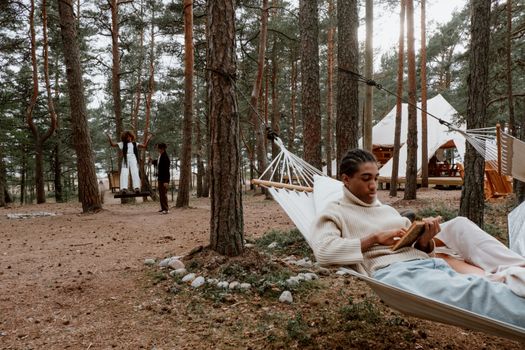
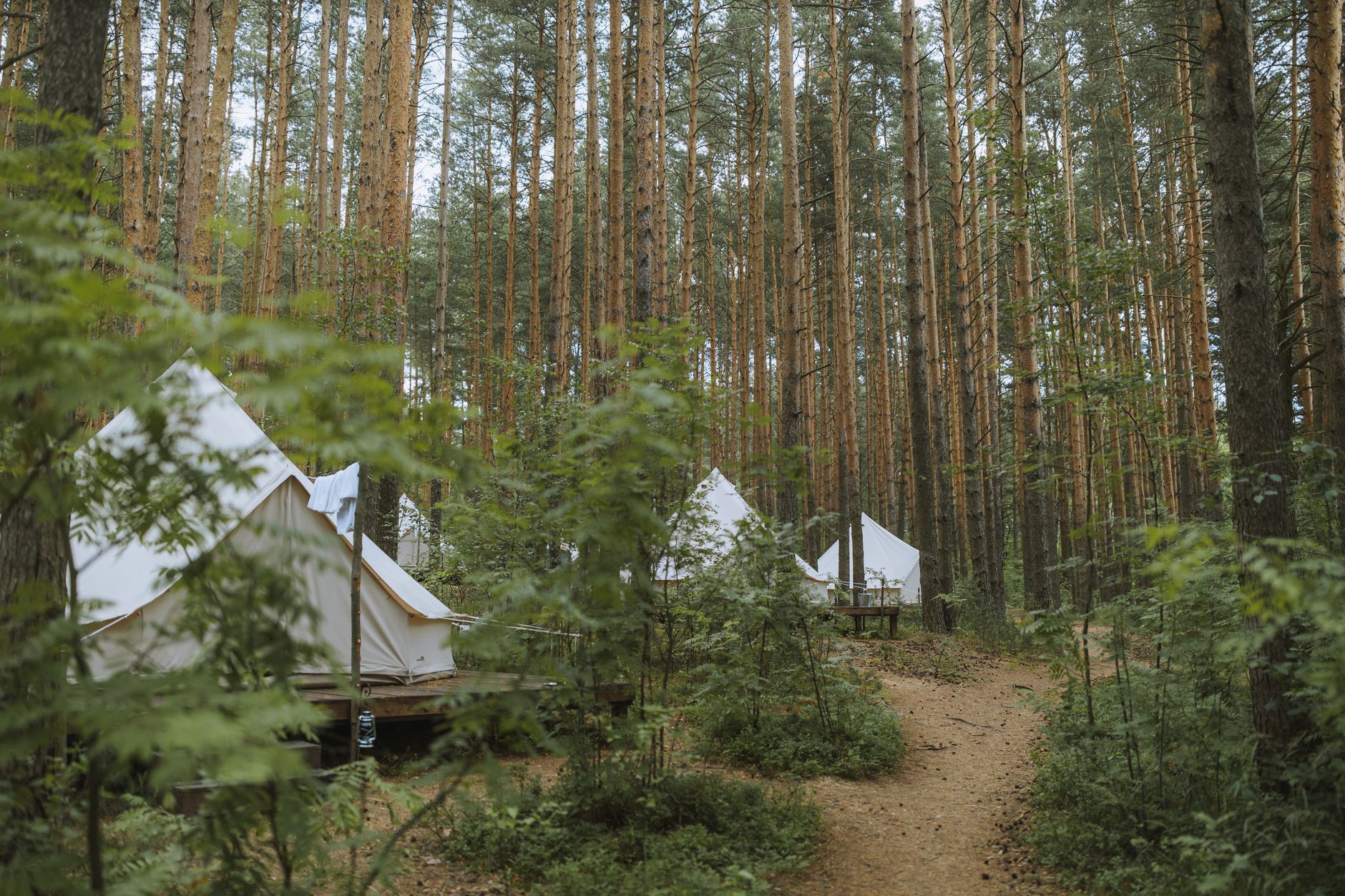
Remember roughing it? Forget that. Glamping has redefined sleeping outdoors, blending the raw beauty of nature with the creature comforts we secretly crave. We’re talking plush bedding, gourmet meals cooked over an open fire, and views that rival any five-star hotel.
The Rise of the "Glamper"
This isn't your grandpa's camping. Glamping is about intentional connection with nature without sacrificing comfort. Think geodesic domes with panoramic skylights, safari tents with king-sized beds, or even treehouses that feel like something out of a fairytale. It’s accessible luxury, inviting a whole new demographic to experience the magic of the outdoors.
Pro-Tip:
Many glamping sites now offer curated experiences like guided stargazing tours, private yoga sessions, or even local wine tastings. Book these in advance!
Quick Facts: Glamping Getaway
- Estimated Cost: $150 - $500+ per night (depending on luxury level)
- Best Time to Visit: Spring and Fall for pleasant weather, Summer for peak experience.
- How to Get There: Varies wildly. Many sites are accessible by car, while some require a short hike or boat ride.
2. Forest Bathing (Shinrin-yoku): The Ultimate Digital Detox
The Japanese practice of Shinrin-yoku, or forest bathing, has swept the globe. It’s not about hiking or strenuous activity; it’s about mindful immersion in the forest atmosphere. Think slow walks, deep breathing, and engaging all your senses to connect with the natural world.
Finding Your Zen Amongst the Trees
The science is compelling: spending time in nature can lower cortisol levels, boost your immune system, and improve your mood. It's the antidote to our hyper-connected, always-on lives. I’ve found that simply sitting by a tree, feeling its rough bark, and listening to the symphony of birdsong can reset my entire nervous system. It’s a profound, yet simple, act of self-care.
Pro-Tip:
Look for guided forest bathing walks led by certified guides. They’ll help you unlock the full potential of the experience. Don’t bring your phone, or at least put it on airplane mode!
Quick Facts: Forest Bathing Immersion
- Estimated Cost: Free (for self-guided) to $50 - $100 (for guided sessions)
- Best Time to Visit: Year-round, but Spring and Autumn offer particularly vibrant sensory experiences.
- How to Get There: Accessible via local parks, national forests, and nature reserves.
3. Urban Hiking & City Nature Escapes: Nature in Your Backyard
Who says you need to travel for hours to find nature? Cities are embracing their green spaces like never before, transforming forgotten lots into vibrant community gardens and developing intricate networks of urban trails.
The Concrete Jungle Gets Greener
From the High Line in New York to the multitude of riverside paths in almost every major city, urban hiking is democratizing nature. It’s about finding pockets of wildness, exploring hidden staircases, and discovering breathtaking city vistas from unexpected vantage points. I recently discovered a forgotten railway line turned into a walking path right in the middle of London – a complete revelation!
Pro-Tip:
Use apps like AllTrails or Komoot to discover local urban trails. Look for lesser-known routes for a more authentic experience.
Quick Facts: Urban Trail Trekking
- Estimated Cost: Free
- Best Time to Visit: Early mornings or late afternoons to avoid crowds and enjoy softer light.
- How to Get There: Public transport, walking, or cycling.
4. Paddleboarding: The Calm on the Water
Stand-up paddleboarding (SUP) has exploded from a niche watersport to a global phenomenon. It’s accessible, relatively easy to learn, and offers a unique perspective on waterways, from serene lakes to bustling coastlines.
Gliding Through Serenity
There's a meditative quality to paddleboarding. The gentle sway of the board, the rhythmic dipping of the paddle, the feeling of being one with the water – it’s incredibly grounding. Whether you're exploring a tranquil mangrove forest or catching small waves, SUP offers a full-body workout with a side of pure bliss. The quiet glide, the splash of water, the sun on your skin – it’s a sensory overload in the best possible way.
Pro-Tip:
Rent a board first to see if you like it before investing. Look for SUP yoga classes for an extra challenge and a deeper connection with the water.
Quick Facts: Paddleboard Adventures
- Estimated Cost: $20 - $75 (rental for a few hours)
- Best Time to Visit: Calm mornings or late afternoons. Avoid windy days when starting out.
- How to Get There: Lakes, rivers, calm coastal areas. Many rental shops are conveniently located.
5. Outdoor Wellness Retreats: Recharging the Soul
The concept of wellness has expanded far beyond the spa. Outdoor wellness retreats are booming, integrating activities like yoga, meditation, and mindful movement with the restorative power of nature.
Nature as Your Sanctuary
These retreats are designed to disconnect you from the digital world and reconnect you with yourself. Imagine waking up to the sound of birdsong, practicing yoga on a cliff overlooking the ocean, or learning about foraging for edible plants. It’s a holistic approach to well-being, harnessing the natural environment as a powerful healing force. I once attended a retreat where the most profound moment was a silent sunrise hike followed by a communal breakfast made with ingredients foraged the day before. The simplicity was astounding.
Pro-Tip:
Research retreat leaders and their philosophies. Look for smaller, more intimate retreats for a more personalized experience.
Quick Facts: Wellness Retreats
- Estimated Cost: $300 - $1000+ per weekend/few days
- Best Time to Visit: Varies by location and climate, but Spring and Fall are often ideal.
- How to Get There: Typically in secluded, natural settings – often requiring a car or arranged transport.
6. Van Life & Overlanding: Freedom on Four Wheels
The allure of the open road, the ability to wake up to a new view every day – van life and overlanding have captured the imagination of millions. It’s more than just a trend; it’s a lifestyle embracing freedom, minimalism, and constant exploration.
The Nomadic Dream Realized
From meticulously converted campervans to rugged, all-terrain vehicles, the van life community is diverse and inspiring. It’s about prioritizing experiences over possessions, living a life of intentionality, and embracing the beauty of the journey. The smell of coffee brewing as you watch the sunrise over a mountain range, the camaraderie with fellow travelers on a remote beach – these are the moments that define this movement. The freedom to pivot your plans based on the weather or a spontaneous recommendation is intoxicating.
Pro-Tip:
Start small! Rent a campervan for a short trip before committing to a full conversion. Join online communities for tips and inspiration.
Quick Facts: Van Life & Overlanding
- Estimated Cost: Varies hugely from vehicle purchase/conversion costs to daily living expenses.
- Best Time to Visit: Year-round, depending on your chosen destinations and comfort level.
- How to Get There: Roads, trails, and off-road routes. Research specific vehicle capabilities.
7. Stargazing & Dark Sky Tourism: Reconnecting with the Cosmos
In an era of light pollution, finding truly dark skies is a treasure. Stargazing has become a mainstream pursuit, with dedicated dark sky parks and organized tours making the wonders of the universe accessible to everyone.
A Universe of Wonder
There’s something profoundly humbling about standing beneath a canopy of a million stars, far from the glow of city lights. The sheer scale of the cosmos, the silence, the twinkling celestial bodies – it’s an experience that puts everything into perspective. I’ve spent nights in remote deserts, guided by astronomers pointing out constellations and nebulae, and felt a connection to something ancient and vast. The Milky Way, a luminous band across the inky black, is a sight that never ceases to amaze.
Pro-Tip:
Check out the International Dark-Sky Association website for certified dark sky locations near you. Bring a red-light flashlight to preserve your night vision.
Quick Facts: Stargazing Adventures
- Estimated Cost: Free (for self-guided) to $50 - $150 (for guided tours/observatory visits)
- Best Time to Visit: New moon phases for maximum darkness. Clear nights are essential!
- How to Get There: National parks, remote desert areas, mountains, and designated dark sky reserves.
The Future is Outdoors
These aren't fleeting fads; they represent a deeper shift in how we value our time, our well-being, and our connection to the planet. The mainstreaming of these outdoor experiences is a testament to our innate human need to explore, to breathe fresh air, and to find solace and adventure beyond our screens. So, pack your bags, lace up your boots, or simply step outside your door. The great outdoors is calling, and it’s never been more accessible or more rewarding.