The Outdoor Dining Revolution: A Gastronomic Awakening
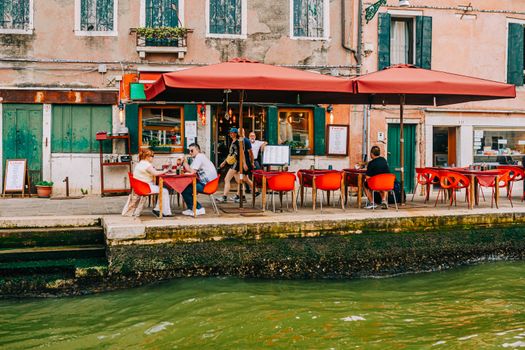
I stepped off the train in Bologna, the scent of slow-cooked ragù already a warm embrace. But instead of heading straight for a traditional trattoria, my senses were pulled by the murmur of laughter and the clinking of glasses spilling from a narrow alleyway. There, bathed in the soft glow of string lights, a dozen makeshift tables were crammed into what was once just a service passage. Locals and a handful of in-the-know travelers were feasting on platters of crescentine (fried dough) and bowls of tagliatelle al ragù, the air thick with the aroma of basil and aged Parmigiano. This wasn't just dinner; it was an experience, a vibrant testament to the outdoor dining revolution that's silently, yet profoundly, reshaping how we connect with food and place.
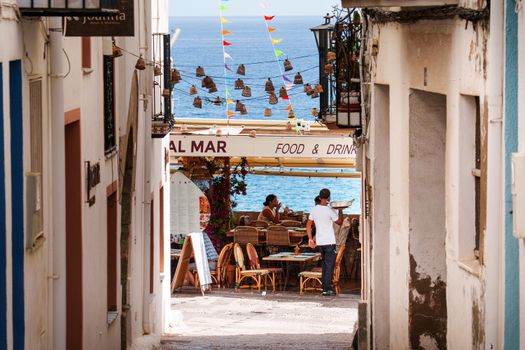
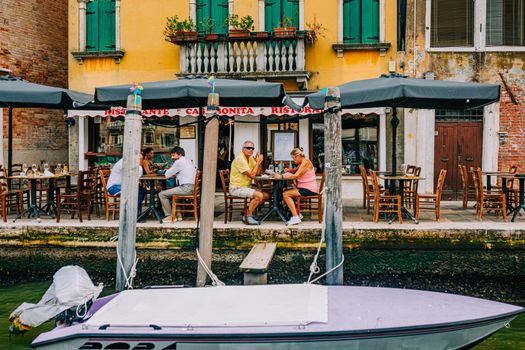
This isn't a fleeting trend; it's a seismic shift. From the cobblestone streets of Europe to the sun-drenched beaches of Southeast Asia, chefs and restaurateurs are embracing the elements, transforming public spaces into dynamic culinary canvases. It’s about more than just escaping indoors; it’s about immersion, about tasting the soul of a city where the air itself is seasoned with local life.
The Rise of the Al Fresco Epicurean
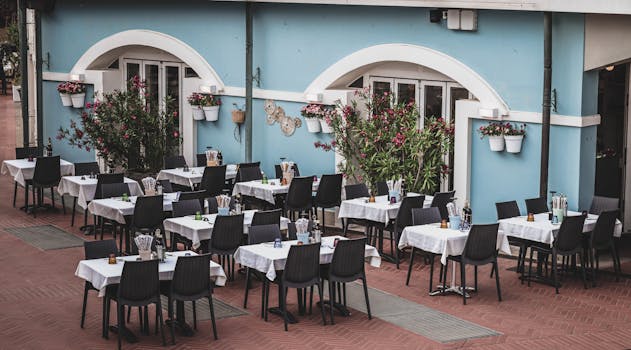
For decades, outdoor dining often meant a red-and-white checkered tablecloth on a slightly wobbly patio, perhaps with a mediocre view. But that era is fading faster than a forgotten reservation. Today's al fresco revolution is characterized by innovation, authenticity, and an unwavering commitment to quality, even when the "restaurant" is a repurposed shipping container or a lush botanical garden.
Why the sudden embrace of the outdoors?
Several forces are at play:
- Post-Pandemic Liberation: The lingering desire for open spaces and a sense of freedom has undeniably fueled this movement.
- Authenticity Seekers: Travelers and locals alike crave genuine experiences, and what's more authentic than enjoying food where it's made, or in a setting that embodies the local spirit?
- Sensory Engagement: The sights, sounds, and smells of an outdoor environment elevate the dining experience, making it more memorable.
- Sustainability Focus: Many outdoor setups leverage local produce and minimize energy consumption, aligning with growing eco-conscious consumerism.
From Sidewalks to Sanctuaries: The Diverse Faces of Outdoor Dining
The beauty of this revolution lies in its sheer diversity. It’s not a one-size-fits-all phenomenon.
1. The Street Food Renaissance: Flavor on the Fly
This is perhaps the most visible manifestation of the outdoor dining revolution. Gone are the days when street food was solely associated with greasy spoons and questionable hygiene. Today's street food scene is a global phenomenon, often helmed by talented chefs who have ditched brick-and-mortar for the freedom of the open air.
- What to Expect: Expect meticulously crafted dishes, from Michelin-starred chefs doing pop-ups in bustling night markets to innovative food trucks serving gourmet tacos or artisanal dumplings. The focus is on bold flavors, fresh ingredients, and rapid, efficient service.
- Insider Tip: Look for queues of locals – that's your golden ticket to the best, most authentic flavors. Don't be afraid to try something unfamiliar; it might just become your new obsession.
- Example: The Jalan Alor food street in Kuala Lumpur is a prime example. As dusk settles, this vibrant artery transforms into a culinary wonderland. The air hums with activity, the sizzle of woks, and the calls of vendors. I remember devouring a plate of char kway teow so perfectly charred and infused with wok hei, it felt like a culinary revelation, all while navigating the throng of eager diners.
2. Rooftop Realms: Sky-High Gastronomy
Cities around the world are realizing the untapped potential of their rooftops. Once reserved for mechanical equipment, these elevated spaces are now becoming prime real estate for dining.
- What to Expect: Think panoramic cityscapes, chic ambiance, and sophisticated menus. Rooftop dining offers a sense of occasion, perfect for romantic evenings or celebratory dinners. Many feature innovative cocktails, often using herbs grown on-site.
- Pro-Tip: Book well in advance, especially for sunset seatings. Check the venue's dress code; some can be quite upscale.
- Example: Terra by Eataly in New York City offers a stunning rooftop garden where you can enjoy Italian specialties with breathtaking views of the Flatiron Building. The fresh pesto, made from basil grown just feet away, tasted like pure sunshine.
3. Garden Retreats: Verdant Vistas and Culinary Delights
Imagine dining amidst blooming flowers, the gentle rustle of leaves your soundtrack, and the aroma of herbs wafting from nearby beds. Garden dining offers a tranquil escape from urban chaos.
- What to Expect: This can range from casual picnics in public parks organized by local caterers to elegant restaurants with expansive, manicured gardens. The emphasis is on fresh, seasonal ingredients, often sourced directly from the garden, and a relaxed, bucolic atmosphere.
- Insider Language: Look for places that highlight "garden-to-table" menus. The subtle notes of lavender in a dessert or the peppery bite of freshly picked arugula are what make these experiences special.
- Example: Many Michelin-starred restaurants in the French countryside, like La Bastide de Gordes, offer exquisite dining experiences on their terraces overlooking lavender fields. The delicate flavors of local goat cheese paired with a sun-ripened fig, all enjoyed with the scent of lavender in the air, is pure bliss.
4. Vineyard Voyages: Sipping and Savoring Among the Vines
For wine lovers, there’s no greater pleasure than enjoying a meal where the grapes are grown. Vineyard dining has evolved from simple tastings to full-fledged gastronomic journeys.
- What to Expect: Expect farm-to-table menus designed to perfectly complement the estate's wines, often featuring regional specialties and seasonal produce. The setting is undeniably romantic, with rolling hills and rows of vines stretching to the horizon.
- Pro-Tip: Many vineyards offer cooking classes or vineyard tours as part of the dining experience. Check if wine pairings are included or an optional add-on.
- Example: Castello di Ama in Tuscany offers an incredible experience where you can dine on their terrace, surrounded by vineyards, enjoying dishes that are masterfully paired with their world-class Chianti Classico. The earthy notes of the wine echoed the richness of the wild boar cinghiale stew.
5. Pop-Up Paradises: Fleeting Flavors in Unexpected Places
The ephemeral nature of pop-up restaurants adds an element of excitement and exclusivity to outdoor dining. These temporary culinary ventures often appear in unique, often surprising, locations.
- What to Expect: Chefs test new concepts, experiment with innovative dishes, and create buzz in temporary, often unconventional, outdoor spaces. Think dining in an abandoned warehouse courtyard, a scenic overlook, or a bustling public square for a limited time.
- Insider Tip: Follow your favorite chefs and food blogs on social media religiously. Pop-ups are announced with little notice and sell out fast.
- Example: In cities like London or Berlin, you'll often find "supper clubs" hosted in hidden courtyards or community gardens, offering multi-course tasting menus that are as much about the discovery of the location as the food itself.
Data-Driven Delights: The Numbers Behind the Outdoor Boom
The shift towards outdoor dining isn't just anecdotal. Market research paints a clear picture:
- Growth: The global outdoor dining market has seen a significant surge, with projections indicating continued expansion as consumers prioritize experiences over traditional dining.
- Consumer Preference: Surveys consistently show a preference for outdoor seating, with a majority of diners willing to wait longer for an outdoor table.
- Revenue Impact: Restaurants with well-executed outdoor dining programs often report increased revenue and customer loyalty.
Logistics and the Lay of the Land: Making it Happen
Embracing the outdoor dining revolution requires a bit of planning and an adventurous spirit.
| Feature | Estimated Cost ($) | Best Time to Visit | How to Get There | Pro-Tip |
| :------------------ | :----------------- | :----------------- | :---------------------------------------------------------------------------------------------------------------------------- | :--------------------------------------------------------------------------------------------------------------------------------------------------------------------------------------------------------- |
| Street Food Hubs | $5 - $20 per meal | Evening (6 PM - 11 PM) | Public transport, walking. Often in central, bustling districts. | Embrace the chaos! Be prepared for crowds and limited seating. Cash is often king. |
| Rooftop Bars/Restaurants | $30 - $100+ per person | Evening (sunset onwards) | Taxis, ride-sharing, public transport to the building, then elevator. | Book ahead! Especially for prime views and peak times. Check for happy hour deals. |
| Garden Dining | $25 - $75 per person | Lunch or Early Evening | Car, taxi, or public transport to the specific venue. May be in quieter, suburban, or rural areas. | Check the weather forecast! Many have covered areas, but truly open gardens are weather-dependent. |
| Vineyard Estates | $50 - $150+ per person | Mid-day to Late Afternoon | Car or pre-booked transport. Often located in rural wine regions, requiring dedicated travel. | Allocate ample time! A vineyard visit is a leisurely experience. Consider designated drivers or transport services. |
| Pop-Up Events | Varies ($20 - $200+) | Varies (often evenings) | Follow event organizers closely for location details. Can be anywhere from urban centers to remote natural settings. | Act fast! Tickets sell out instantly. Sign up for newsletters and follow social media accounts of your favorite chefs and event planners. |
The Future is Al Fresco: What's Next?
The outdoor dining revolution is still unfolding. We're likely to see:
- More Tech Integration: Smart tables, QR code ordering for outdoor spaces, and even drone delivery to scenic picnic spots.
- Hyper-Local Focus: Restaurants dedicating even more space to on-site urban farms and vertical gardens.
- Themed Outdoor Experiences: Immersive dining events that blend food with art, music, and performance in outdoor settings.
- Year-Round Adaptability: Innovations in heating, cooling, and protective structures to make outdoor dining viable in more climates.
This isn't just about enjoying a meal outside; it's about reconnecting with our environment, our communities, and the fundamental joy of sharing food. So, the next time you plan a culinary adventure, look beyond the four walls. The most exciting flavors, the most unforgettable experiences, might just be waiting for you under the open sky.
---