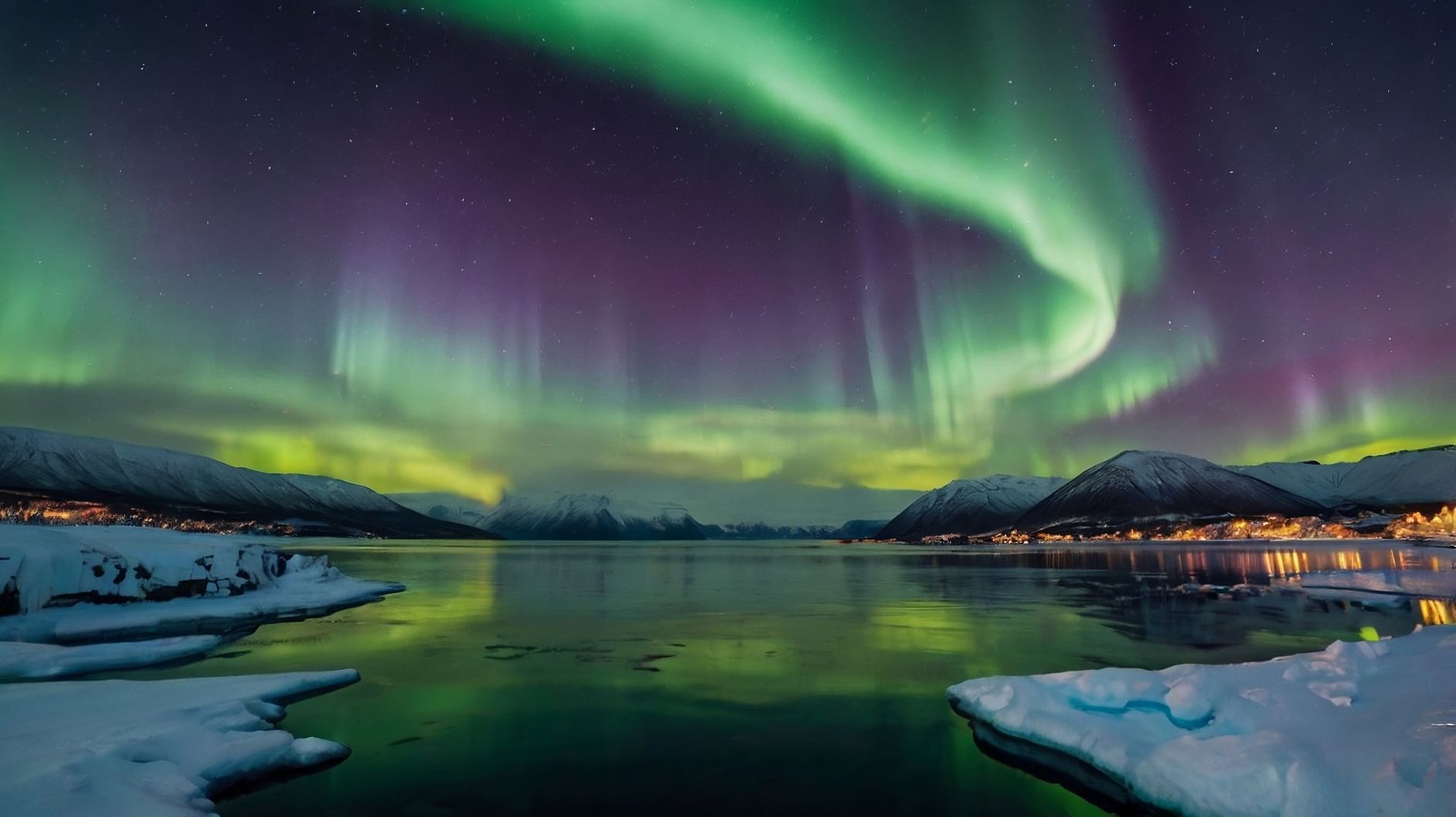
The Hook: A Whisper in the Arctic Wind
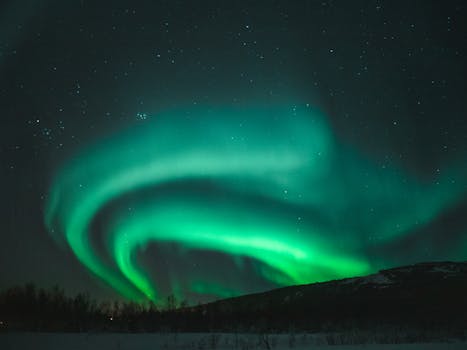
I stepped off the train in Abisko, Sweden, the air so crisp it felt like shattered glass against my lungs. The silence was profound, broken only by the crunch of my boots on the snow and the distant sigh of the wind. This wasn't the frantic energy of a crowded viewpoint; this was pure, unadulterated Arctic. And as the sky began its slow, ethereal dance, I knew I’d found it – the kind of Northern Lights experience you dream of, one where the vastness of the cosmos feels like it's all yours. Forget the selfie sticks and the hurried departures; this is about immersion, about connection, about witnessing nature's greatest spectacle in its most authentic, unadulterated form.
Beyond the Bus: Why Go Solo for the Aurora?
Let’s be honest, the allure of the Northern Lights is undeniable. But the reality of battling crowds, coordinating with tour schedules, and feeling like just another face in the herd can detract from the magic. My quest for the aurora has always been about more than just ticking a box; it’s about the journey, the solitude, the personal connection with the raw beauty of the Arctic. Finding spots without the tour bus brigade isn't just about avoiding people; it’s about unlocking a deeper, more intimate experience. It's about the freedom to linger, to photograph without obstruction, and to truly feel the aurora's presence.
My Top Picks: Where the Aurora Dances for the Undiscovered
After countless trips and whispered conversations with locals, I’ve curated a list of Northern Lights spots that offer that coveted, tour-bus-free magic. These are places where you can breathe deep, soak in the silence, and witness the aurora in its full glory, often with only the wildlife as your companion.
1. The Wilderness of Finnish Lapland: Untamed Beauty, Untamed Lights
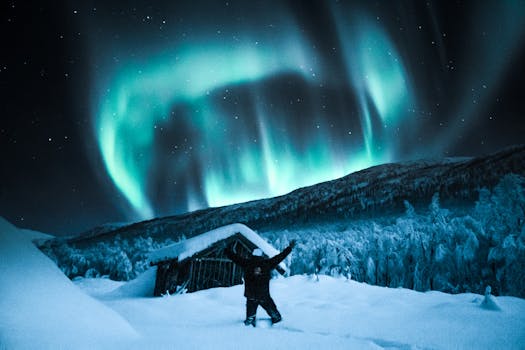
Finnish Lapland is a vast expanse of frozen lakes, dense forests, and national parks that feel truly wild. While Rovaniemi gets its fair share of attention, venture further north and east for true solitude.
Pro-Tip: The Secret of the 'Komsas'
Look for ancient Sami dwelling sites, known as 'komsas'. These depressions in the landscape, often hidden in remote areas, offer natural windbreaks and a sense of stepping back in time. Imagine watching the aurora from a spot that has witnessed centuries of Arctic life – it’s profound.
Authenticity: The smell of pine needles frozen solid, the faint, almost imperceptible scent of woodsmoke from a distant cabin, the crunch of reindeer moss underfoot. This is the real deal.
Quick Facts: Finnish Lapland (e.g., Utsjoki region)
- Estimated Cost ($): $$ (Self-catering cabin or guesthouse, groceries, fuel)
- Best Time to Visit: September-March
- How to Get There: Fly into Rovaniemi (RVN) or Ivalo (IVL), then rent a car. Public transport is limited in these remote areas.
2. The Lofoten Islands, Norway: Dramatic Peaks and Coastal Glow
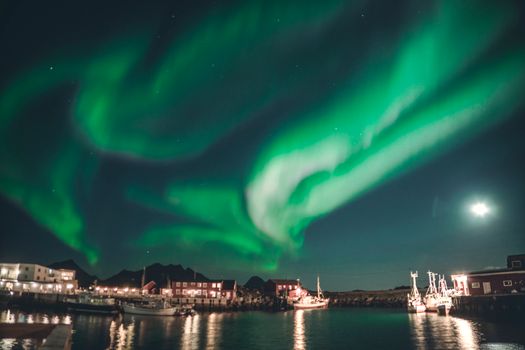
While the Lofoten Islands are popular, their sprawling nature and numerous hidden coves mean you can easily find your own private aurora viewing spot, far from any organized groups. The juxtaposition of jagged mountains, red fishing villages, and the celestial light show is breathtaking.
Pro-Tip: The 'Henge' of Reinebringen
Hike (or drive partway) up towards Reinebringen for panoramic views. Even if you don't reach the summit, there are numerous viewpoints lower down that offer incredible vistas without the bus crowds. Look for smaller, unmarked paths leading to coastal clearings.
Authenticity: The salty tang of the sea air mingling with the crisp Arctic chill, the rhythmic clang of fishing boat bells in a sleepy harbor, the subtle scent of dried cod hanging to cure.
Quick Facts: Lofoten Islands, Norway (e.g., Reine, Hamnøy)
- Estimated Cost ($): $$$ (Accommodation can be pricier, especially in popular villages. Car rental essential.)
- Best Time to Visit: October-March
- How to Get There: Fly into Bodø (BOO) and take a ferry, or fly into Leknes (LKN) or Svolvær (SVJ). Car rental is highly recommended for exploring.
3. The High Plains of Iceland: Vastness and Volcanic Vistas
Iceland is synonymous with the Northern Lights, but many visitors flock to the Golden Circle. For a truly uncrowded experience, head to the less-traveled regions like the Westfjords or the Snæfellsnes Peninsula, or even the vast, empty plains inland.
Pro-Tip: The Ghost Towns of the East
Explore abandoned fishing villages in the East Fjords. These silent remnants of past lives, with their weathered wooden houses and empty harbors, provide a hauntingly beautiful backdrop for the aurora. The isolation here is palpable.
Authenticity: The subtle mineral scent of volcanic rock, the faint whisper of geothermal activity in the distance, the taste of pure, cold glacial water.
Quick Facts: Iceland (e.g., Snæfellsnes Peninsula, East Fjords)
- Estimated Cost ($): $$$ (Iceland is generally expensive. Self-catering and camping (in summer, but aurora is in winter) can save money.)
- Best Time to Visit: September-April
- How to Get There: Fly into Keflavík (KEF) and rent a 4x4 vehicle. Be prepared for challenging winter driving conditions.
4. The Canadian Prairies (Alberta/Saskatchewan): Unexpected Arctic Majesty
Often overlooked for their more mountainous cousins, the Canadian Prairies offer incredibly dark skies and vast, unobstructed horizons, perfect for aurora viewing. The flatness means you can see the lights stretch across the entire sky.
Pro-Tip: The 'Roadside Rest Stop' Revelation
Pull over at any designated rest stop or small, unnamed pull-off along the Trans-Canada Highway (Highway 1) or secondary highways. The sheer lack of light pollution in these vast agricultural lands is astonishing.
Authenticity: The earthy scent of frozen soil, the subtle sweetness of distant hay bales, the deep, resonant silence of the open plains.
Quick Facts: Canadian Prairies (e.g., Elk Island National Park, Alberta; Grasslands National Park, Saskatchewan)
- Estimated Cost ($): $$ (More affordable accommodation and food than Scandinavia/Iceland. Car rental is necessary.)
- Best Time to Visit: Late August-April
- How to Get There: Fly into Calgary (YYC) or Edmonton (YEG) in Alberta, or Saskatoon (YXE) or Regina (YQR) in Saskatchewan. Rent a car.
5. The Highlands of Scotland: A European Gem, Minus the Crowds
Yes, you can see the Northern Lights in Scotland! Head north to the Highlands, particularly the Cairngorms National Park or the remote northern coastlines. While not as frequent as further north, the aurora here feels like a special, whispered secret.
Pro-Tip: The 'Bothy' Beacon
Seek out a remote 'bothy' (a basic, unlocked shelter) in the Highlands. These offer incredible solitude and a rugged, authentic experience. Check local walking maps and be prepared for a hike.
Authenticity: The peaty scent of the moorland, the crisp, clean air carrying the faint aroma of heather, the sound of a babbling brook over ancient stones.
Quick Facts: Scottish Highlands (e.g., Cairngorms National Park, Caithness)
- Estimated Cost ($): $$ (Self-catering cottages or B&Bs, local pubs for meals.)
- Best Time to Visit: October-March (though sightings are less frequent and intense than in polar regions)
- How to Get There: Fly into Inverness (INV) or Edinburgh (EDI)/Glasgow (GLA) and rent a car.
Mastering the Art of Independent Aurora Hunting
Seeing the Northern Lights without a tour is an art form, and like any art, it requires a little preparation and a lot of patience. Here’s my playbook for a successful solo aurora adventure.
Gear Up for Glory:
- Warmth is King: Think layers! Thermal base layers, fleece mid-layers, and a waterproof, windproof outer shell are non-negotiable. Don't forget a warm hat, gloves, and insulated boots. My personal favorite is a good pair of merino wool socks.
- Camera Essentials: If you're serious about photography, a DSLR or mirrorless camera with manual settings is key. Bring a sturdy tripod (essential for long exposures), a wide-angle lens (f/2.8 or faster is ideal), and extra batteries (cold drains them quickly!).
- Navigation & Safety: A reliable GPS device or app (with downloaded offline maps), a headlamp with a red-light setting (to preserve night vision), and a basic first-aid kit are crucial for remote exploration.
Timing is Everything (Almost):
- The Dark Sky Factor: Aim for locations with minimal light pollution. The further you are from towns and cities, the better. New Moon phases are your best friend for maximum darkness.
- Aurora Forecasts: Utilize aurora forecast apps and websites (like SpaceWeatherLive or NOAA's Space Weather Prediction Center) to gauge solar activity. A KP-index of 3 or higher is generally good, but even a KP-1 can produce visible displays in very dark locations.
- Patience, Young Grasshopper: The aurora is a fickle beast. Be prepared to wait for hours. Sometimes the best shows happen unexpectedly, in the dead of night.
Embrace the Local Vibe:
- Chat Up the Locals: Seriously, this is where the real gems are found. Ask at your guesthouse, at a local pub, or even the person at the small village store. They often know the best hidden viewpoints or when the lights were last spectacular.
- Respect the Land: You're visiting pristine environments. Leave no trace, respect wildlife, and be mindful of private property.
The Budget Breakdown: Making Magic Affordable
While some of these destinations can be pricey, there are always ways to trim costs without sacrificing the experience.
- Self-Catering is Key: Renting a cabin or apartment with a kitchen significantly reduces food expenses. Supermarkets in even small towns are usually well-stocked.
- Travel in Shoulder Seasons: While prime aurora season is winter, the very beginning (September/October) or end (March/April) can offer slightly lower prices and fewer crowds.
- Embrace the Road Trip: Renting a car gives you freedom, but also means you're responsible for fuel and parking. Factor this into your budget. Consider carpooling if traveling with others.
My Personal Aurora Moment: The Solitude and the Spectacle
I remember one night in a remote part of the Scottish Highlands. I’d driven for hours down increasingly rough tracks, relying on my downloaded map and a healthy dose of optimism. I found a small, deserted bay, the sea a flat, black mirror under a sky dusted with stars. I set up my tripod, the only sound the gentle lapping of waves. Then, it began. A faint green arc, growing brighter, bolder, until ribbons of emerald and violet were swirling directly overhead. There was no one else. Just me, the ancient land, and the universe putting on its most spectacular show. The silence amplified the experience, making the celestial dance feel intensely personal. It was a moment of pure, unadulterated awe. That's the magic of finding your own spot.
Your Turn to Chase the Lights, Uninterrupted
The Northern Lights are a bucket-list item for a reason. But experiencing them without the rush of a tour bus is a different, more profound journey. It’s about connecting with nature, with yourself, and with the sheer wonder of our planet. So pack your warmest layers, your sense of adventure, and set your sights on these incredible, crowd-free aurora destinations. The sky is waiting.