The crisp air, a hint of woodsmoke, and the distant, melodic chime of temple bells – that’s what greeted me as I stepped off the tiny propeller plane onto the dusty tarmac of Paro, Bhutan. It felt less like an arrival and more like a gentle descent into another time. For years, places like this, shrouded in mystique and notoriously difficult to reach, have been the stuff of whispered travel dreams. But what if I told you that February 2026 is about to blow the doors wide open on these forgotten paradises?
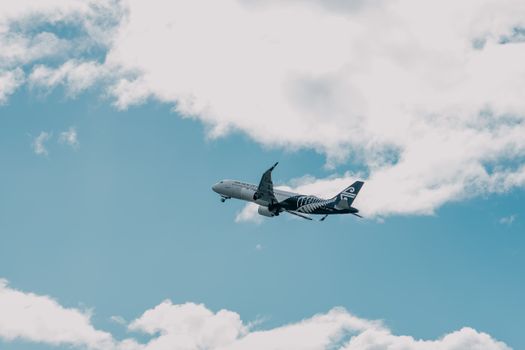
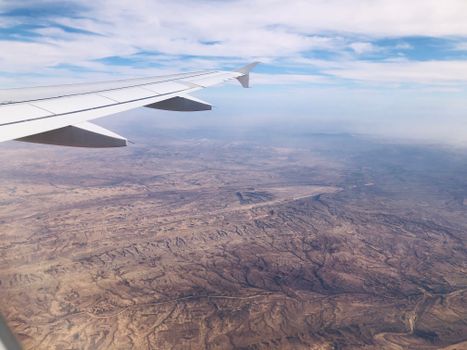
As your dedicated travel insider and SEO guru for Tripsora, I’ve been deep-diving into the aviation world, sniffing out the freshest flight paths that promise to make the inaccessible, accessible. Forget the usual suspects; we’re talking about regions poised to transform from elusive dreams into tangible adventures. Buckle up, because this is your definitive guide to the new airline routes making remote places accessible in February 2026.
The Dawn of Accessible Exploration: Why February 2026 is Your Travel Sweet Spot
February. It’s that sweet spot between the holiday rush and the spring break frenzy. The air is crisp, prices often dip, and crucially, airlines are launching their new schedules. This year, the focus is shifting. Forget the crowded metropolises; the real magic is happening where the Wi-Fi is weak and the stars are impossibly bright. These new routes aren't just about convenience; they're about democratizing access to experiences that were once reserved for the intrepid few. We're talking about cultures untouched by mass tourism, landscapes that will steal your breath, and a profound sense of discovery.
Unveiling the Frontier: Top New Routes and Their Hidden Gems
The whispers have become roars. Several key airline expansions in February 2026 are set to redefine our travel maps. I’ve curated the most compelling, focusing on destinations that offer a potent blend of natural beauty, cultural richness, and that coveted 'off-the-grid' allure.
1. The Sultanate of Oman: Gateway to Arabia's Untamed Beauty
The Buzz:
Oman has long been a jewel in the Arabian Peninsula, but its remoteness has kept many travelers at bay. This February, a significant increase in direct flights from major European hubs (think Lufthansa and Swiss Air) and new connections from select Asian carriers are making it easier than ever to explore its dramatic landscapes.
Why Go Now?
Imagine this: I stood on the edge of the Wahiba Sands, the desert stretching out before me like an endless ocean of ochre. The silence was profound, broken only by the soft sigh of the wind sculpting the dunes. Later, I was sipping cardamom-infused coffee with a Bedouin family in their tent, the scent of frankincense hanging heavy in the air. Oman offers a raw, authentic Arabian experience. From the rugged Hajar Mountains to the pristine coastline dotted with ancient forts and vibrant souks, it’s a feast for the senses.
Pro-Tip:
Don't miss the Wadi Shab trek. Start early, around 7 AM, to beat the heat and the few other hikers. The hidden waterfall and cave pool at the end are pure magic. Look for the nondescript entrance by the parked 4x4s – it’s easy to miss!
Quick Facts: Oman
| Category | Details |
| :--------------- | :-------------------------------------------------------------------------------- |
| Estimated Cost | $150-$300 per day (mid-range, excluding flights) |
| Best Time | October - April (pleasant temperatures) |
| How to Get There | New direct flights from Frankfurt, Zurich, and Singapore to Muscat (MCT). Connecting flights via Dubai (DXB) or Doha (DOH) are also more plentiful. |
| Visa | Visa-on-arrival for many nationalities; check your passport requirements. |
2. The Faroe Islands: Where Dramatic Cliffs Meet Arctic Serenity
The Buzz:
This self-governing archipelago, a part of the Kingdom of Denmark, has always been a photographer’s dream. However, limited flight options made it a challenging destination. In February 2026, Atlantic Airways is launching new direct routes from Reykjavik and a surprisingly convenient connection from Boston, USA, drastically improving accessibility for North American travelers.
Why Go Now?
I remember standing on the cliff edge of Trælanípa, the ‘Slave Cliff,’ with the wind whipping my hair and the sheer drop to the churning Atlantic below. The air was so clean it felt like a tonic, and the sight of puffins (though fewer in February, the dramatic scenery is still paramount) perched precariously on the grassy ledges was unforgettable. The Faroes are an exercise in raw, untamed nature. Think dramatic sea stacks, turf-roofed houses, and a sense of profound isolation that’s incredibly restorative. The local cuisine, heavily influenced by the sea and traditional preservation methods, is a unique culinary adventure.
Pro-Tip:
For the iconic Múlafossur waterfall, visit mid-morning for the best light. The small village of Gásadalur is the only settlement here, and the waterfall cascades directly into the ocean. It's a sight that will imprint itself on your memory.
Quick Facts: Faroe Islands
| Category | Details |
| :--------------- | :-------------------------------------------------------------------------------- |
| Estimated Cost | $200-$400 per day (mid-range, excluding flights) |
| Best Time | May - September for puffins and longer daylight. February offers stark, dramatic beauty and fewer crowds. |
| How to Get There | New direct flights from Reykjavik (KEF) to Vágar (FAE). New direct flights from Boston (BOS) to Vágar (FAE). |
| Visa | Schengen Area; no visa required for many nationalities. |
3. Kyrgyzstan: Unlocking the Heart of Central Asia's Silk Road
The Buzz:
Kyrgyzstan, often called the "Switzerland of Central Asia," is a landlocked marvel of towering peaks, alpine lakes, and nomadic traditions. While previously requiring multiple layovers, February 2026 sees the introduction of direct flights from Istanbul by Turkish Airlines and a new route from Seoul by Korean Air. This opens up a world of adventure for both European and Asian travelers.
Why Go Now?
The scent of fermented mare’s milk (kumis) was pungent, yet oddly inviting, as I sat in a yurt, the felt walls insulating us from the biting mountain air. Outside, the snow-dusted Tien Shan mountains rose majestically, their peaks piercing the impossibly blue sky. Kyrgyzstan offers an unparalleled glimpse into Silk Road history and nomadic culture. Trekking through pristine valleys, staying in traditional yurts, and experiencing the warmth of Kyrgyz hospitality are experiences that resonate deeply.
Pro-Tip:
For the best Issyk-Kul Lake views in winter, head to the southern shore near Bokonbaevo. The snow-capped mountains reflected in the frozen or partially frozen lake are breathtaking. The local eagle hunters often offer demonstrations here – a truly unique cultural immersion.
Quick Facts: Kyrgyzstan
| Category | Details |
| :--------------- | :-------------------------------------------------------------------------------- |
| Estimated Cost | $70-$150 per day (budget to mid-range, excluding flights) |
| Best Time | June - September for trekking. February offers a starkly beautiful winter landscape for those seeking solitude and unique photography. |
| How to Get There | New direct flights from Istanbul (IST) to Bishkek (FRU). New direct flights from Seoul (ICN) to Bishkek (FRU). |
| Visa | Visa-free for many nationalities for up to 60 days. |
4. Colombia's Pacific Coast: Beyond the Beaches to Biodiversity Hotspots
The Buzz:
While Colombia’s Caribbean coast is well-trodden, its Pacific coast remains a largely undiscovered frontier of incredible biodiversity and Afro-Colombian culture. Copa Airlines is launching new direct routes from Panama City to Bahía Solano, a key gateway to this region.
Why Go Now?
The air was thick with humidity and the cacophony of the jungle – the screech of monkeys, the buzz of unseen insects, the rustle of leaves. I was on a dugout canoe, gliding down a narrow river, the emerald canopy closing in above me, searching for humpback whales. Colombia's Pacific coast is a nature lover's paradise. Think lush rainforests teeming with wildlife, pristine beaches, and some of the best whale watching in the world (though February is at the tail end of the season, it's still possible). The vibrant Afro-Colombian culture, with its unique music and dance, is incredibly rich and welcoming.
Pro-Tip:
To experience the whale watching in its prime (July-October), you'd need to adjust your dates. However, February offers excellent opportunities for birdwatching and spotting other marine life like dolphins. For the best jungle immersion, hire a local guide from Nuquí or Bahía Solano – they know the hidden trails and the best spots for spotting sloths and toucans.
Quick Facts: Colombia's Pacific Coast
| Category | Details |
| :--------------- | :-------------------------------------------------------------------------------- |
| Estimated Cost | $100-$200 per day (mid-range, excluding flights) |
| Best Time | July - October for whale watching. February is great for jungle exploration and experiencing local festivals. |
| How to Get There | New direct flights from Panama City (PTY) to Bahía Solano (BSL). From Bahía Solano, local flights or boat transfers are needed for other coastal towns. |
| Visa | Visa-free for many nationalities for up to 90 days. |
Navigating the New Routes: Pro-Tips for the Savvy Traveler
These new routes are your golden ticket, but a little insider knowledge goes a long way.
- Book Early, Fly Smart: For February 2026, start looking at flights now. New routes can fill up fast, and early booking often secures better prices. Use flight comparison sites, but also check the airlines' direct websites for potential launch promotions.
- Embrace the Local Connection: Don’t just fly in and out. These remote destinations thrive on local economies. Opt for locally-owned guesthouses, eat at small family-run restaurants, and hire local guides. It’s not just ethical; it’s where the real experiences lie.
- Pack for Adventure, Not Just Comfort: Think layers. Remote locations can have unpredictable weather. Waterproof gear, sturdy walking shoes, and insect repellent are non-negotiable. For Oman, light, breathable fabrics are key. For the Faroes, a good windproof jacket is essential.
- Connectivity is Optional: Prepare to disconnect. While some places might have Wi-Fi, it's often slow and unreliable. Embrace the digital detox. It’s part of the charm of visiting truly remote places.
- Respect the Culture: This is paramount. Learn a few basic phrases in the local language. Dress modestly, especially when visiting religious sites. Always ask permission before taking photos of people.
The Budget & Logistics Breakdown
Travel is an investment, not just an expense.
While these destinations are becoming more accessible, they still require thoughtful planning.
- Flight Costs: Expect new route launch prices to range from $600-$1200 round trip from major hubs, depending on the destination and origin. Book strategically!
- Accommodation: From charming guesthouses ($50-$150/night) to unique yurt stays ($30-$80/night), options vary. Luxury lodges are also emerging in some of these regions.
- Daily Expenses: Food, local transport, and activities can range from $70-$300 per day, depending on your travel style and the destination.
- Best Time to Visit (Beyond February): While February offers unique advantages for these specific routes, each destination has its peak season for different reasons. Research this for your chosen spot!
Your Next Unforgettable Chapter Awaits
February 2026 isn't just another month on the calendar; it's a turning point in how we access the world's hidden corners. These new airline routes are more than just flight paths; they are invitations. Invitations to step off the beaten track, to immerse yourself in cultures that have remained beautifully preserved, and to witness landscapes that will redefine your understanding of beauty.
I’ve shared my insider knowledge, my firsthand experiences, and the practical tips you need to make these journeys a reality. The world is opening up in new and exciting ways. The only question that remains is: where will you go first?