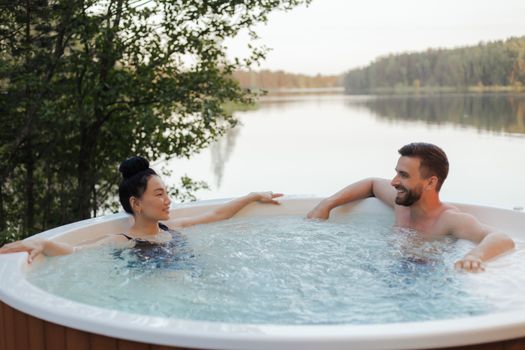
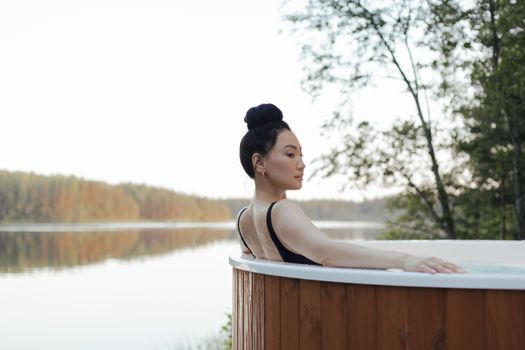
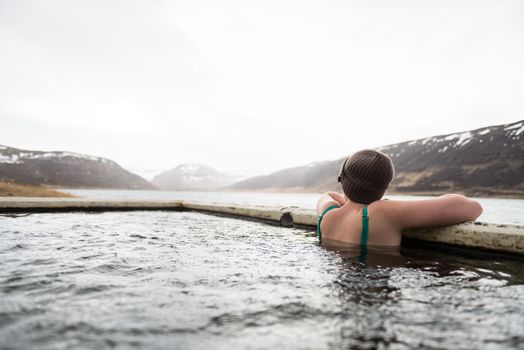
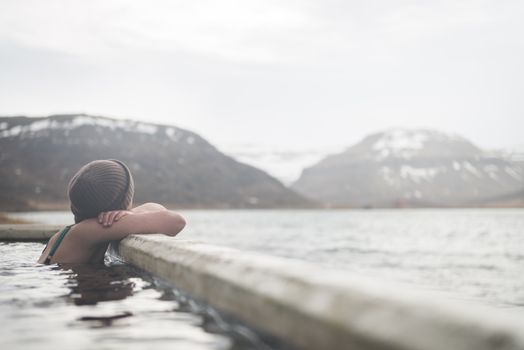
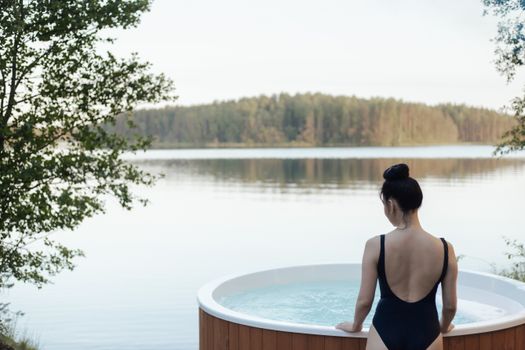
The Hook: A Whisper of Sulphur and Serenity
I stepped off the train in a small, almost forgotten Austrian village, the air crisp with the scent of pine and something else… a faint, earthy whisper of sulphur. It was a scent that promised ancient healing, a primal connection to the earth’s fiery core. The locals, their faces etched with a quiet contentment, spoke of the thermal waters with a reverence usually reserved for sacred sites. This wasn't just a spa; it was a portal to pure, unadulterated relaxation, a perfect antidote to the relentless hum of modern life, and the ideal destination for a quick, soul-recharging getaway.
Why Natural Hot Springs? More Than Just a Dip
Forget sterile hotel pools and overpriced spa treatments. Natural hot springs offer an experience that’s raw, authentic, and profoundly restorative. They’re Mother Nature’s own wellness centers, bubbling up from deep within the earth, infused with minerals that have been lauded for centuries for their therapeutic properties. For a quick getaway, they’re the ultimate indulgence: accessible, often surprisingly affordable, and guaranteed to leave you feeling utterly renewed.
The Mineral Magic: What's Really in the Water?
The magic lies in the minerals. Depending on the geological makeup of the region, hot springs can be rich in:
- Sulphur: Known for its anti-inflammatory and skin-healing properties (hello, clearer complexion!).
- Magnesium: Helps to relax muscles, ease stress, and improve sleep.
- Calcium: Essential for bone health and can soothe aches and pains.
- Silica: Great for skin elasticity and hair health.
Soaking in these mineral-rich waters isn't just about warmth; it's a holistic treatment for your body and mind.
Unveiling the Gems: Natural Hot Springs Worth Your Weekend
The world is dotted with incredible natural hot springs, each with its own unique charm. For a quick getaway, we’re focusing on those that offer an exceptional experience without requiring weeks of travel.
1. The Blue Lagoon, Iceland: An Otherworldly Oasis
Yes, it’s famous, and yes, it can be busy, but the Blue Lagoon is an iconic experience for a reason. The milky-blue, silica-rich waters set against a stark, volcanic landscape are simply breathtaking.
- The Vibe: Futuristic spa meets raw Icelandic nature. The steam rising from the vibrant blue water creates an ethereal atmosphere.
- Insider Scoop: Pro-Tip: Book your tickets well in advance, especially for peak times. Visit during the shoulder seasons (spring or autumn) for fewer crowds and potentially the Northern Lights. Don't forget to slather on the complimentary silica mud mask – it’s pure skin gold!
- Authenticity: While it's a managed facility, the water is entirely natural geothermal seawater, rich in minerals. The surrounding lava fields are a constant reminder of the powerful earth beneath.
- Quick Facts:
- Estimated Costs ($$): Moderate to High (entry packages vary, starting around $60-80 USD). Food and drinks are extra.
- Best Time to Visit: Year-round, but autumn and winter offer the chance to see the Northern Lights.
- How to Get There: Fly into Keflavík International Airport (KEF). The Blue Lagoon is about a 20-minute drive from the airport, or a 45-minute drive from Reykjavík. Shuttle services are readily available.
2. Széchenyi Thermal Baths, Budapest, Hungary: A Grand Imperial Soak
Budapest is rightfully known as the "City of Baths," and Széchenyi is its undisputed king. This colossal complex, with its stunning Neo-Baroque architecture, feels like stepping back in time to a more opulent era.
- The Vibe: Grand, social, and invigorating. Imagine soaking in massive outdoor pools, steam swirling around you, while locals play chess in the water – yes, it’s a thing!
- Insider Scoop: Pro-Tip: The outdoor pools are open year-round, even in winter, which is a truly unique and magical experience. For a more tranquil soak, explore the indoor thermal halls. The hidden entrance for the more exclusive spa treatments is often overlooked behind the main ticket hall.
- Authenticity: Fed by two natural thermal springs, the water here is rich in calcium, magnesium, and bicarbonate. The architecture itself is a testament to Budapest's historical relationship with its thermal waters.
- Quick Facts:
- Estimated Costs ($): Budget-friendly (entry around $20-30 USD).
- Best Time to Visit: Year-round. Winter offers a dramatic contrast between the hot water and the cold air.
- How to Get There: Fly into Budapest Ferenc Liszt International Airport (BUD). Széchenyi Baths is easily accessible via public transport (metro line M1 to Széchenyi fürdő station).
3. Pamukkale, Turkey: Cotton Castle of Calcite
"Pamukkale" translates to "cotton castle," and the sight of its cascading white terraces, formed by mineral-rich thermal waters, is truly surreal. The water, high in calcium carbonate, has deposited over centuries to create these stunning natural pools.
- The Vibe: Ancient wonder meets natural spa. You can wade through the shallow pools, feeling the warm water flow over the smooth travertine.
- Insider Scoop: Pro-Tip: Arrive early to beat the tour groups and experience the terraces in the soft morning light. Wear non-slip shoes as the travertine can be slippery. The best viewpoint for photos is from the ancient Hierapolis theatre above.
- Authenticity: These are entirely natural formations created by geothermal activity. The surrounding ancient city of Hierapolis adds a layer of historical depth.
- Quick Facts:
- Estimated Costs ($): Budget-friendly (entry fee around $15-20 USD).
- Best Time to Visit: Spring and autumn offer pleasant temperatures. Summer can be very hot.
- How to Get There: Fly into Denizli Çardak Airport (DNZ). Pamukkale is about a 1-hour drive from Denizli. Buses are also available from major Turkish cities.
4. Glenwood Hot Springs, Colorado, USA: The Longest Hot Springs Pool
For a taste of the American West with a serious dose of relaxation, Glenwood Hot Springs is a must. Home to the world's largest natural hot springs pool, it's a family-friendly destination with a relaxed, adventurous spirit.
- The Vibe: Classic American resort meets natural wonder. Think wide-open spaces, mountain views, and the soothing embrace of naturally heated water.
- Insider Scoop: Pro-Tip: The pool is divided into a hot section (104°F/40°C) and a cooler section (90°F/32°C), so you can choose your comfort level. For a truly unique experience, try the Sopris Splash Zone, a separate water park with slides, but make sure to book tickets for the main pool separately if you just want to soak.
- Authenticity: The mineral-rich water comes from a natural spring that produces over 3 million gallons of water per day. The surrounding Rocky Mountains provide a stunning, natural backdrop.
- Quick Facts:
- Estimated Costs ($$): Moderate (day passes around $30-40 USD). Lodging packages are available.
- Best Time to Visit: Year-round. Summer is popular for families, while winter offers a cozy escape.
- How to Get There: Fly into Aspen/Pitkin County Airport (ASE) or Eagle County Regional Airport (EGE) and rent a car (approx. 1-hour drive). Denver International Airport (DEN) is a longer drive (approx. 3 hours). Glenwood Springs is also accessible by Amtrak train.
5. Kinosaki Onsen, Japan: A Traditional Ryokan & Hot Spring Town
Immerse yourself in a truly Japanese experience at Kinosaki Onsen. This charming town is famous for its seven public hot spring bathhouses (sotoyu), each with its own unique character and healing properties.
- The Vibe: Quintessential Japan. Picture willow-lined canals, traditional wooden ryokan inns, and the gentle click-clack of geta (wooden sandals) as visitors stroll between baths in their yukata (cotton robes).
- Insider Scoop: Pro-Tip: Staying at a ryokan is highly recommended. They often include access to their private onsen and provide delicious kaiseki (multi-course) dinners. The "Yumeguri-cho" (onsen-hopping ticket) is your golden ticket to experience all seven public baths. Don't be shy about the onsen etiquette – embrace the ritual!
- Authenticity: Kinosaki Onsen has a history stretching back over 1,300 years, and the town has preserved its traditional atmosphere. The hot springs are naturally heated and rich in chloride and radium.
- Quick Facts:
- Estimated Costs ($$-$$$): Moderate to High (ryokan stays can be pricey, but offer excellent value). Public bath entry is very affordable.
- Best Time to Visit: Spring (cherry blossoms) and autumn (fall foliage) are stunning. Winter offers a serene, snow-covered landscape.
- How to Get There: Fly into Kansai International Airport (KIX) near Osaka. Take the Limited Express train directly to Kinosaki Onsen Station (approx. 2.5-3 hours).
6. The Baths of Caracalla, Rome, Italy (Historical Ruins)
While not an active soaking spot, the ruins of the Baths of Caracalla offer a unique and evocative glimpse into the grandeur of ancient Roman thermal culture. Imagine the scale of these public bathing complexes, which were more than just places to get clean – they were social hubs.
- The Vibe: Historical immersion and architectural awe. Walking through the colossal remains, you can almost hear the echoes of ancient Romans discussing politics and philosophy.
- Insider Scoop: Pro-Tip: Visit during a special evening event if available, where the ruins are illuminated and sometimes host concerts or performances. Look for the detailed mosaic floor remnants – they hint at the incredible artistry of the era.
- Authenticity: These are the actual, awe-inspiring ruins of a massive ancient Roman bath complex. It’s a tangible connection to a time when thermal waters were central to daily life.
- Quick Facts:
- Estimated Costs ($): Very Budget-friendly (entry fee around $10-15 USD).
- Best Time to Visit: Spring and autumn for pleasant walking weather.
- How to Get There: Fly into Rome Fiumicino Airport (FCO) or Ciampino Airport (CIA). The Baths of Caracalla are easily accessible by metro (Circo Massimo station) or bus.
Planning Your Quick Getaway: Logistics & Budget
The beauty of these natural hot springs for quick getaways is their relative accessibility. Here's a general guide to help you plan:
| Destination | Estimated Costs | Best Time to Visit | How to Get There (Primary Airport) |
| :-------------------------- | :-------------- | :------------------------ | :--------------------------------- |
| Blue Lagoon, Iceland | $$-$$$ | Year-round (shoulder best) | KEF (Keflavík) |
| Széchenyi Baths, Budapest | $ | Year-round | BUD (Budapest) |
| Pamukkale, Turkey | $ | Spring/Autumn | DNZ (Denizli) |
| Glenwood Hot Springs, CO, USA | $$ | Year-round | ASE (Aspen) / EGE (Eagle) / DEN (Denver) |
| Kinosaki Onsen, Japan | $$-$$$ | Spring/Autumn/Winter | KIX (Osaka) |
| Baths of Caracalla, Rome | $ | Spring/Autumn | FCO (Rome) |
Note:
Costs are estimates and can vary significantly based on travel dates, accommodation choices, and personal spending habits. "Best time to visit" considers both weather and crowd levels.
Packing Essentials for Your Hot Spring Escape
- Swimsuit: Obvious, but essential!
- Towel: Some locations provide them, but having your own is always wise.
- Flip-flops or Water Shoes: For navigating around the pools and changing areas.
- Waterproof Bag: To keep your essentials dry.
- Sunscreen & Hat: Even on cloudy days, you can get sun exposure.
- Reusable Water Bottle: Stay hydrated!
- Comfortable Walking Shoes: For exploring the surrounding areas.
- Book or Journal: For ultimate relaxation.
The Takeaway: Your Instant Recharge Awaits
These natural hot springs aren't just destinations; they're invitations. Invitations to slow down, to reconnect with nature, and to treat yourself to the purest form of relaxation. For a quick getaway, they offer an unparalleled escape from the everyday, a chance to soak away your stresses and emerge feeling refreshed, revitalized, and ready to take on the world. So, what are you waiting for? Your next unforgettable soak is just a weekend away.
---