The Dawn of Hyper-Inclusive Wilderness
I stepped off the shuttle at Yavapai Point, and the first thing that hit me wasn't the view—it was the smell. The dry, sweet scent of sun-baked pinyon pine and parched limestone rose from the canyon floor on a warm thermal draft. But as I stood there, I wasn't just looking at the vast chasm of the Grand Canyon; I was watching a young boy who was blind run his hands over a massive, intricately detailed bronze relief map of the canyon walls. His face lit up as his fingers traced the deep gouge of the Colorado River.
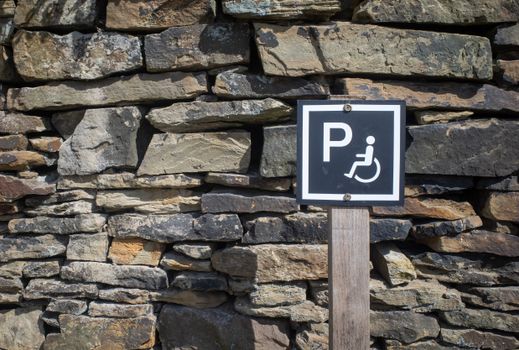
For decades, "accessible travel" in our national parks meant a flat, hot asphalt loop and a designated parking space. It was a check-the-box exercise in compliance.
But this summer, something beautiful is trending. A handful of forward-thinking national parks are rewriting the rulebook, designing experiences that engage all five senses, break down physical barriers, and prove that the wild belongs to absolutely everyone. From the rugged peaks of the Rockies to the granite shores of Maine, these parks are offering experiences that go far beyond the bare minimum.
---
1. Rocky Mountain National Park, Colorado
### Where Rugged Peaks Meet All-Terrain Freedom
If you think alpine lakes and jagged ridges are off-limits to those with mobility challenges, Rocky Mountain National Park is here to prove you wrong. This summer, the park is trending for its revolutionary approach to high-altitude access, combining cutting-edge adaptive gear with thoughtfully engineered trails.
```
[ Sprague Lake Trail ]
|
+------------------+------------------+
| |
[Hard-Packed Gravel] [Accessible Fishing Piers]
(No-slip surface, 0.5% grade) (Lowered railings, built-in rod holders)
```
The Beyond-ADA Experience
The crown jewel of accessibility here is Sprague Lake. While many parks offer flat paths, Rocky Mountain provides a pristine, 0.5-mile packed-gravel loop with virtually no elevation change, completely free of the jarring bumps common to asphalt. The park has installed custom-designed, accessible fishing piers with lowered railings and built-in rod holders, allowing anglers of all abilities to cast for brook trout against the backdrop of the Continental Divide.
But the real game-changer is the availability of Action Trackchairs—rugged, motorized all-terrain wheelchairs that use tank-like tracks instead of wheels. Available for reservation through local partners and park-approved outfitters, these machines allow users to navigate dirt, mud, and rocky inclines that would stop a standard wheelchair cold.
- The Vibe: Crisp mountain air, the scent of ponderosa pine needles warming in the sun, and the rushing sound of glacier-fed creeks.
- Pro-Tip: Do not try to park at Sprague Lake after 8:00 AM. Instead, park at the park-and-ride lot and board the wheelchair-accessible Bear Lake Shuttle. The drivers are master-certified in securing mobility devices quickly and safely.
---
2. Acadia National Park, Maine
### Ocean Breezes, Historic Carriage Roads, and Sensory Tide Pools
Acadia is a sensory masterpiece where the coniferous forest crashes directly into the Atlantic Ocean. It is trending this summer due to its seamless integration of historic preservation and modern inclusive design.
```
[ Acadia National Park ]
|
+---------------------+---------------------+
| |
[The Carriage Roads] [The Jesup Path]
(45 miles of crushed stone, gentle grades) (Flush-deck boardwalk, tactile handrails)
```
The Beyond-ADA Experience
John D. Rockefeller Jr. originally designed Acadia’s Carriage Roads for horse-drawn carriages, inadvertently creating the ultimate accessible trail network. These 45 miles of sweeping, motor-free roads feature a crushed-stone surface that is exceptionally easy to navigate.
For a more intimate forest experience, head to the Jesup Path. This isn't just a boardwalk; it’s a sensory-rich journey through a sweet birch and white transition forest. The boardwalk is flush with the surrounding soil, eliminating drop-offs, and features tactile handrails that change texture to indicate seating areas or interpretive displays.
Down at the water, the park offers sensory-integrated tide-pooling programs at Ship Harbor. Rangers use specialized, portable touch tanks so visitors who cannot scramble over slippery, seaweed-draped granite boulders can still touch sea stars and green sea urchins.
- The Vibe: The brine of the salt marsh mixing with sweet birch, the soft clicking of bicycle freewheels in the distance, and the cool touch of damp moss.
- Pro-Tip: Skip the crowded summit of Cadillac Mountain. For an equally stunning—and far more accessible—coastal view, head to the Schoodic Peninsula section of the park. The 6-mile, one-way loop road has paved pullouts with accessible spotting scopes designed at varying heights.
---
3. Shenandoah National Park, Virginia
### The Sensory Pioneer of the Blue Ridge
Spanning the crest of the Blue Ridge Mountains, Shenandoah National Park is famous for its misty vistas and dense hardwood forests. It has become a viral sensation among inclusive travel communities thanks to its dedicated sensory trail design.
```
[ Limberlost Trail ]
|
+------------------+------------------+
| |
[Tactile Guide Ropes] [Braille & Audio Interpretives]
(For visually impaired hikers) (Solar-powered audio posts, high-contrast text)
```
The Beyond-ADA Experience
The Limberlost Trail is legendary. Long before other parks considered sensory design, Shenandoah created this 1.3-mile loop specifically for visitors with physical, visual, and cognitive disabilities.
Instead of harsh concrete, the trail is surfaced with a specialized greenstone decay material that is highly compacted, slip-resistant, and blends beautifully into the environment. The trail features a continuous, tactile guide rope for visually impaired hikers, frequent rest benches carved from local columnar basalt, and solar-powered audio interpretive posts that describe the surrounding forest canopy.
Furthermore, Shenandoah has partnered with EnChroma to provide color-blind visitors with specialized glasses at the Dickey Ridge and Byrd Visitor Centers. These glasses allow visitors with red-green color blindness to experience the vibrant, multi-layered green hues of the Shenandoah Valley for the very first time.
- The Vibe: The rich, damp smell of decaying leaf mold, the flute-like song of the wood thrush, and the cool touch of ancient greenstone.
- Pro-Tip: The best accessible picnic spot is at Lewis Mountain. It’s quieter than Big Meadows, features accessible grills with swing-away grates, and has fully renovated, ADA-compliant historic stone cabins if you want to stay overnight.
---
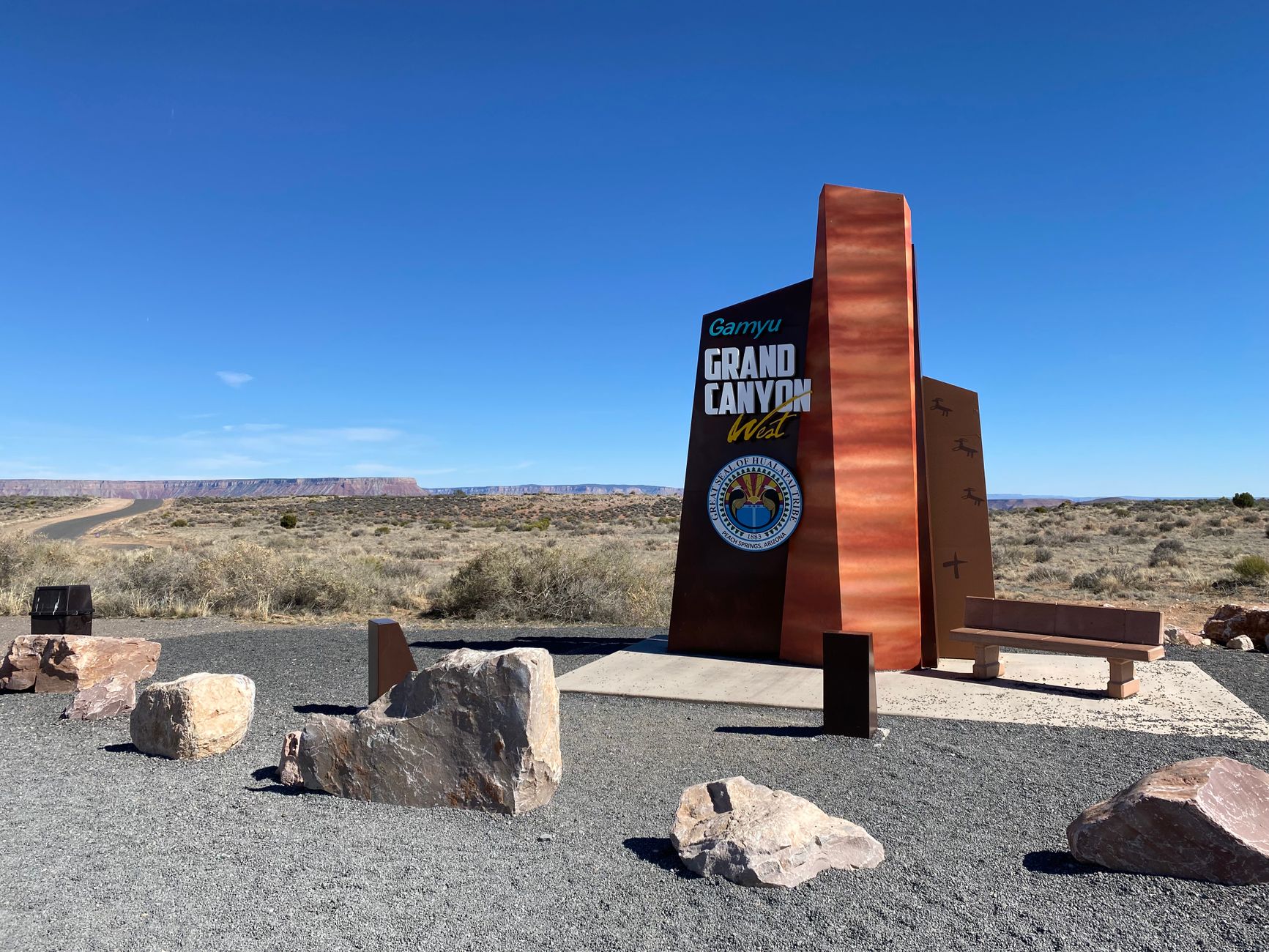
4. Grand Canyon National Park, Arizona
### Tactile Vistas and Barrier-Free Rim Wandering
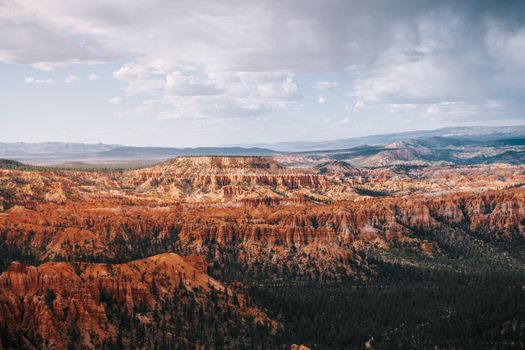
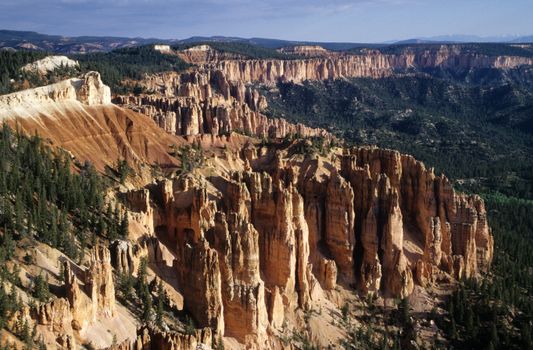
The Grand Canyon is vast, intimidating, and seemingly vertical. Yet, it boasts some of the most sophisticated, beyond-requirement accessibility infrastructure in the entire national park system.
```
[ Grand Canyon Rim Trail ]
|
+---------------------+---------------------+
| |
[The Yavapai Geology Museum] [The Hermit Road Shuttle]
(Tactile bronze maps, audio tours) (Closed to cars, fully accessible buses)
```
The Beyond-ADA Experience
Most visitors stick to the paved Rim Trail, but the real magic lies in how the park translates visual majesty into tactile and auditory experiences. At the Yavapai Geology Museum, the park features highly detailed, touchable bronze relief models of the canyon's topography. Visitors can feel the staggering depth of the Inner Gorge and trace the paths of the canyon's side tributaries.
The park also offers a comprehensive, free Audio-Described Tour of the entire South Rim. Visitors can download the official NPS app, which features professionally narrated descriptions of the geology, human history, and changing light of the canyon, synchronized with specific GPS coordinates along the rim.
- The Vibe: The dry whisper of the desert wind, the distant croak of a raven, and the warm, radiating heat of ancient sandstone.
- Pro-Tip: Take the Hermit Road shuttle loop. This road is closed to private vehicles for most of the year, but visitors with temporary or permanent mobility challenges can request an "Accessibility Permit" at any visitor center. This permit allows you to drive your own vehicle along this scenic, less-crowded rim drive, parking in specially reserved spaces right at the edge of the overlooks.
---
5. Great Smoky Mountains National Park, Tennessee/North Carolina
### Deep Woods Access and Color-Corrected Canopies
As America’s most visited national park, the Smokies can feel overwhelming. However, the park has made massive strides in creating quiet, deeply immersive, and highly accessible sanctuaries away from the crowds.
```
[ Sugarlands Valley Trail ]
|
+------------------+------------------+
| |
[All-Access River Trail] [EnChroma Viewfinders]
(Level concrete, river-view bumpouts) (Installed at scenic overlooks)
```
The Beyond-ADA Experience
The Sugarlands Valley All-Access Trail is a masterclass in inclusive design. This 0.5-mile concrete loop winds through a second-growth forest, hugging the banks of the rushing West Prong of the Little Pigeon River. It features level, wider-than-required pathways with gentle turnouts that allow two wheelchair users to pass each other comfortably—a detail often overlooked in standard trail construction.
To combat the visual limitations of color blindness, the park has installed specialized EnChroma viewfinders at key overlooks, including Clingmans Dome (Kuwohi) and scenic spots along the Newfound Gap Road. These viewfinders allow visitors to see the famous "blue mist" of the Smokies and the brilliant summer wildflowers in their true, saturated colors.
- The Vibe: The roar of rushing river water, the sweet scent of wild mountain laurel, and the cool, humid mist rising from the valley floor.
- Pro-Tip: For a crowd-free experience, visit the Sugarlands Valley Trail at 7:30 AM. The morning fog clings to the river, the songbirds are at their peak, and you will likely have the entire paved loop to yourself.
---
The Budget & Logistics: Planning Your Trip
Planning an accessible national park road trip requires precise logistics. Here is a breakdown of costs, transit, and timing to help you plan your summer escape.
| National Park | Best Time to Visit | Estimated Daily Cost ($) | Key Transit/Logistics |
| :--- | :--- | :--- | :--- |
| Rocky Mountain | July – September | $150 – $250 | Take the Bear Lake Shuttle; reserve Action Trackchairs 2 weeks in advance. |
| Acadia | June – August | $180 – $300 | Use the free, accessible Island Explorer bus system to bypass parking hassles. |
| Shenandoah | June – October | $120 – $200 | Skyline Drive is highly vehicle-friendly; pick up EnChroma glasses at Dickey Ridge. |
| Grand Canyon | September – October | $200 – $350 | Obtain an Accessibility Permit at the entrance gate for private vehicle access to Hermit Road. |
| Great Smoky Mountains | June – September | $110 – $190 | No entrance fee, but a parking tag is required ($5/day). Sugarlands Valley has dedicated accessible parking. |
The Golden Ticket: The Access Pass
If you or a travel companion has a permanent disability, do not pay for a standard park pass. The Interagency Access Pass is a free, lifetime pass available to US citizens or permanent residents with permanent disabilities. It grants free entry to more than 2,000 federal recreation sites, including all national parks, and often provides a 50% discount on expanded amenity fees like camping, guided tours, and boat launches. You can obtain it in person at any federal recreation site or apply online via the USGS Store for a small processing fee.
---
Beyond the Pavement: A Final Thought
The true measure of a park's accessibility isn't found in the slope of a ramp or the height of a toilet grab bar. It is found in the dignity of the experience. It is found when a traveler can sit at the edge of a roaring mountain river, smell the damp cedar, and feel the spray on their face without having to struggle against an unyielding landscape.
This summer, as you plan your adventures, look beyond the standard requirements. Seek out the parks that have invested in tactile maps, adaptive gear, and sensory trails. The wild is calling, and it is finally speaking a language we can all understand.
---