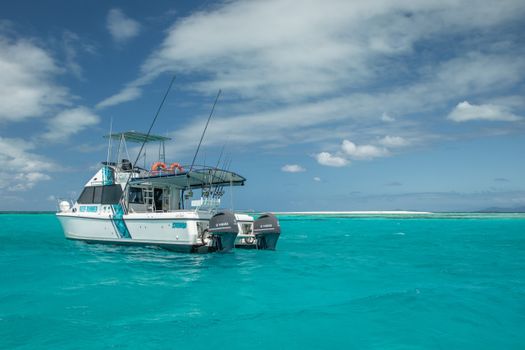
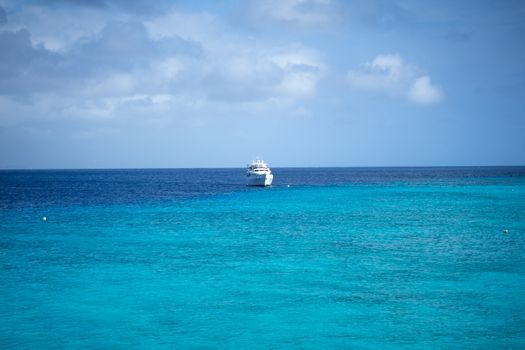
The salt spray kissed my face, the sun warmed my skin, and the only sound was the gentle lapping of waves against our hull. Ahead, a hazy silhouette emerged from the turquoise expanse – an island, utterly wild, untouched, and utterly mine for the day. No ferry schedule, no bustling pier, no tour groups. Just us, the sea, and the promise of discovery. This isn't a scene from a movie; it's the raw, intoxicating reality of exploring islands that surrender their beauty only to those who arrive by private boat.
In an age where every corner of the globe seems Instagrammed into oblivion, the true adventurer yearns for the undiscovered. For the feeling of genuine pioneering. For that fleeting moment of pristine beauty before the world catches on. These aren't just destinations; they're experiences, a testament to the fact that some of the greatest treasures still require a little effort, a little ingenuity, and a lot of passion to unearth.
Welcome, fellow wanderers, to the ultimate guide to charting your own course to paradise.
The Siren Call of the Uncharted: Why Private Boat is Your Only Ticket
Why private boat, you ask? Because some places are simply too precious, too remote, or too delicate for mass tourism. Commercial ferries don't run to uninhabited islets, and cruise ships certainly don't navigate through intricate coral gardens to drop you off on a deserted sandbank. A private boat isn't just a mode of transport; it's your personal portal to exclusivity, freedom, and an unparalleled connection with nature.
It’s about waking up to the sunrise over an anchorage you share with no one but the seabirds, diving into waters where the marine life hasn't learned to fear humans, and exploring ancient ruins that whisper stories only you can hear. It's the ultimate escape from the ordinary, a chance to curate your adventure, set your own pace, and truly disconnect. And trust me, the bragging rights are just a bonus.
1. Keros & The Lesser Cyclades: Greece's Ancient Secret
My Moment:
I remember sailing into the bay of Keros, the air thick with the scent of wild thyme and sun-baked earth. This small, uninhabited island in the Aegean, nestled between Naxos and Amorgos, is a protected archaeological site, believed by many to be the birthplace of Cycladic civilization. We anchored in a secluded cove, the water so impossibly clear it felt like we were floating on air. Snorkeling revealed ancient pottery shards scattered on the seabed, a silent testament to millennia of history. It was like swimming through a museum without walls.
The Allure:
While the Cyclades are famous for Mykonos and Santorini, Keros and its tiny neighbors like Ano Koufonisi, Kato Koufonisi, and Schoinousa offer a glimpse into a Greece that time forgot. Keros itself is off-limits to land exploration without special permits, but its surrounding waters and hidden beaches are pure magic. The nearby islets boast incredible sea caves, deserted coves, and a tranquility that's increasingly rare. Imagine a beach with not a single sunbed or umbrella, just the soft sand and the sound of the waves.
How to Get There:
Your best bet is to charter a yacht from Naxos or Amorgos. A skippered catamaran or sailboat charter for a week in the Cyclades can start from €3,000-€5,000 in shoulder season (May/June, Sept/Oct), excluding fuel and provisions. Bareboat charters (if you have the license) are cheaper, starting around €2,000-€3,500. Day trips are possible but limit your exploration severely. Book through reputable local charter companies like Kiriacoulis or Istion Yachting.
Tripsora Tip:
Pack a good pair of binoculars for birdwatching and an underwater camera. The marine life and the subtle ancient relics visible from the surface are astounding.
2. Raja Ampat's Untouched Karsts: Indonesia's Biodiversity Hotspot
My Moment:
Diving off a tiny, nameless limestone island in Raja Ampat felt like entering another dimension. The coral gardens below were a kaleidoscope of color and life, teeming with iridescent parrotfish, majestic manta rays, and schools of barracuda swirling like silver tornadoes. Above water, the karst formations loomed, covered in emerald jungle, their hidden lagoons beckoning. We kayaked through one such lagoon, the silence broken only by the dip of our paddles and the calls of unseen birds. It was primal, powerful, and utterly unforgettable.
The Allure:
Raja Ampat, often called the "Amazon of the Seas," is already famous for its unparalleled biodiversity. But beyond the main islands like Waigeo and Misool lie thousands of smaller, often unnamed, limestone karsts and islets. Many are uninhabited, their sheer cliffs plunging into vibrant reefs, their interiors hiding secret saltwater lakes and ancient cave paintings. These are places where you genuinely feel like one of the first humans to witness such pristine beauty. The sheer scale of marine life is staggering, making it a diver's and snorkeler's dream.
How to Get There:
You must come by liveaboard boat. Flights typically go to Sorong (SOQ) in West Papua. From Sorong, you'll board your liveaboard. A week-long liveaboard trip in Raja Ampat can range from $2,000 for budget options to $5,000-$10,000+ for luxury yachts, per person. These usually include diving, meals, and transfers. Ensure your boat has permits for the Marine Protected Area (MAP). The Raja Ampat Marine Park Fee (PIN) is currently 1,000,000 IDR (approx. $70 USD) and is valid for one year.
Tripsora Tip:
Opt for a dive boat that also offers kayaking or paddleboarding to explore the lagoons and hidden coves of the smaller islands. Bring reef-safe sunscreen and a wide-angle lens for underwater photography.
3. The Tuamotus' Remote Atolls: French Polynesia's Raw Beauty
My Moment:
Anchored off a remote motu (small islet) in the Tuamotus, the stars were so bright they felt close enough to touch. The only light pollution was the distant glow of our own boat. Earlier, we'd spent the day walking on a pink sand beach, collecting shells, and swimming in a lagoon so impossibly blue it hurt your eyes. The local family we met on a neighboring inhabited atoll, Fakarava, shared fresh coconut water and stories of their life intertwined with the ocean. It was a humbling reminder of nature's power and human resilience.
The Allure:
While Bora Bora and Tahiti capture the headlines, the Tuamotu Archipelago is French Polynesia's true wild heart. A chain of 77 low-lying coral atolls, many of them uninhabited, they offer a stark, breathtaking beauty. Think endless turquoise lagoons, untouched coral gardens, and a profound sense of isolation. Beyond popular Fakarava and Rangiroa, atolls like Kauehi, Aratika, or even some of the truly tiny, nameless motus within the larger atolls, offer unparalleled privacy and natural splendor. The diving and snorkeling here, particularly drift dives through the passes, are world-class.
How to Get There:
The most common way is to charter a sailing yacht from Tahiti, mooring in one of the more accessible atolls like Rangiroa or Fakarava, and then venturing further afield. Alternatively, some private yacht charters operate directly from these larger atolls. A week-long skippered catamaran charter in French Polynesia can start from €7,000-€12,000+, depending on the season and luxury level. Bareboat charters are less common but available for experienced sailors, starting around €4,000-€7,000. Provisions and fuel are extra.
Tripsora Tip:
Pack light, but don't forget a wide-brimmed hat, polarized sunglasses, and a good quality snorkel set. The sun is intense, and the underwater visibility is incredible. Learn a few basic French phrases – it goes a long way with the locals.
4. Scotland's Wild Outposts: St. Kilda & The Shiants
My Moment:
The mist hung heavy as we approached the dramatic cliffs of St. Kilda, an archipelago so remote it feels like the edge of the world. The air was alive with the cries of thousands of seabirds – gannets, puffins, fulmars. Stepping ashore on Hirta, the main island, I walked among the ghostly remains of a village, evacuated in 1930. The silence was profound, broken only by the wind and waves. It was a stark, powerful beauty, a testament to human perseverance and nature's raw majesty. Later, we sailed to the Shiants, a smaller, equally wild group of islands, watching seals bask on the rocks.
The Allure:
Forget tropical beaches; some of the most mysterious and untouched islands lie in the wild North Atlantic. St. Kilda, a UNESCO World Heritage Site, is the UK's only dual World Heritage site (for both natural and cultural significance). It's a place of incredible geological drama, archaeological importance, and unparalleled birdlife. The Shiants (Eilean an Tighe, Garbh Eilean, and Eilean Mhuire) are smaller, privately owned islands in the Outer Hebrides, renowned for their vast colonies of puffins, razor-billed auks, and guillemots. These islands offer a rugged, invigorating adventure for those who prefer dramatic landscapes over palm trees.
How to Get There:
Access to St. Kilda is strictly controlled due to its fragile ecosystem and status as a military base (though visitors are welcome). The only way is by private boat charter, typically from the Isle of Skye, Harris, or Lewis. Several reputable companies offer multi-day trips (usually 4-5 days) to St. Kilda, often combining it with other Outer Hebrides islands. Prices for these specialized tours can range from £800-£1,500 per person, including food and accommodation on the boat. For the Shiants, day trips can be arranged from Lewis or Skye, or they can be incorporated into a longer private charter around the Hebrides. A week-long skippered yacht charter in Scotland can start from £3,500-£6,000+.
Tripsora Tip:
Dress in layers, bring waterproofs, and sturdy walking boots. Even in summer, the weather can be unpredictable. A good pair of binoculars is essential for birdwatching, and a telephoto lens for photography.
Pioneering Paradise: Practicalities for Your Private Island Escape
Embarking on a private boat adventure requires a different kind of planning, but the rewards are immeasurable.
- Choosing Your Vessel:
- Skippered Charter: Ideal for those without sailing experience. You get a professional captain (and often a chef/hostess) who knows the local waters, handles navigation, and can guide you to the best spots. This is more expensive but stress-free.
- Bareboat Charter: For licensed and experienced sailors. You're responsible for everything, offering maximum freedom but also maximum responsibility.
- Liveaboard Tours: Common in places like Raja Ampat or the Galapagos, these are organized trips on larger boats with a set itinerary, but still offer access to remote areas.
- Budgeting Beyond the Boat:
- Provisions: Factor in food, drinks, and snacks. You'll likely be cooking on board.
- Fuel: Can be a significant cost, especially for motor yachts.
- Docking Fees/Mooring Buoys: If you choose to visit small marinas or use designated mooring buoys.
- Permits & Fees: Especially in protected marine areas (like Raja Ampat or St. Kilda), there are often environmental or conservation fees.
- Flights & Transfers: Getting to your starting port.
- Crew Gratuity: If you have a skippered charter, tipping is customary.
- Packing Essentials:
- Dry Bags: Indispensable for protecting electronics and valuables.
- Reef-Safe Sunscreen: Crucial for protecting delicate marine ecosystems.
- First-Aid Kit: Comprehensive, as medical help might be far.
- Satellite Phone/EPIRB: For emergencies in truly remote areas.
- Waterproof Camera: For those incredible underwater shots.
- Lightweight, Quick-Drying Clothing: Space is often limited.
- Good Quality Snorkel Gear: Don't rely on rentals in remote spots.
- Headlamp/Flashlight: Essential for night navigation on deck or exploring ashore.
- Leave No Trace, Leave Only Footprints:
- These islands are pristine; let's keep them that way. Pack out everything you pack in.
- Respect local cultures and traditions if you encounter any inhabitants.
- Do not disturb wildlife, marine life, or archaeological sites.
- Anchor only in sandy areas to protect coral.
- Use biodegradable products.
The Future of Untouched: Preserving Paradise
The allure of the unknown is powerful, but with discovery comes responsibility. As more travelers seek out these elusive destinations, it's vital to practice sustainable tourism. Choose ethical charter companies, support local communities where possible, and always, always prioritize the preservation of these fragile ecosystems.
The magic of these private island escapes lies in their very inaccessibility. They offer a rare chance to truly disconnect, to reconnect with nature, and to experience the world as it once was. Don't just dream about them; start planning your own odyssey. Because these windows to paradise won't stay secret forever.
Ready to chart your own course? Which mysterious island is calling your name? Share your dreams in the comments below!
---