The Hook: A Whisper of Pine and Wonder
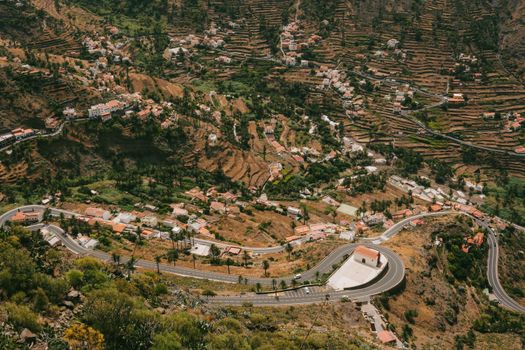
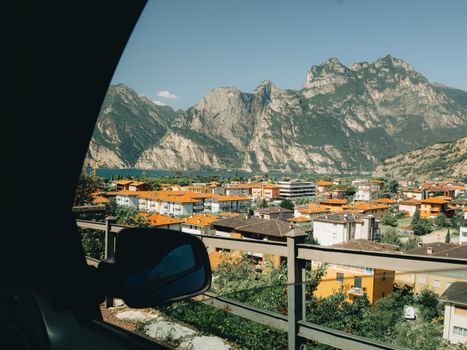
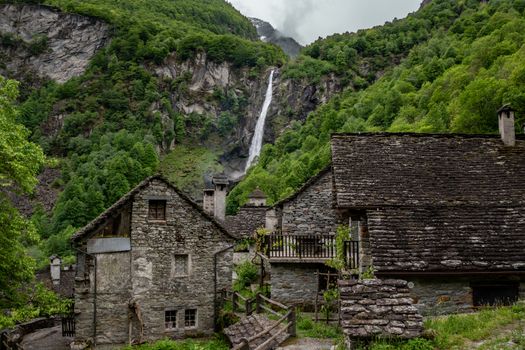
I stepped off the rattling local train, the air hitting me with a bracing, pine-scented chill that instantly cleared the city cobwebs from my mind. Below, a patchwork of terracotta roofs tumbled down the hillside, punctuated by the warm glow of lamplit windows. The distant chime of a church bell echoed, a gentle, rhythmic heartbeat in the vast silence. This wasn't just a pretty view; it was an invitation. An invitation to slow down, to breathe deep, and to discover a corner of the world that felt untouched by the frantic pace of modern life. Travel advisors, the unsung heroes of our wanderlust, know these places. They’ve scouted them, slept in their charming inns, and tasted their local delicacies, all to curate experiences that linger long after the checkout bill is paid. And today, I'm sharing their most treasured secrets: mountain villages perfect for an unforgettable overnight trip.
Why Choose a Mountain Village for Your Next Escape?
Forget the crowded beaches and the predictable city breaks. There's a unique magic in a mountain village that speaks to the soul. It’s about escaping the noise and embracing a slower rhythm. It’s about reconnecting with nature, with history, and with yourself.
The Allure of Altitude: Beyond the Views
Sure, the panoramic vistas are a given. But the true allure of these villages lies deeper. It's in the unhurried pace of life, the genuine warmth of the locals, and the rich tapestry of tradition woven into their very fabric. You’ll find architecture that tells stories, regional cuisines that are a revelation, and a profound sense of peace that’s increasingly rare. For travelers seeking authenticity and a genuine escape, a mountain village is an unparalleled choice.
The Travel Advisor's Edge: Insider Knowledge
As a travel journalist, I rely on the wisdom of those who live and breathe travel. Travel advisors, with their extensive networks and firsthand experiences, are the gatekeepers of these hidden gems. They know which inns offer the most breathtaking sunrise views, which trattorias serve the most authentic ragu, and the best times to visit to truly soak in the local atmosphere without the tourist crush. Their recommendations are gold.
Top Mountain Villages for Your Perfect Overnight Trip
These are the places that consistently earn rave reviews from top travel advisors, lauded for their charm, accessibility for an overnight stay, and sheer, unadulterated beauty.
1. Hallstatt, Austria: The Fairytale Frozen in Time
Pro-Tip:
Visit the Salt Mine (Salzwelten Hallstatt) for a fascinating glimpse into the region's history, and wear comfortable shoes – there’s a lot of history to explore!
Stepping into Hallstatt is like walking onto a postcard. This UNESCO World Heritage site, perched precariously between the Dachstein Alps and the serene Hallstätter See, is almost impossibly picturesque. The colorful, centuries-old houses seem to cling to the mountainside, reflected perfectly in the glassy lake. It’s the kind of place that makes you question if you’ve accidentally stepped into a Grimm’s fairy tale.
Insider's Word:
The real magic happens early morning or late evening. I’d suggest an overnight stay to witness the village bathed in the soft hues of dawn or the twinkling lights of dusk, when the day-trippers have departed, leaving you with its serene beauty. The scent of freshly baked strudel wafts from bakeries, mingling with the crisp, clean mountain air.
Quick Facts: Hallstatt
| Category | Details |
| :-------------- | :-------------------------------------------------------------------- |
| Estimated Cost | $$$ (EUR 150-300 per night for a good guesthouse) |
| Best Time to Visit | May-June (spring blossoms) or September-October (autumn colors) |
| How to Get There | Train to Hallstatt Bahnhof, then a short ferry ride across the lake. |
2. Gimmelwald, Switzerland: The Unspoiled Alpine Haven
Pro-Tip:
Don't miss the chance to hike or take the cable car up to Schilthorn (Piz Gloria) for Bond film fame and incredible panoramic views.
If you're looking for an authentic, car-free Swiss alpine experience, Gimmelwald is your answer. Perched on a sunny terrace above the Lauterbrunnen Valley, it’s a tiny hamlet where life moves at the pace of the cowbells. Think wooden chalets adorned with vibrant geraniums, steep meadows dotted with grazing sheep, and air so pure it feels like a tonic.
Insider's Word:
This is where simplicity reigns supreme. Forget fancy boutiques; here, you’ll find local cheese shops and cozy cafes. The communal spirit is palpable. I remember sharing stories with a local farmer over a slice of hearty bread and cheese, the only soundtrack the gentle murmur of a nearby stream and the occasional bleating of sheep. The Guesthouse Gimmelwald is an institution – basic, but brimming with character and unbeatable mountain views from every window.
Quick Facts: Gimmelwald
| Category | Details |
| :-------------- | :------------------------------------------------------------------------------------------------------- |
| Estimated Cost | $$ (CHF 100-200 per night for a guesthouse or hostel) |
| Best Time to Visit | June-August (hiking season) or December-March (for a cozy, snow-covered experience) |
| How to Get There | Train to Lauterbrunnen, then the cable car to Gimmelwald. No cars allowed in the village. |
3. Civita di Bagnoregio, Italy: The Dying City That Lives On
Pro-Tip:
Walk across the pedestrian bridge just before sunset to see the 'dying city' bathed in a magical golden light. Bring a flashlight for the walk back!
This is one of Italy's most unique and dramatic destinations. Civita di Bagnoregio, dramatically perched atop a volcanic tuff hill, is accessible only by a long, steep pedestrian bridge. Over centuries, erosion has slowly chipped away at its foundations, earning it the nickname "The Dying City." Yet, within its ancient walls, a vibrant (albeit tiny) community thrives.
Insider's Word:
The journey across the bridge is part of the adventure. As you ascend, the views of the surrounding Calanchi badlands are stark and beautiful. Once inside, the narrow, cobblestone alleys wind through medieval stone buildings, many adorned with overflowing flower pots. The smell of wild herbs and woodsmoke fills the air. For an overnight stay, seek out one of the few B&Bs within the village walls – waking up to the silence of Civita, before the day-trippers arrive, is an experience that will stay with you forever. The local pici pasta is a must-try.
Quick Facts: Civita di Bagnoregio
| Category | Details |
| :-------------- | :--------------------------------------------------------------------------------------------------------- |
| Estimated Cost | $$ (EUR 80-150 per night for a B&B) |
| Best Time to Visit | April-May or September-October (pleasant weather, fewer crowds). |
| How to Get There | Train to Orvieto, then a local bus or taxi to Bagnoregio. The pedestrian bridge starts from Bagnoregio. |
4. Reine, Lofoten Islands, Norway: A Fisherman's Dream Village
Pro-Tip:
If visiting in winter, book your Northern Lights tour well in advance. The reflections of the aurora on the water are breathtaking.
Nestled within the dramatic, jagged peaks of the Lofoten Islands, Reine is a quintessential Norwegian fishing village that seems plucked from a dream. Rorbuer, the traditional fishermen's cabins painted in vibrant red, are now iconic accommodations, offering stunning views of the fjords and surrounding mountains.
Insider's Word:
The air here is salty and invigorating, carrying the scent of the sea and the faint aroma of drying cod. Even outside of peak summer, the light is extraordinary, especially during the shoulder seasons. I remember sitting on the deck of my rorbu, a mug of strong Norwegian coffee in hand, watching the fishing boats bobbing in the harbor as the sun dipped below the horizon, painting the sky in shades of orange and purple. It’s a place where the raw power of nature meets the charm of human habitation. The local seafood is, as you'd expect, exceptionally fresh and delicious.
Quick Facts: Reine
| Category | Details |
| :-------------- | :--------------------------------------------------------------------------------------------------------------------------------- |
| Estimated Cost | $$$ (NOK 1500-3000 per night for a renovated rorbu) |
| Best Time to Visit | June-August (midnight sun) or September-October (autumn colors, fewer crowds) or February-March (Northern Lights). |
| How to Get There | Fly to Leknes or Evenes airports, then rent a car or take a bus to Reine. |
5. Shirakawa-go, Japan: A Glimpse into Traditional Japanese Life
Pro-Tip:
Book your stay in a Gassho-zukuri farmhouse well in advance, as these unique accommodations are highly sought after.
This UNESCO World Heritage village in the Japanese Alps is famous for its Gassho-zukuri farmhouses, characterized by their steep, thatched roofs designed to withstand heavy snowfall. Walking through Shirakawa-go feels like stepping back in time, with its well-preserved traditional architecture, rice paddies, and a sense of profound tranquility.
Insider's Word:
The experience of staying in a Gassho-zukuri farmhouse is truly immersive. You'll sleep on futons on tatami mats, enjoy communal meals prepared with local ingredients, and experience the warmth of Japanese hospitality firsthand. The smell of tatami, the gentle creak of wooden beams, and the quiet rustling of the thatched roofs create an unforgettable atmosphere. In winter, when the roofs are blanketed in snow and the village is illuminated, it's pure magic. The local Hida beef is a culinary highlight.
Quick Facts: Shirakawa-go
| Category | Details |
| :-------------- | :---------------------------------------------------------------------------------------------------------------------------------------------------------------------------- |
| Estimated Cost | $$ (JPY 10,000-20,000 per night for a farmhouse stay, often including meals) |
| Best Time to Visit | December-February (snowy wonderland) or May-June (lush green rice paddies). |
| How to Get There | Shinkansen (bullet train) to Nagoya or Kanazawa, then a highway bus directly to Shirakawa-go. |
Planning Your Overnight Mountain Village Adventure
The beauty of these villages lies in their manageability for an overnight trip. You can arrive in the afternoon, explore, enjoy a local dinner, and wake up to the serene beauty before heading back.
Packing Essentials for Mountain Charm
- Layers: Mountain weather can be unpredictable. Pack light layers you can add or remove.
- Comfortable Walking Shoes: Cobblestone streets and uneven terrain are common.
- Camera: You'll want to capture every moment.
- A Good Book: For cozy evenings by the fire or quiet mornings.
- Cash: Smaller villages might not accept cards everywhere.
Budgeting for Bliss
While some of these destinations can lean towards the pricier side (hello, Switzerland!), many offer affordable guesthouse or B&B options, especially if you travel during the shoulder seasons. The key is to factor in transportation and local experiences.
The Takeaway: Embrace the Mountain's Whisper
These mountain villages are more than just destinations; they are experiences. They offer a chance to disconnect from the digital noise and reconnect with the essential. Travel advisors recommend them because they deliver on charm, authenticity, and an unforgettable sense of peace. So, next time you're craving an escape, consider trading the bustling city for the quiet embrace of the mountains. Your soul will thank you.