Europe Under $50 a Day: Your Secret Map to Budget Bliss (Before They Go Mainstream!)
I remember standing on a cobblestone street in Krakow, Poland, the crisp autumn air carrying the scent of pierogi and roasted chestnuts. My daily budget for that day? A grand total of €35, including my accommodation. I’d just come from a whirlwind week in Rome, where a single gelato could set me back €5, and I felt like I'd stumbled upon a cheat code for European travel. This wasn't some fleeting stroke of luck; it was the result of a deliberate, slightly obsessive quest to prove that you don't need a trust fund to explore the continent of your dreams.
Forget the glossy Instagram feeds of influencers sipping €15 cocktails in Santorini. This is about real, gritty, utterly breathtaking travel. This is about discovering Europe's soul, not its tourist traps. And most importantly, it's about doing it for under $50 a day – a challenge I've not only met but consistently crushed, time and time again.
But here's the kicker: the places where this magic happens are changing. What was once dirt cheap is slowly being discovered. The time to unlock these secret corners, to truly experience Europe on a shoestring before they become mainstream, is now. So, grab your backpack, open your mind, and let's dive into the ultimate guide to budget European bliss.
The Mindset Shift: Ditch Paris in July, Embrace Shoulder Season & Hidden Gems
The first, and arguably most crucial, step to traveling Europe for under $50 a day is a fundamental shift in mindset. You need to abandon the well-trodden paths and embrace the road less traveled, both geographically and temporally.
Timing is Everything: The Power of Shoulder Season
Forget peak summer (June-August) when prices for everything from flights to a simple espresso skyrocket. Instead, aim for the shoulder seasons: late spring (April-May) or early autumn (September-October). The weather is often glorious, the crowds are thinner, and critically, prices for flights and accommodation drop significantly. I once scored a flight from London to Sofia, Bulgaria, in October for less than €20! Imagine the savings when you're not competing with millions of other tourists. Plus, experiencing cities like Budapest or Lisbon with fewer crowds allows for a more authentic, less frantic pace.
Go East, Young Traveler (and South!): Unconventional Destinations
While Western Europe boasts undeniable charm, its popularity often comes with a hefty price tag. To truly travel on a budget, you need to look east and south. This is where the magic happens. Countries like Albania, Bosnia & Herzegovina, Romania, Bulgaria, and parts of Portugal, Sicily, and even Slovenia (if you're strategic) still offer incredible value for money without sacrificing an ounce of cultural richness or natural beauty.
My journey through the Balkans was a revelation. In places like Mostar, Bosnia, I could feast on a delicious local meal for €5, and a comfortable guesthouse room might only set me back €15. Compare that to Venice, where a single gondola ride can blow your entire daily budget, and you start to see the immense potential. These regions are brimming with history, stunning landscapes, and incredibly welcoming locals, all while being remarkably affordable. They offer a taste of Europe that feels genuinely undiscovered, a stark contrast to the theme-park feel of some Western European hotspots.
Master Your Accommodation Game: Sleep Smart, Not Expensive
Your biggest budget killer is often accommodation. To stay under $50 a day, you need to be savvy about where you lay your head. Forget fancy hotels; we're talking about smart, comfortable, and often incredibly charming alternatives.
Beyond the Usual Hostels: Seek Out Hidden Gems
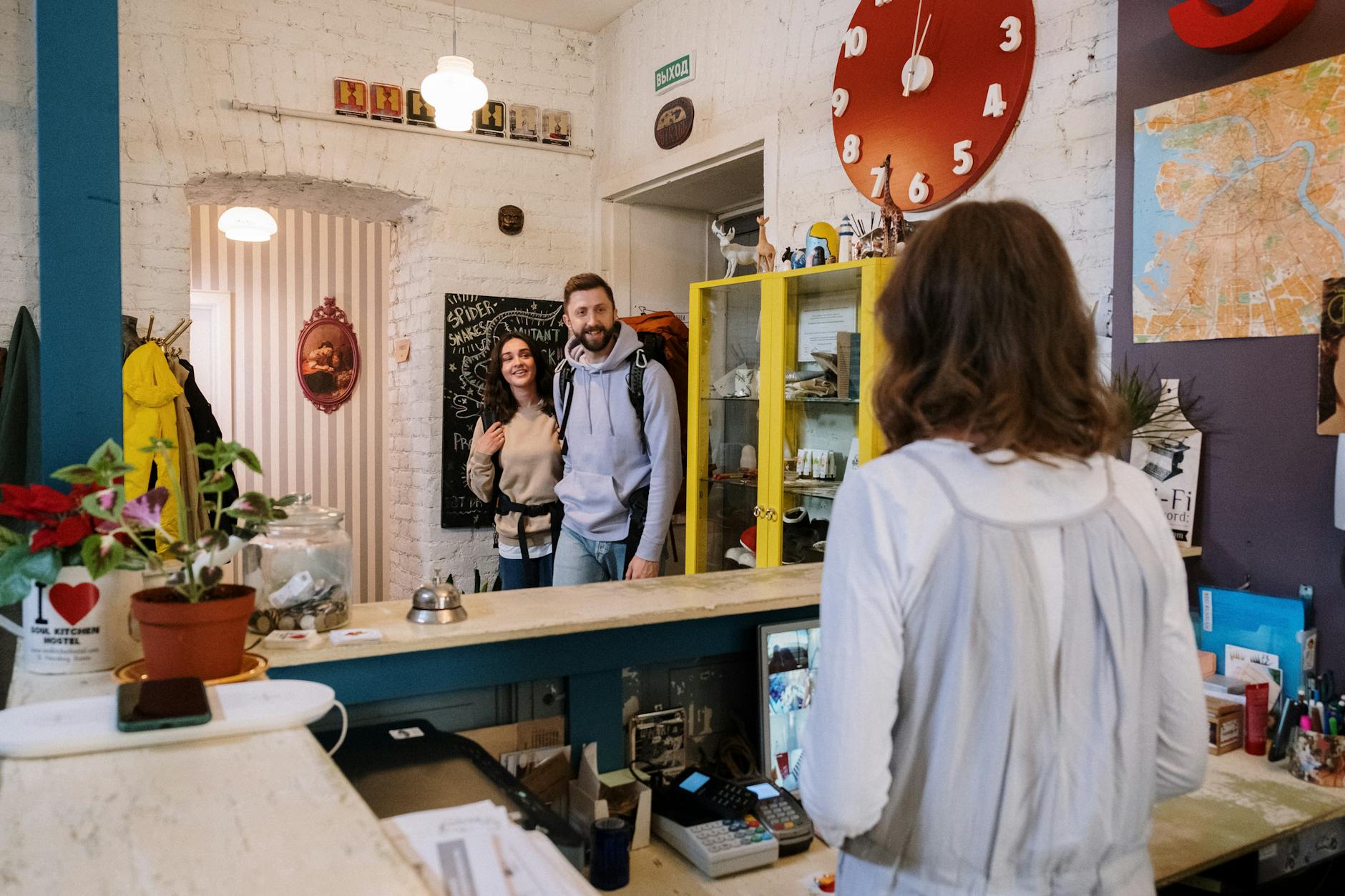
While hostels are a backpacker's staple, don't just blindly book the biggest one on Hostelworld. Look for smaller, independent hostels, especially those a short walk or public transport ride from the absolute city center. Often, these offer better value, a more intimate atmosphere, and cleaner facilities. Some even include breakfast, which is a huge win for your daily budget. I've stayed in boutique hostels in cities like Belgrade for €12 a night, complete with a fantastic common area and friendly staff.
Guesthouses & Family-Run Stays: The Local Experience
In Eastern and Southern Europe, guesthouses (often called 'Penzion' or 'Zimmer frei') are abundant and incredibly affordable. These are typically rooms in a local's home, offering a unique insight into daily life. I remember a delightful guesthouse in Sarandë, Albania, where my room with a sea view cost me just €15 a night. The owner even shared homemade raki with me! These are the experiences that make a trip truly memorable, far more so than an anonymous hotel room.
Couchsurfing & House-Sitting: The Ultimate Free Stays
For the truly adventurous and budget-conscious, Couchsurfing is a game-changer. Not only is it free accommodation, but it also connects you with locals who can offer invaluable insights and experiences. I've Couchsurfed in Ljubljana and Sarajevo, gaining incredible friendships and local perspectives that no guidebook could ever provide. Just remember to be a respectful guest and contribute to the experience. For longer trips, consider house-sitting platforms – you might get free accommodation in exchange for looking after pets or a home.
Airbnb (Strategic Use): Private Rooms & Outside City Centers
While entire Airbnbs can be pricey, don't discount the platform entirely. Look for private rooms in shared apartments, especially those slightly outside the absolute city center but still well-connected by public transport. This can often be cheaper than a hostel private room and offers a more local feel. Always filter by price and read reviews carefully.
- Budget Hack: Always check if breakfast is included. If not, plan to buy groceries for breakfast to save money. A typical budget for accommodation would be €10-€25/night.
Fueling Your Adventures: Eating Like a Local for Pennies
Food is where many travelers blow their budget, but it doesn't have to be that way. Eating well in Europe, authentically and deliciously, can be incredibly cheap if you know the tricks.
Embrace the Supermarket & Local Markets:
This is your number one weapon against budget-busting restaurant bills. Most hostels and Airbnbs have kitchen facilities. Stock up on fresh bread, local cheeses, cured meats, fruits, and vegetables from supermarkets or, even better, local farmers' markets. A picnic lunch by a scenic lake or in a bustling piazza is not only cheaper but often a more memorable experience than a sit-down meal. My go-to is always a fresh baguette, some local cheese, tomatoes, and olives – a gourmet meal for under €5.
Street Food & Bakeries: Your Daily Delights:
Europe excels at delicious, affordable street food. In the Balkans, look for burek (a savory pastry with meat or cheese) for €1-€3. In Poland, zapiekanka (open-faced baguette pizza) is a filling snack for a few euros. Italy offers pizza al taglio (pizza by the slice) and incredible pastries for breakfast. Portugal has pastel de nata for less than €1. These aren't just snacks; they can be entire meals! For breakfast, skip the hotel buffet and head to a local bakery for a fresh pastry and coffee for under €3.
Lunch Menus (Menu del Día): The Midday Steal:
Many European countries offer incredible "menu del día" or "daily special" deals, especially during lunchtime. These often include a starter, main course, drink, and sometimes dessert, all for a fixed, often very reasonable price (€8-€15). This is a fantastic way to sample local cuisine in a proper restaurant setting without breaking the bank. I've enjoyed multi-course meals in Spain and Portugal for less than €10 this way.
Tap Water is Your Friend:
Always carry a reusable water bottle. Most European cities have safe tap water, and many offer public fountains where you can refill for free. This not only saves you money but also reduces plastic waste.
- Budget Hack: Plan your food budget for €10-€15 per day, which is very achievable with these strategies.
Navigating Europe: The Art of Frugal Transportation
Getting around Europe can be expensive, but with a bit of planning and a willingness to embrace slower travel, you can keep costs astonishingly low.
Buses & Trains: Your Backbone of Budget Travel
Forget internal flights unless absolutely necessary. Long-distance buses (like FlixBus, Eurolines, or local companies in Eastern Europe) are often significantly cheaper than trains, especially if booked in advance. I've taken FlixBus from Budapest to Vienna for €15 and an overnight bus from Tirana to Istanbul for €30, saving on a night's accommodation in the process.
Trains can also be budget-friendly, particularly in countries like Poland, Hungary, or the Czech Republic. For instance, an overnight train from Belgrade to Bar, Montenegro, costing around €20, offered not just transportation but also breathtaking sunrise views of the Montenegrin coast – an experience in itself! Always compare prices and consider overnight journeys to maximize your budget.
Walk Everywhere: Your Best (and Free) Tour Guide
This is perhaps the simplest and most effective way to save money on transportation. Most European cities are incredibly walkable. Not only does it cost nothing, but walking allows you to discover hidden alleys, local shops, and street art you’d miss from a bus or metro. Wear comfortable shoes and embrace the power of your own two feet. I often walk 15-20km a day in a new city – it’s a fantastic way to explore and stay fit.
Local Public Transport: Master the Metro & Tram
When distances are too great for walking, utilize local public transport. Day passes or multi-day tickets are often excellent value. A 24-hour pass in Lisbon might cost €6.45, giving you unlimited access to trams, buses, and the metro. Always validate your ticket to avoid fines!
Ride-Sharing (e.g., BlaBlaCar): Connect & Save
Platforms like BlaBlaCar connect drivers with passengers heading in the same direction, allowing you to share fuel costs. This can be a great option for inter-city travel, often cheaper than buses, and provides an opportunity to meet locals. I've used it several times in Spain and France with positive experiences.
- Budget Hack: Aim for a transport budget of €5-€15 per day, factoring in a few longer journeys spread out over your trip. For city hopping, consider a long bus journey every 3-4 days to average out the cost.
Experience More, Spend Less: Free & Frugal Activities
You don't need to spend a fortune to have incredible experiences in Europe. In fact, some of the most memorable moments are absolutely free.
Free Walking Tours (Tip Generously!):
Almost every major city offers free walking tours. These are an excellent way to get an overview of a city's history, culture, and main sights, led by knowledgeable local guides. Remember, they work for tips, so if you enjoyed it, please tip generously (e.g., €5-€10 per person). I’ve learned so much about the complex history of Sarajevo and the vibrant street art scene of Lisbon through these tours.
Parks, Beaches & Nature: Europe's Natural Wonders:
Europe is blessed with stunning natural beauty. Spend a day hiking in the Julian Alps in Slovenia, relaxing on the pristine beaches of the Albanian Riviera, or picnicking in Hyde Park in London. These experiences are free and offer a refreshing break from city sightseeing. Exploring the Plitvice Lakes in Croatia might have an entrance fee, but hiking in the surrounding mountains is free and equally rewarding.
Free Museums & Galleries:
Many museums offer free admission on specific days or evenings. Check their websites in advance. In London, most major museums (British Museum, National Gallery) are always free. Even when there's a fee, look for student discounts or combined passes if you plan to visit multiple attractions.
City Views: Climb a Hill, Not a Tower:
Instead of paying to go up an observation tower, seek out natural viewpoints. Climb a hill, wander through an old castle district, or find a rooftop bar with cheap drinks. The views from the castle walls in Ljubljana or from the Miradouros (viewpoints) in Lisbon are absolutely free and breathtaking.
Local Festivals & People-Watching:
Check local event listings for free festivals, concerts, or markets. These offer an authentic glimpse into local culture. And sometimes, the best activity is simply finding a bench in a bustling piazza, grabbing a cheap coffee or beer, and watching the world go by. It’s free entertainment and a fantastic way to soak up the atmosphere.
- Budget Hack: Aim for €0-€10 per day on activities, allowing for an occasional paid entrance if it’s a must-see.
The "Before They Go Mainstream" Hotlist: Your Secret Map to Europe's Next Big Things (Under $50/Day!)
Now, for the really good stuff. These are the places where your $50 daily budget will stretch furthest, offering rich experiences without the crushing crowds.
1. Albania: The Last Untamed Corner of Europe
* Why: Jaw-dropping mountains, pristine beaches (the "Albanian Riviera"), ancient ruins, vibrant cities, and incredibly friendly people. It's like Greece or Croatia were 30 years ago.
* Budget Example: A delicious meal in Tirana for €5-€7, a comfortable guesthouse in Gjirokaster for €15-€20, local bus between cities for €5-€10. Daily average easily under $40.
* Must-Do: Explore the Ottoman architecture of Gjirokaster, relax on the beaches of Ksamil, hike in the Accursed Mountains, wander the bustling streets of Tirana.
2. Bosnia & Herzegovina: A Tapestry of History and Resilience
* Why: Deep, moving history, stunning natural beauty (rivers, mountains), delicious food, and incredibly welcoming locals. It's a country of profound stories and breathtaking landscapes.
* Budget Example: Hearty ćevapi (grilled meat) for €3-€5, hostel bed in Sarajevo for €10-€15, bus from Sarajevo to Mostar for €10. Daily average $30-40.
* Must-Do: Explore Sarajevo's Old Town (Baščaršija), marvel at the Stari Most bridge in Mostar, visit the Kravica Waterfalls, learn about the country's recent history.
3. Romania: Castles, Forests & Medieval Charm
* Why: Fairytale castles, dramatic Carpathian Mountains, charming medieval towns (Transylvania!), vibrant capital city, and a rich, complex history.
* Budget Example: A filling mici (grilled sausages) and beer for €5, a guesthouse in Brasov for €20-€25, train from Bucharest to Brasov for €10-€15. Daily average $40-50.
* Must-Do: Visit Bran Castle (Dracula's Castle), explore the colorful streets of Sighisoara, hike in the Carpathian Mountains, discover Bucharest's hidden gems.
4. Portugal (Beyond Lisbon & Porto): Unveiling the Authentic Soul
* Why: While Lisbon and Porto are getting pricier, venture inland or to the lesser-known coasts. The Alentejo region offers rolling vineyards and historic towns, the Silver Coast boasts stunning beaches without the Algarve crowds.
* Budget Example: A "Prato do Dia" (dish of the day) in a local tasca for €7-€10, a private room in a guesthouse in Évora for €25-€35, local bus for €5-€10. Daily average $45-55.
* Must-Do: Explore the ancient Roman temple in Évora, taste wine in the Alentejo, surf on the Silver Coast, discover hidden villages.
5. Slovenia (Strategic Budgeting Required): Alpine Dreams on a Dime
* Why: While gaining popularity, Slovenia's natural beauty is unparalleled. With smart choices, it's still possible to enjoy its lakes, mountains, and charming capital.
* Budget Example: Supermarket picnic for €5, hostel bed in Ljubljana for €20-€25 (or Couchsurf!), local bus to Lake Bled for €5-€7. Daily average $45-55.
* Must-Do: Kayak on Lake Bled, hike in Triglav National Park, explore Ljubljana's green capital, visit Predjama Castle. Focus on free nature activities.
The $50 a Day Blueprint: A Quick Recap
- Accommodation: €10-€25 (hostel dorms, guesthouses, Couchsurfing, Airbnb private rooms outside center)
- Food: €10-€15 (supermarkets, local markets, street food, lunch menus, bakeries)
- Transportation: €5-€15 (long-distance buses, walking, local public transport, occasional ride-share)
- Activities: €0-€10 (free walking tours, parks, hikes, free museums, people-watching)
- Buffer/Miscellaneous: €5-€10 (coffee, souvenirs, emergencies)
This isn't just about saving money; it's about enriching your travel experience. When you travel on a budget, you're forced to interact more with locals, seek out authentic experiences, and discover places that aren't plastered all over billboards. You become a traveler, not just a tourist.
Your European Adventure Awaits!
The idea that Europe is an expensive dream is a myth, especially when you know where to look and how to travel smart. These hidden gems and budget hacks are your ticket to an unforgettable adventure, one that will leave you with incredible stories, a deeper understanding of diverse cultures, and a wallet that's surprisingly intact.
Don't wait for these incredible places to be overrun by the masses. The time to explore Europe for under $50 a day, to discover its authentic heart, is now. What are you waiting for? Start planning your sub-$50 European adventure today! Share your own budget hacks in the comments below, or tell us where you're headed next – let's inspire each other to travel smarter, not richer!
---