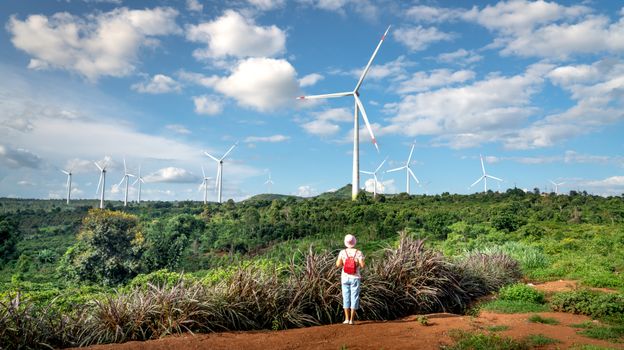
The salty air hit my face, carrying the scent of pine and distant campfires. I was standing on a cliff overlooking the shimmering Adriatic Sea in Montenegro, a place of breathtaking, rugged beauty. Below, the turquoise waters lapped against ancient rocks, and above, eagles soared in the vast blue. It was a moment of pure, unadulterated awe – the kind that reminds you why you fell in love with travel in the first place.
But then, just a few yards from where I stood, a plastic water bottle lay half-buried in the scrub. A stark, jarring reminder. This wasn't the first time I'd seen such a sight in a pristine place, and it certainly wouldn't be the last. It was a personal wake-up call, a moment where the joy of discovery collided with the undeniable truth of our collective impact.
Like many of you, I'm a passionate traveler. I live for new experiences, for the thrill of the unknown, for connecting with cultures and landscapes that expand my world. But I also carry a growing concern about the footprint I leave behind. Carbon emissions, plastic waste, over-tourism – it’s a heavy burden, and for a long time, I thought true "offsetting" meant expensive carbon credits or hefty donations.
Turns out, I was wrong. And happily so!
What if I told you that some of the most impactful ways to offset your travel footprint are absolutely, 100% free? Not only that, but they’re trending right now, embraced by a new wave of conscious explorers who are proving that responsible travel doesn’t have to break the bank. These aren't just feel-good gestures; they're smart, actionable changes that enhance your travel experience and make you a more connected, savvy adventurer.
Ready to dive into the world of guilt-free, zero-cost, impact-reducing travel? Let’s go!
1. The Mindset Shift: Packing Light, Thinking Green (Before You Go!)
Before you even step out the door, the biggest, freest carbon offset you can make is a shift in mindset. It’s about intentionality. Every ounce you carry on a plane, train, or bus requires fuel. Lighter luggage means less fuel, which means fewer emissions. It’s that simple, and it costs nothing!
My "Aha!" Moment:
For years, I was an incurable overpacker. "Just in case" was my mantra. Then, on a backpacking trip through Southeast Asia, I had to haul a monstrous 60-liter pack up countless flights of stairs, onto cramped buses, and through humid streets. My back ached, my patience wore thin, and I realized: this isn't freedom, it's a burden. The next trip, I challenged myself to a carry-on only, and it was revolutionary. Suddenly, I was agile, stress-free, and I actually wore everything I packed!
Practical, Free Tips:
* Embrace the "Capsule Wardrobe": Choose versatile pieces that mix and match, allowing you to create multiple outfits with fewer items. Think merino wool (odor-resistant!), quick-drying fabrics.
* Digitalize Everything: Tickets, boarding passes, guidebooks, maps. Your phone is your new best friend. Save trees, reduce paper waste.
* Reusable Essentials: Pack a lightweight reusable water bottle (collapsible ones are amazing!), a canvas shopping bag, and a small travel spork/chopstick set. These are game-changers for avoiding single-use plastics on the go.
* Research Eco-Friendly Accommodations: While choosing a specific hotel might cost money, researching their sustainability practices (water conservation, local sourcing, waste management) and prioritizing them when booking is a free offset in itself. Your consumer choice sends a powerful message.
Why it's Trending:
Minimalist travel isn't just about saving the planet; it's about saving your sanity. Travelers are realizing that less stuff equals more freedom, less stress, and often, less money spent on baggage fees. It’s an empowering movement that says, "I don't need much to experience everything."
2. Foot Power & Public Transport: Your Free Carbon Cutters (On the Ground)
Once you arrive, your choice of transportation is perhaps the most direct way to offset your footprint for free. Ditch the taxis, embrace your feet, a bicycle, or local public transport.
My "Aha!" Moment:
Exploring Rome on foot was a revelation. Yes, my feet ached by the end of the day, but I stumbled upon hidden piazzas, charming local eateries, and breathtaking street art that I would have completely missed whizzing by in a cab. The same goes for Kyoto, where renting a bike (often for a few dollars, but walking is always free!) allowed me to navigate its serene temples and bamboo groves at my own pace, feeling truly immersed.
Practical, Free Tips:
* Walk Everywhere You Can: It’s the ultimate free workout, a fantastic way to discover local life, and zero emissions. Use offline maps (like Google Maps or Maps.me) to navigate without data.
* Master Public Transport: Buses, trams, subways – they’re often cheaper, more efficient, and far more eco-friendly than individual car travel. Plus, you get a genuine glimpse into local daily life. Apps like Citymapper or local transit apps are invaluable.
* Bike-Sharing Programs: Many cities now offer affordable (or even free for short periods) bike-sharing schemes. It’s a fun, active, and green way to explore.
* Embrace Slow Travel: Instead of rushing between cities by plane, consider trains or buses. The journey becomes part of the adventure, offering scenic views and a lower carbon footprint.
Why it's Trending:
Travelers are seeking authenticity. Walking and public transport put you directly in the heart of a destination, allowing for serendipitous discoveries and genuine interaction. It’s also a huge money-saver, which resonates with budget-conscious and savvy travelers alike.
3. Eat Local, Eat Seasonal: Savoring Sustainability (Food & Drink)
Food is a massive part of travel, and it’s also a significant contributor to your footprint. By making conscious choices about what and where you eat, you can make a huge difference for free.
My "Aha!" Moment:
Wandering through the bustling markets of Hoi An, Vietnam, the vibrant colors and aromas were intoxicating. Choosing a street food vendor, watching them prepare my meal with fresh, locally sourced ingredients, was an experience in itself. Not only was it unbelievably delicious and cheap, but I knew I was supporting local farmers and reducing the carbon miles associated with my food. It felt good, tasted better, and cost less!
Practical, Free Tips:
* Hit the Local Markets: Seek out farmers' markets or local food stalls. You'll find fresh, seasonal produce, support local economies, and reduce the environmental impact of long-distance food transportation.
* Choose Local & Seasonal Dishes: When dining out, opt for dishes featuring ingredients that are native to the region and in season. Ask your server for recommendations!
* Say No to Single-Use Plastics: This is HUGE. Refuse plastic straws, bring your reusable coffee cup, and use your packed reusable container for takeout or leftovers. I always carry a small metal straw and a spork in my daypack.
* Minimize Food Waste: Order only what you can eat. If you have leftovers and a way to store them (your reusable container!), take them for another meal.
Why it's Trending:
The farm-to-table movement isn't just for Michelin-starred restaurants anymore. Travelers are craving authentic culinary experiences, and that means engaging with local food systems. It's about taste, culture, and conscious consumption, all rolled into one delicious, free impact reduction.
4. Digital Declutter & Sustainable Stays: Tech & Accommodation Hacks
Your accommodation choices and how you use energy within them can also contribute to your free offsetting efforts.
My "Aha!" Moment:
I once stayed in a small, family-run guesthouse in rural Italy that had a little sign in the bathroom: "Every day you choose to reuse your towel, we plant a tree (virtually speaking!)." It was a simple, charming nudge. It made me think about my habits. Do I really need fresh towels every single day? Of course not. It's a small act, but multiplied by thousands of travelers, it makes a difference in water and energy consumption.
Practical, Free Tips:
* Unplug Devices: When you leave your room, unplug chargers and devices. "Phantom load" from plugged-in electronics still consumes energy. It takes two seconds and costs nothing.
* Reuse Towels & Linens: Most hotels now have policies encouraging this. Opt-in! It saves water, energy, and harsh chemicals from excessive washing.
* Mind Your Thermostat: Adjust the AC or heating to a comfortable, moderate temperature, and turn it off when you leave the room.
* Turn Off Lights: A no-brainer, but easily forgotten. Be mindful of energy consumption.
* Ditch the Daily Housekeeping: If you’re staying for a few days, consider skipping a day or two of housekeeping. Less water, less electricity, fewer chemicals. Just ask at the front desk.
Why it's Trending:
The "digital detox" is a growing trend, and extending that mindfulness to our energy consumption is a natural progression. Travelers are increasingly seeking accommodations that align with their values, and showing personal responsibility within those spaces is a free way to amplify that impact.
5. Volunteer & Engage: Giving Back on the Go (Experiences That Matter)
This is where the "free" aspect gets truly exciting and deeply rewarding. Instead of just taking from a destination, what if you could give back, even for a few hours, without spending a dime? This isn't about expensive volunteer tourism programs; it's about spontaneous, community-focused engagement.
My "Aha!" Moment:
While exploring a remote beach in Thailand, I noticed a small group of locals and fellow travelers picking up trash. I didn't speak their language fluently, but a smile and a gesture with my hands were enough. I spent a few hours helping them, filling bags with plastic debris washed ashore. It was sweaty, tiring work, but the sense of camaraderie and purpose was incredible. I didn't pay anything, but I left that beach feeling richer than any paid excursion could have made me.
Practical, Free Tips:
* Join Local Clean-Ups: Keep an eye out for local initiatives, especially in coastal areas or national parks. Many communities organize regular clean-ups, and they're often thrilled to have extra hands. Just show up and offer to help!
* Offer Your Skills: If you have a specific skill (e.g., teaching English, basic coding, photography, gardening), you might find opportunities to offer a few hours of your time to a local school, community center, or NGO. Check local community boards or ask around.
* Participate in Citizen Science: Some parks or conservation areas have programs where travelers can help collect data (e.g., bird sightings, plant identification). It’s an engaging way to learn and contribute.
* Ethical Wildlife Encounters: Choose to observe wildlife from a respectful distance in their natural habitat rather than supporting attractions that exploit animals (e.g., elephant riding, tiger temples). Your choice to not participate is a powerful, free offset.
Why it's Trending:
Travelers are increasingly seeking meaningful experiences over purely transactional ones. The desire to connect deeply with a place and its people, to leave a positive mark, is a powerful motivator. "Voluntourism" gets a bad rap when it's commercialized, but genuine, free, spontaneous acts of service are experiencing a massive resurgence. Hashtags like #TrashTag and #Plogging (jogging and picking up litter) are making these actions highly visible and inspiring.
6. Share Your Story: Inspire the Ripple Effect (Post-Travel Power)
Your journey doesn't end when you return home. One of the most powerful, free ways to offset your footprint is to inspire others. Share your experiences, your tips, and your passion for responsible travel.
My "Aha!" Moment:
After my carry-on-only revelation, I posted about it on Instagram and my blog. The response was overwhelming! So many people reached out, asking for packing tips, sharing their own minimalist challenges, and expressing how liberating the idea sounded. It showed me that simply sharing my genuine experience could spark a ripple effect, encouraging others to adopt more sustainable practices.
Practical, Free Tips:
* Be a Social Media Advocate: Share your sustainable travel moments! Post photos of you using your reusable bottle, walking through a city, or participating in a clean-up. Use relevant hashtags like #SustainableTravel #EcoTravel #ResponsibleTourism #TripsoraGreen.
* Write Reviews: When you encounter an eco-friendly hotel, tour operator, or restaurant, leave a review highlighting their sustainable practices. This rewards them and guides other travelers.
* Talk About It: Chat with friends, family, and colleagues about your sustainable choices and why they matter. Personal stories are incredibly persuasive.
* Suggest to Fellow Travelers: If you see a fellow traveler struggling with single-use plastics, a polite, friendly suggestion (e.g., "Hey, I found this amazing collapsible bottle that's a lifesaver!") can make a difference.
Why it's Trending:
Social media is a powerful tool for change. When influencers and everyday travelers alike share their sustainable habits, it normalizes and even glamorizes them. It creates a community of like-minded individuals, fostering a collective movement towards a greener way to explore. Your voice, your story, your share – it all contributes to a larger, positive trend.
7. Embrace the "Leave No Trace" Ethos: Your Ultimate Free Principle
This isn't a single action, but rather an overarching philosophy that underpins all free offsetting. The "Leave No Trace" principles, originally for wilderness, are perfectly applicable to all travel.
My "Aha!" Moment:
Hiking in Patagonia, every trail marker, every ranger, every local emphasized "Dejar Huella Cero" – Leave Zero Trace. It wasn't just about not littering; it was about staying on trails, respecting wildlife, minimizing impact on campfires, and being considerate of other visitors. This ethos taught me a profound respect for the delicate balance of nature and how my presence, however fleeting, could either disrupt or preserve it.
Practical, Free Tips:
* Plan Ahead & Prepare: Research local regulations, weather, and potential impacts.
* Travel & Camp on Durable Surfaces: Stick to marked trails, designated campsites, and solid ground. Avoid trampling vegetation.
* Dispose of Waste Properly: Pack it in, pack it out. This includes all trash, food scraps, and human waste.
* Leave What You Find: Don't take souvenirs from nature (rocks, plants, shells) or cultural artifacts. Leave natural and historical items undisturbed.
* Minimize Campfire Impacts: Use established fire rings, keep fires small, and ensure they are completely out. (Though ideally, avoid campfires altogether if possible to reduce emissions and impact).
* Respect Wildlife: Observe from a distance, never feed animals, and store food securely.
* Be Considerate of Other Visitors: Respect local communities, maintain quiet, and allow others to enjoy their experience.
Why it's Trending:
As more people venture into nature and sensitive areas, the need for responsible behavior is paramount. "Leave No Trace" is becoming a global standard for ethical outdoor recreation, and its principles are easily transferable to urban and cultural travel, fostering a deeper respect for every place we visit.
---
Your Journey to Guilt-Free Exploration Starts Now!
The world is waiting, and it desperately needs us to be its conscious custodians. The beauty of these trending, free offsetting methods is that they don't just reduce your environmental impact; they enhance your travel experience. They force you to slow down, connect more deeply with local life, discover hidden gems, and feel a profound sense of purpose.
You don't need a hefty bank account to be a responsible traveler. You just need intention, a little knowledge, and a willingness to embrace new habits. Every choice you make, from packing light to choosing your next meal, is a vote for the kind of world you want to explore.
So, next time you're planning an adventure, remember these free hacks. Share your journey, inspire your friends, and let's collectively create a travel landscape that is as vibrant and sustainable as the destinations we adore.
What's your favorite free eco-travel hack? Share it in the comments below or tag us on social media with #TripsoraGreen! Let's build a community of conscious explorers!
---