From Economy Cramp to Business Class Glam: Your Guide to Scoring Free Upgrades
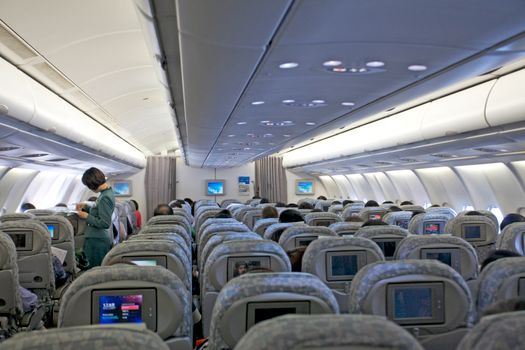
There’s a moment etched into my travel memory – the first time I turned left instead of right after boarding. The plush seat, the welcoming glass of champagne, the space, the silence, the sheer luxury of it all. It felt like I’d won the lottery, but really, it was just a combination of strategy, a dash of luck, and a whole lot of charm. That day, I went from a cramped economy seat on a red-eye from London to New York to a blissful, lie-flat experience in business class, all without paying a dime extra. And trust me, once you've experienced it, you'll never look at air travel the same way again.
For years, the "free upgrade" was whispered about like an urban legend, a mythical creature only seen by the chosen few. But as a professional travel blogger for Tripsora, I'm here to tell you: it's not a myth. It's a game, and with the right playbook, you can absolutely increase your odds of winning. The strategies for getting upgraded to business class for free are constantly evolving, but some core principles, combined with trending hacks, are making it more accessible than ever. Let's unlock the secrets to flying in style without breaking the bank.
The Loyalty Ladder: Your Golden Ticket to the Front of the Plane
Let’s be honest, airlines love loyalty. In an increasingly competitive market, they want you to keep coming back. And they reward those who do. This isn't just about collecting miles; it's about strategic engagement with an airline and its alliance.
1. Embrace Airline Loyalty Programs (and Their Alliances):
This is perhaps the most fundamental and consistent way to secure upgrades. When you consistently fly with one airline or, more importantly, one airline alliance (like Star Alliance, SkyTeam, or Oneworld), you start accumulating status.
* How it works: As you earn more "status miles" or "segments," you move up tiers (e.g., Silver, Gold, Platinum, Diamond). Each tier unlocks progressively better perks, and one of the most coveted is complimentary upgrades. Airlines often prioritize their elite members for upgrades when business class seats are available or when economy is oversold.
* My Experience: I vividly remember a flight from Frankfurt to Singapore. I was flying Lufthansa, a Star Alliance member, and held Gold status with United (also Star Alliance). My original economy booking was already looking tight, but at the gate, my name was called. "Mr. [My Last Name], we've moved you to business class today as a thank you for your loyalty." That 12-hour flight transformed from a potential endurance test into a luxurious, productive journey. This wasn't a one-off; it's a consistent benefit for elite members.
* Actionable Tip: Pick an alliance and stick to it. Credit all your flights, even short domestic hops, to your chosen loyalty program. Even if you don't fly enough to hit top-tier status, mid-tier status often comes with upgrade priority over non-status passengers.
2. Leverage Airline Co-Branded Credit Cards:
Many airlines offer credit cards that come with fantastic travel perks, including upgrade certificates or accelerated status earning.
* How it works: Cards like the Chase Sapphire Reserve, Amex Platinum, or specific airline co-branded cards (e.g., United Explorer Card, Delta SkyMiles Reserve) often offer benefits like complimentary upgrades on domestic flights, priority boarding (which can sometimes lead to upgrades if economy is full), or annual upgrade vouchers. These vouchers might move you from economy to premium economy or even business class, often for a nominal co-pay or a fixed number of points.
* Specifics: Some cards give you "upgrade priority" within your status tier, meaning you're higher on the list than another passenger with the same status but without the co-branded card. Others offer actual upgrade certificates upon reaching spending thresholds or as an annual perk.
* Actionable Tip: Research credit cards aligned with your preferred airline or alliance. Understand their upgrade benefits. Earning points through these cards also gives you another avenue for "free" upgrades by redeeming points for premium cabin awards, which feels free if you earned the points through everyday spending.
Strategic Booking: Where and When You Fly Matters
It's not just who you fly with, but how and when you book your flights that can significantly impact your upgrade chances. This is where a bit of insider knowledge and planning comes in handy.
1. Choose Less Popular Routes and Off-Peak Times:
A full flight means fewer upgrade opportunities. Logically, flying when demand for business class is lower increases your chances.
* How it works: Mid-week flights (Tuesdays, Wednesdays) are often less crowded than Mondays or Fridays. Red-eye flights, especially on weekends, can also be good candidates. Routes that aren't major business hubs or popular vacation destinations might have more empty premium seats.
* My Observation: On a recent trip to Medellín, Colombia, an emerging but not yet saturated tourist destination, I noticed more premium cabin availability than on, say, a flight to Paris or London. Flying an early morning flight on a Tuesday to Medellín, I saw several empty business class seats, making it a prime target for upgrades.
* Actionable Tip: When searching for flights, consider flexibility with your travel dates. Use flight comparison sites to look at seat maps (often available during the booking process or on tools like ExpertFlyer) to gauge how full the premium cabins are. Look for flights with higher business class availability or those likely to be undersold in premium cabins.
2. Book Flights Likely to Be Oversold in Economy:
This is a classic strategy. If economy is oversold, the airline must move some passengers. Who do they move? Often, their elite status members, or those who present themselves well.
* How it works: Airlines sometimes intentionally overbook flights, betting that a certain percentage of passengers won't show up. If everyone does, they need to "bump" people. If you're a loyal customer, dressed well, and polite, you're a prime candidate for an involuntary (but welcome!) upgrade.
* Actionable Tip: Research historical load factors for your desired route and time. While not foolproof, it can give you an idea. More simply, observe if the economy cabin looks packed during check-in. If you have status, this is your moment to shine.
The Art of Asking: Politeness, Presentation, and Perfect Timing
This is where the "charm" part of the equation truly comes into play. It's not about demanding; it's about subtly suggesting and being open to possibilities.
1. Dress the Part (Smart Casual, Not Scruffy):
While airlines won't explicitly say it, presentation matters. If you look like you belong in business class, you're more likely to be considered.
* How it works: Imagine you're a gate agent with two passengers standing before you, both with similar status, both needing to be moved. One is in sweatpants and a stained t-shirt, the other in neat jeans, a collared shirt, and a clean jacket. Who do you think gets the nod for a premium seat? It's human nature.
* My Anecdote: I was once flying from Lisbon to Philadelphia, and a young couple, impeccably dressed but not overly formal, were chatting amiably with the gate agent. I overheard the agent say, "You know, we have a few seats up front, and you two look like you'd enjoy them." They were upgraded on the spot. It wasn't about status for them; it was about presentation and a friendly demeanor.
* Actionable Tip: Always aim for smart casual. Think comfortable but polished. Avoid anything too revealing, ripped, or branded with offensive slogans.
2. Be Polite, Friendly, and Approachable:
Gate agents and flight attendants deal with hundreds of passengers daily, many of whom are stressed or demanding. A genuinely kind and patient passenger stands out.
* How it works: A simple "Hello, how are you doing today?" and a warm smile can go a long way. If you have a specific request, phrase it politely: "I know it's a long shot, but if there happens to be any availability in business class today, would it be possible to consider an upgrade?"
* Timing is Key:
* At Check-in: This is often too early. Agents are focused on getting everyone checked in.
* At the Gate (after boarding starts, or just before it closes): This is the sweet spot. By this time, the gate agents have a clearer picture of the flight's load and any open premium seats. They're also less stressed than at the height of check-in. Avoid asking immediately upon boarding the plane; flight attendants are busy with safety checks.
* Actionable Tip: Never demand. Never complain about your current seat as a tactic. Be genuinely pleasant. Acknowledge their busy job. A little empathy goes a long way.
3. The "Special Occasion" Mention (Subtly!):
This is a delicate one and should be used with extreme caution and never as an expectation.
* How it works: Sometimes, if you're celebrating a significant milestone (honeymoon, big birthday, anniversary) and you subtly mention it during a polite conversation with a gate agent or flight attendant, they might take note. It's a discretionary goodwill gesture, not a right.
* My Observation: On a flight to Bali for a friend's honeymoon, they mentioned it casually during check-in while being very friendly. They didn't get an upgrade on the first leg, but on the connecting flight, they were surprised with business class. It wasn't guaranteed, but the seed was planted, and a kind agent acted on it.
* Actionable Tip: Don't lead with it. If it comes up naturally in a conversation, fine. "It's our first trip to X for our 10-year anniversary, we're so excited!" is much better than "It's my birthday, so I expect an upgrade."
Leveraging Irregular Operations (IRROPS): When Things Go Wrong, You Go Right
This is perhaps the most reliable (though least desirable) way to get an upgrade – when the airline needs your help.
1. Volunteer for Rebooking (VDB - Voluntary Denied Boarding):
When a flight is oversold, airlines will often ask for volunteers to take a later flight in exchange for compensation. This is your golden opportunity.
* How it works: If you have flexibility, volunteer. While the compensation is usually a voucher or travel credit, sometimes, as part of the rebooking process, they'll put you on a later flight with an open business class seat as an added perk for your flexibility.
* My Story: Flying from Orlando back to my home city, my flight was severely overbooked. They offered a $500 voucher and a rebooking. I volunteered. To my surprise, the rebooked flight for a few hours later had me in business class. The agent said, "Thank you for your understanding, we want to make sure your inconvenience is softened a bit." $500 richer and flying in style – a win-win!
* Actionable Tip: Always listen for announcements about oversold flights. If you're not in a rush, put your hand up. Be polite and helpful. Your flexibility is valuable to the airline.
2. Flight Delays, Cancellations, and Equipment Changes:
When things go wrong – weather delays, mechanical issues, or last-minute aircraft swaps – chaos can ensue, but also opportunity.
* How it works: If your flight is significantly delayed or canceled, and you need to be rebooked, or if the airline swaps to a smaller plane where your economy seat no longer exists, they might need to move passengers. Again, elite status holders are usually prioritized, but if business class seats are the only ones available, anyone might get lucky.
* Actionable Tip: In these stressful situations, remain calm and polite. While others are panicking, approach the agent with patience and understanding. Your demeanor can make a difference in how they choose to resolve your rebooking.
The Credit Card & Points Game: Your Secret Weapon (The "Free" Upgrade Through Smart Spending)
While technically not "free" in the sense of no cost at all, earning points through credit cards and redeeming them for business class upgrades or tickets can feel free because you're using points acquired from everyday spending.
1. Maximize Travel Credit Card Rewards:
High-value travel credit cards are designed to reward you for spending, often with points that can be transferred to airline partners.
* How it works: Cards like Chase Sapphire Preferred/Reserve, American Express Membership Rewards cards, or Capital One Venture X offer flexible points that can be transferred to various airline loyalty programs (e.g., United, British Airways, Air France/KLM, Singapore Airlines). Once transferred, these points can be used to book business class award tickets or to upgrade existing economy tickets.
* Specific Example: Let's say you have 100,000 Chase Ultimate Rewards points. You can transfer them to United MileagePlus. With a bit of searching, you might find a business class upgrade award for 20,000-30,000 miles on a specific route, turning your economy flight into a premium experience.
* Actionable Tip: Understand the transfer partners and redemption values of your credit card points. Look for transfer bonuses (e.g., "get 25% more miles when you transfer to X airline this month"). This can stretch your points even further. This requires planning and some research, but the payoff is immense.
2. Be Strategic with Economy Fare Classes:
Not all economy tickets are created equal when it comes to upgrades.
* How it works: Some airlines offer different "fare classes" within economy (e.g., Y, B, M, H, Q). Higher fare classes (often more expensive, but still economy) are sometimes more eligible for upgrades than the cheapest "basic economy" tickets, especially when using miles or upgrade certificates. Basic economy tickets are almost universally ineligible for upgrades.
* Actionable Tip: When booking, if you're aiming for an upgrade, avoid basic economy fares at all costs. Sometimes paying a little more for a standard economy fare can open the door to upgrade eligibility.
The Solo Traveler Advantage & What NOT to Do
1. The Solo Traveler's Edge:
Traveling alone can sometimes be an unexpected advantage for upgrades.
* How it works: It's much easier for an airline to find a single empty business class seat than to find two or more together. If they need to move someone, a solo traveler is often the most convenient choice.
* My Observation: I've noticed many times when a flight is oversold or an upgrade opportunity arises, it's the lone passengers who get the nod. On a flight from Tokyo to San Francisco, a fellow solo traveler (who had no status) was upgraded because he was flexible and there was one single seat left in business class.
* Actionable Tip: If you're traveling solo, be extra aware of upgrade opportunities and be ready to politely inquire.
2. What NOT to Do (Seriously, Don't Do This):
While we're all looking for that golden ticket, there are definite no-gos that will instantly disqualify you and potentially even get you into trouble.
* Don't Lie: Don't invent fake honeymoons, terminal illnesses, or "lost luggage" in an attempt to garner sympathy. Airlines have heard it all. Honesty, even if it's a subtle mention, is always the best policy.
* Don't Be Demanding or Rude: This is the quickest way to ensure you stay exactly where you are, or worse, get put on the airline's "do not upgrade" list. Entitlement is a turn-off.
* Don't Overdo the "Special Occasion": As mentioned, a subtle, genuine mention is fine. Wearing a "It's My Birthday, Upgrade Me!" t-shirt is likely to backfire.
* Don't Try to Bribe: Offering cash or gifts to gate agents is unprofessional and can lead to serious consequences for both you and the agent.
* Don't Ask Onboard Immediately: Flight attendants are busy with pre-flight safety checks and service. Asking them for an upgrade right after boarding is disruptive and generally fruitless. If an upgrade happens, it's usually processed at the gate.
Conclusion: Your Journey to the Front of the Plane Starts Now!
Scoring a free business class upgrade is not about magic, but a strategic blend of loyalty, smart booking, a dash of charm, and being prepared to seize opportunities. It’s about being a savvy traveler who understands the airline ecosystem. From leveraging your elite status and credit card points to choosing the right flights and being a genuinely pleasant passenger, you now have the trending tools and tactics to significantly increase your chances of turning left instead of right on your next flight.
Imagine the feeling: the extra legroom, the gourmet meal, the attentive service, the lie-flat bed for a truly restful journey. It's an experience that transforms travel from a chore into a luxurious adventure. So, next time you're planning a trip, keep these strategies in mind. Who knows, your next flight might just be your most comfortable one yet!
Now it's your turn! Have you ever scored a free upgrade? What were your secrets? Share your stories and tips in the comments below – let's inspire each other to fly in style! And don't forget to share this guide with your travel-loving friends. Happy travels, and may your upgrades be plentiful!
---