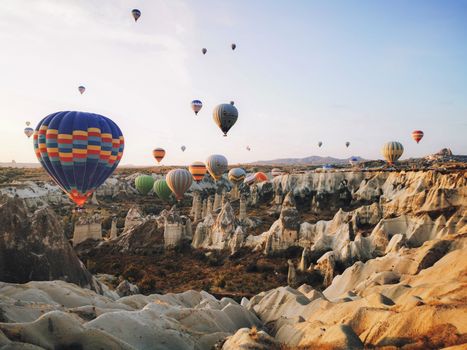
A night in a cave suite, a treehouse or a hotel built of ice often sits on a wish list for years. It is easy to fall in love with the photographs. It is harder to know what to ask before you book. How cold will it be? Is the room reachable with luggage? Will the experience be worth the price?
This guide focuses on planning rather than description. It follows the decisions in the order you will meet them, from deciding what you want to arriving prepared. It is useful whether you are celebrating a special occasion, planning a bucket-list trip or simply curious. Prices, seasons and availability change, so always confirm details with the property.
Step 1: Decide what you want from the stay
Unusual hotels are not all alike, and the best choice depends on your priorities.
- Romance and celebration. Cave suites with private terraces and treehouses with hot tubs are popular for anniversaries and honeymoons.
- Adventure. Ice hotels combine well with outdoor activities such as husky sledding or snowshoeing.
- Nature and quiet. Treehouses in forests or caves in rural areas offer peace.
- Photography. Look for properties with distinctive architecture and views, and consider the best light of the day.
- Family trips. Some treehouses and igloo-style cabins are family friendly, while ice rooms may have age limits.
- Culture and history. Cave dwellings in places like Cappadocia and Matera connect you to centuries of human settlement.
Write down your top two priorities. They will guide your decisions about location, budget and room type.
Step 2: Choose the season carefully
Timing makes or breaks many of these stays.
Ice hotels
are seasonal. Many are built in early winter and melt in spring. The typical open season runs from roughly December to March or April, but it varies. Some include year-round cold suites. Midwinter brings the deepest cold and the best chance of snow, and in the far north, polar night and aurora viewing. Late winter brings more daylight and sometimes milder temperatures.
Cave hotels
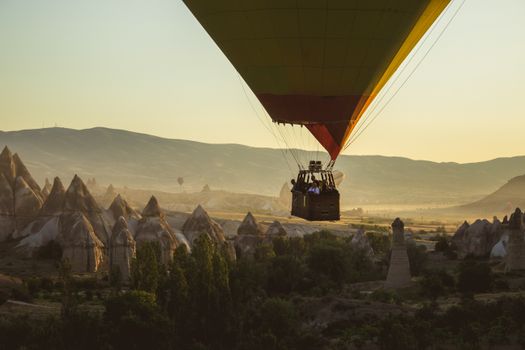
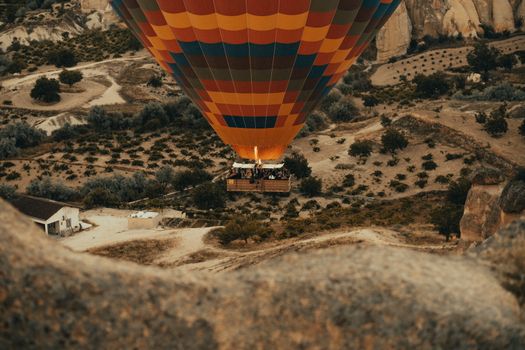
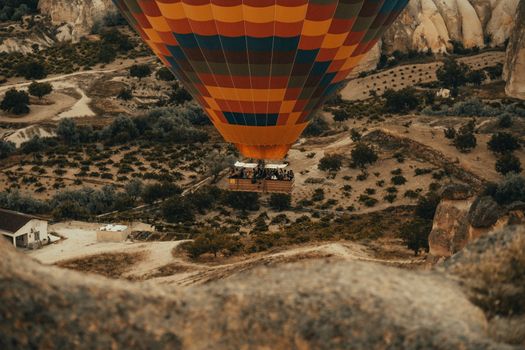
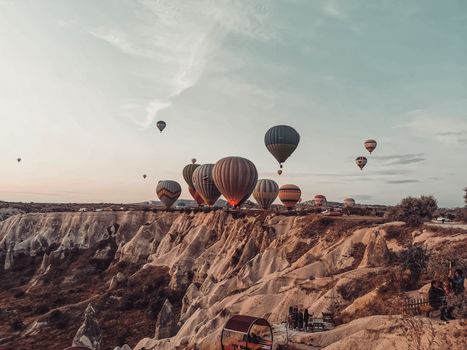
can be enjoyed year-round, because rock moderates temperature. In places like Cappadocia, spring and autumn are comfortable, summer can be hot and winter brings snow and fewer visitors. Balloon flights, a major attraction in Cappadocia, depend on wind and weather, so build in extra days.
Treehouse hotels
depend on the climate. In temperate forests, late spring to early autumn is comfortable. Some winter treehouses are heated and especially magical in snow. In tropical regions, consider rainy seasons, humidity and insects.
Whatever the season, check the property's official calendar. Dates change.
Step 3: Set a realistic budget
Unique stays often cost more than regular hotel rooms, though not always. Costs depend on the destination, season and level of service. When comparing, consider these elements.
- Room rate. Often higher for signature suites.
- Meals. Remote properties may require you to eat on site.
- Activities. Guided tours, snowmobile rides or balloon flights usually cost extra.
- Transport. Reaching remote locations can involve flights, transfers and rental cars.
- Clothing and gear. Some ice hotels provide thermal suits and boots, others charge a rental fee.
- Taxes and service charges.
A common strategy is to book the unusual room for one night and spend the remaining nights in a conventional, cheaper hotel. You get the experience without paying premium rates for the entire trip.
Step 4: Check access and mobility
Many unique stays involve stairs, narrow paths, uneven ground or bridges. Ask about:
- The number of steps to the room and bathroom.
- Whether there is lift access or a ramp.
- How far you must carry luggage.
- Whether the property offers accessible rooms.
- Whether there are age limits for children, or railings and safety features for families.
- Whether the property can accommodate service animals.
If a property cannot answer clearly, consider that a signal to look elsewhere.
Step 5: Compare properties
Make a short list of three to five candidates. Compare them on the same criteria.
- Location and how easy it is to reach.
- Room types and what is included.
- Recent guest reviews, especially on sleep quality, cleanliness and service.
- Cancellation and change policy.
- Environmental practices, such as energy use and waste management.
- Safety information and emergency procedures.
- Availability of nearby activities and restaurants.
Look at reviews across multiple sites and weigh patterns more than single comments. A single bad night happens everywhere, but repeated notes about cold, noise or poor service are worth taking seriously.
Step 6: Read the fine print
Before paying, check these details.
- Deposit and refund rules. Weather-dependent stays can be cancelled by the property, so find out what happens in that case.
- Check-in and check-out times. Ice hotels often have specific check-in schedules, because rooms are used for tours during the day.
- Rules about alcohol, candles, pets and noise. Some properties limit these for safety.
- Insurance. Travel insurance that covers cancellation and medical care is wise, especially for remote or cold destinations. Read the exclusions, since some policies do not cover certain activities.
Step 7: Prepare for the physical experience
For ice hotels
- Pack thermal base layers, wool socks, a warm hat and gloves. Most hotels provide a thermal sleeping bag and often outerwear for activities.
- Avoid cotton next to the skin.
- Bring a small bag for items you want in your room, since most luggage stays in a warm locker.
- Practise good sleeping habits in the cold. Go to the bathroom first, stay hydrated but not excessively, and keep your head covered.
- Have a backup plan. Most properties offer warm rooms, and it is fine to use them.
For cave hotels
- Bring comfortable, non-slip shoes for steps and uneven surfaces.
- Pack a light jacket, since interiors can be cool.
- If you are sensitive to damp or dust, check for ventilation or air filtration.
- A small torch helps in dimly lit corridors.
For treehouses
- Pack lightly, because space is limited.
- Choose shoes with grip, especially if there are ladders or wooden steps.
- Bring insect repellent.
- Be aware that weather can affect comfort, such as wind or rain on the roof.
- Respect the forest and keep noise down.
Step 8: Think about safety
Unusual buildings have unusual risks. Reputable properties take them seriously, but you should too.
- Listen to safety briefings and follow rules.
- Know where the nearest warm room, exit and emergency contact are.
- Keep a charged phone, and check signal coverage.
- In cold environments, watch for signs of overexposure such as numbness, confusion or shivering that will not stop, and ask for help early.
- At height, do not lean on railings beyond their limit or carry heavy loads onto lightweight structures.
- If you have health conditions or are pregnant, speak with a doctor before booking extreme environments. This is general information, not medical advice.
Step 9: Make the most of your stay
- Arrive in daylight if you can, so you can see the surroundings.
- Take time to explore the property and ask staff about its story. Many are happy to share how it was built.
- Schedule activities that suit the setting, such as a sunrise balloon ride in Cappadocia, a forest walk near a treehouse or an aurora tour near an ice hotel.
- Leave space in your schedule for rest. These locations reward slowness.
- Take photos, but also spend time without a screen.
Sample plans to adapt
A romantic long weekend in Cappadocia.
Fly into one of the regional airports and transfer to the cave hotel area. Spend the first evening settling in and watching sunset from the terrace. Leave a flexible morning for a possible balloon flight, a day for valley walks and the open-air museum sites, and a final slow morning before departure. Keep the last day free in case winds cancel a flight.
A winter adventure in Swedish Lapland.
Combine one night in an ice room with two or three nights in a warm cabin. Add one guided activity per day, such as a dog sled ride or an aurora outing, and keep a rest morning after the night on ice. Pack clothing for deep cold and check that your travel insurance covers winter activities.
A forest retreat with a treehouse.
Choose a property within a couple of hours of an airport or station. Plan very little. Bring books, a camera and good boots, and allow time for walks, wildlife watching and long breakfasts on the terrace.
A multi-theme trip.
Some travellers combine two types in one region, for example a cave stay followed by a coastal hotel. Keep transfers short, because the unusual properties are often a little remote.
Questions to email the property before booking
A short list of specific questions gets better answers than a vague one. Consider asking:
- What is the temperature inside the room at night during the dates I plan to visit?
- How far is the room from the bathroom and the reception, and is the route lit?
- Is there heating, and can I control it?
- How is luggage handled?
- What is the policy if weather or maintenance affects the room?
- Is breakfast included, and are there vegetarian or other dietary options?
- Is there mobile signal and wifi in the room?
- What activities do guests usually book, and should I reserve them in advance?
A clear, friendly reply is a good sign. A property that avoids direct answers is worth treating with caution.
Step 10: Travel responsibly
Many of these hotels sit in fragile landscapes or historic communities.
- Choose properties that support local employment and use sustainable practices.
- Respect cultural norms, particularly in historic villages where people live and work.
- Follow guidelines about wildlife and plants.
- Take your rubbish with you if there is no collection service.
- Spend money locally, such as at nearby restaurants, shops and guides.
Frequently asked questions
How far ahead should I book?
Popular properties can fill months in advance, especially in peak season. If your dates are fixed, book as early as you can with flexible terms.
Is it worth paying more for these hotels?
It depends on what you value. If the experience is the reason for your trip, many people feel it is. If you want maximum comfort, a conventional hotel may be better value.
Can I stay just one night?
Often yes. Many guests combine a night in the unusual room with additional nights in a regular room.
Are these hotels suitable for people with sleep problems?
It can be challenging. Cold, darkness, unusual sounds and unfamiliar beds can affect sleep. Consider a shorter stay and bring earplugs and an eye mask.
Summary
A stay in a cave, tree or ice hotel can be a highlight of a trip when it is planned with care. Decide what you want, pick the right season, set a realistic budget, check access and read reviews and fine print. Prepare for the physical conditions, follow safety guidance and treat the surrounding environment and community with respect. With realistic expectations and good preparation, you can enjoy the novelty without the discomfort, and go home with a story that is hard to match.