Remember that feeling? The one where you check into a hotel room, and it's… fine. Perfectly functional, perhaps even tastefully decorated, but ultimately, interchangeable. A bed, a bathroom, a TV, and a view that could be anywhere. As a travel blogger for Tripsora, I've had my share of those "just fine" rooms, and honestly, they've started to blur into one beige memory.
But then, there are those other stays. The ones that don't just offer a bed, but an entire narrative. The ones that become the story, not just the backdrop. I’m talking about hotels so deeply integrated into their environment that they transcend mere accommodation and become an adventure in themselves. Hotels built inside caves, amongst tree canopies, or crafted from ice. These aren't just places to sleep; they're experiences that challenge your perceptions, ignite your imagination, and redefine what a "room with a view" truly means.
For years, these extraordinary abodes have been the whispered secrets of intrepid travelers, the coveted bookings for those in the know. But the whispers are growing louder. The mainstream is catching on. And while that's fantastic for the pioneering visionaries behind them, it also means that the window for experiencing their raw, unadulterated magic – before the crowds descend and the prices skyrocket – is narrowing.
So, buckle up, fellow explorers. I’m taking you on a journey to discover these architectural marvels, sharing my personal encounters, practical tips, and all the juicy details you need to book your own slice of the extraordinary. Let's explore the world’s most incredible cave, tree, and ice hotels before they become just another item on everyone’s Instagram feed.
The Subterranean Sanctuary: Unearthing the Magic of Cave Hotels
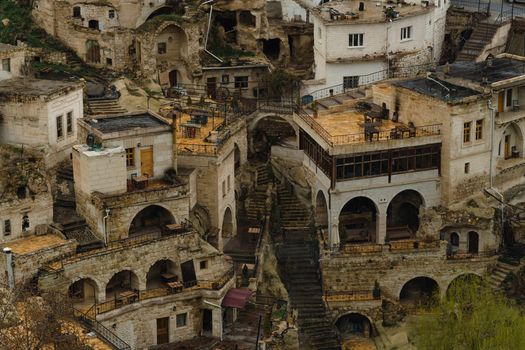
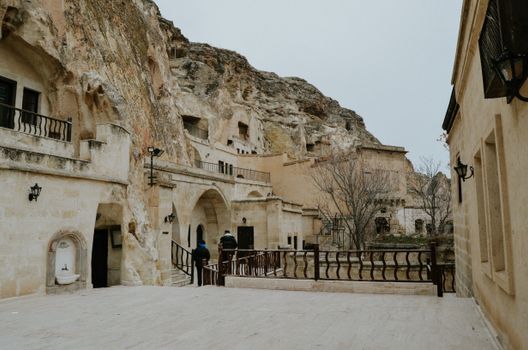
There’s something inherently primal and incredibly comforting about being enveloped by the earth. Cave hotels tap into this ancient allure, transforming natural or man-made caverns into surprisingly luxurious and utterly unique living spaces. Forget any notions of damp, dark holes; these are architectural masterpieces, often preserving the historical integrity of their surroundings while offering modern comforts.
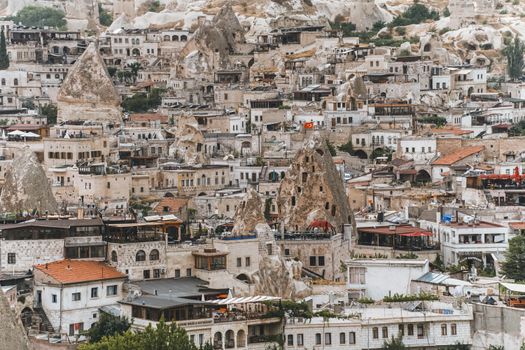
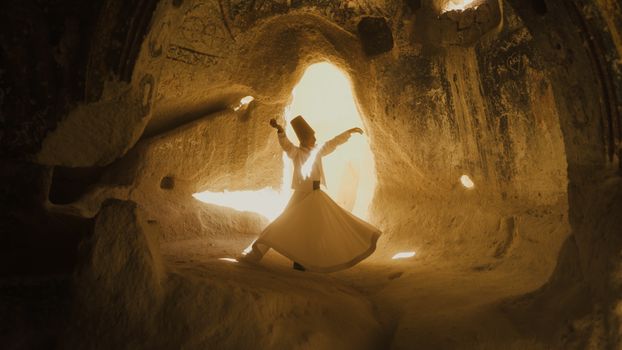
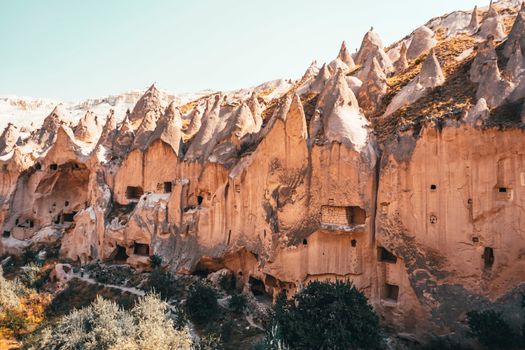
My first foray into cave dwelling was in Cappadocia, Turkey. I'd seen the pictures of the fairy chimneys and hot air balloons, but nothing prepared me for the sensation of stepping into my room at Museum Hotel in Uchisar. The air was naturally cool, a welcome respite from the Anatolian sun. The walls, carved from ancient rock, bore the smooth, organic curves of millennia. My particular suite, I later learned, was once a Byzantine dwelling, and the feeling of sleeping within history was profound. There was no need for air conditioning; the natural insulation kept the temperature perfectly regulated. The silence, broken only by the gentle rustle of the wind outside, was unparalleled. Waking up to a panoramic view of the valleys from my cave window, with hot air balloons dotting the sunrise sky, was a moment I'll never forget.
Where to Dig Deeper (and Stay):
- Cappadocia, Turkey: This region is the undisputed king of cave hotels. Beyond Museum Hotel (expect to pay $300-$800+ per night depending on the suite and season for a luxury experience), consider Argos in Cappadocia (from $250/night), known for its sprawling underground tunnels and exquisite views, or the more boutique Sultan Cave Suites (from $150/night), famous for its iconic breakfast terrace.
- Matera, Italy: A UNESCO World Heritage site, Matera's Sassi (ancient cave dwellings) have been beautifully restored. Sextantio Le Grotte della Civita (from $350/night) is a masterpiece of minimalist luxury, preserving the raw beauty of the caves while offering an almost monastic sense of peace. Each room is a unique cave, lit by candles at night, offering an incredibly atmospheric stay.
- Coober Pedy, Australia: Known as the "Opal Capital of the World," much of this town is built underground to escape the scorching desert heat. The Desert Cave Hotel (from $150/night) allows you to experience underground living firsthand, complete with subterranean shops and a bar. It's less about ancient luxury and more about an authentic, quirky experience of life beneath the surface.
Practical Tips for Cave Dwellers:
* Embrace the Earth: The natural environment means unique acoustics and sometimes a slight earthy scent. It's part of the charm!
* Pack Layers: While naturally cool, some cave rooms can feel a bit chilly at night, especially in regions with temperature fluctuations.
* Connectivity: While many offer Wi-Fi, remember you're often in thick rock. Don't expect perfect signal everywhere, and lean into the digital detox.
* Check Accessibility: Some cave hotels involve stairs and uneven surfaces. Inquire if mobility is a concern.
Canopy Dreams: Ascending to the Serenity of Treehouse Hotels
Remember building tree forts as a kid? Treehouse hotels are the grown-up, infinitely more luxurious, and often breathtakingly engineered versions of those childhood fantasies. Perched high above the forest floor, these accommodations offer unparalleled immersion in nature, often with panoramic views and the soothing sounds of the wilderness as your lullaby.
My own adventure among the branches took me to Treehotel in Harads, Sweden. It was a chilly autumn morning when I arrived, and the crisp Scandinavian air was invigorating. Choosing between the iconic Mirrorcube, the whimsical Bird's Nest, and the futuristic UFO was tough, but I settled on the Mirrorcube (from $600/night). Imagine a perfectly camouflaged box, reflective on all sides, seemingly invisible amidst the pines. Stepping inside felt like entering a secret world. The large windows offered a 360-degree view of the forest, making me feel utterly connected to nature, yet perfectly insulated. The only sound was the wind rustling through the leaves and the occasional birdcall. It was pure, unadulterated tranquility, a true escape from the concrete jungle.
Where to Climb Higher (and Stay):
- Harads, Sweden (Treehotel): This is the gold standard for innovative treehouse design. Beyond the Mirrorcube, the Bird's Nest (from $600/night) cleverly blends into its surroundings, while the UFO (from $600/night) offers a truly out-of-this-world experience. Each room is a unique work of art, designed by different architects.
- Costa Rica (Finca Bellavista Treehouse Community): For the eco-conscious adventurer, this off-grid community (from $150-$400/night for various treehouses) is a dream. Accessible by zip line or hike, it's a deep dive into sustainable living amidst the rainforest canopy. Expect rustic charm, incredible wildlife, and a truly immersive experience.
- France (Châteaux dans les Arbres): If you prefer your treehouse with a touch of fairytale luxury, these "castles in the trees" (from $250-$450/night) in the Dordogne region offer stunning, fully equipped treehouses with hot tubs, saunas, and elegant interiors, often resembling miniature chateaux.
- Bali, Indonesia (Sharma Springs Bamboo House at Green Village): While not strictly a "treehouse" in the traditional sense, this incredible multi-story bamboo structure (from $800-$1500/night for the entire house) is built around the natural contours of the land, offering an elevated, open-air living experience that feels like living within a magnificent, living organism.
Practical Tips for Canopy Cruisers:
* Pack Light & Smart: Access to treehouses can sometimes involve stairs, suspension bridges, or even zip lines.
* Bug Spray is Your Friend: You're in nature, after all!
* Embrace the Sounds: The rustling leaves, bird calls, and animal sounds are part of the experience.
* Check for Facilities: Some treehouses are more rustic than others. Confirm bathroom facilities, electricity, and heating/cooling options.
* Eco-Consciousness: Many treehouse resorts are built with sustainability in mind. Be mindful of your environmental footprint.
Crystalline Wonders: Living in a World of Ice
Now, for something truly extreme and utterly magical: hotels carved entirely from ice and snow. These ephemeral masterpieces are rebuilt each year, often with new designs and art suites, making each visit a unique experience. It’s cold, yes, but the warmth of the hospitality, the stunning artistry, and the sheer novelty make it an unforgettable adventure.
My journey to the land of perpetual twilight led me to the original Icehotel in Jukkasjärvi, Sweden. It was a pilgrimage, really. Stepping through the massive ice doors felt like entering a different dimension. The air was crisp, hovering around -5°C (23°F), but the silence was profound, and the light, filtered through the ice, was ethereal. Every corner was an art gallery – intricate sculptures, ice beds carved with delicate patterns, and a majestic ice bar serving drinks in ice glasses.
Sleeping in an art suite (from $400-$1000/night depending on the suite and season) was an experience in itself. They provide expedition-grade sleeping bags, and you sleep on a bed of ice covered with reindeer hides. You wake up to a warm lingonberry juice and a sauna. It sounds daunting, but it’s surprisingly comfortable, and the sensation of being surrounded by frozen art, knowing it will melt away in the spring, is incredibly poetic. It's a testament to human ingenuity and the transient beauty of nature.
Where to Chill Out (and Stay):
- Icehotel, Jukkasjärvi, Sweden: The original and arguably the most famous (from $300-$1000/night). Every year, artists from around the world are invited to design and sculpt the art suites. It also has a permanent "Icehotel 365" section that operates year-round, using solar power to maintain its frozen state.
- Hotel de Glace, Quebec City, Canada: North America's only ice hotel (from $200-$600/night), offering a similar experience to its Swedish counterpart with stunning ice sculptures, an ice bar, and even an ice chapel for weddings. It's rebuilt annually, usually open from January to March.
- Balea Lake Ice Hotel, Romania: Nestled high in the Fagaras Mountains, this smaller, more rustic ice hotel (from $100-$200/night) offers a more intimate and adventurous experience. Access often involves a cable car, adding to the journey. It's a truly off-the-beaten-path ice experience.
Practical Tips for Ice Explorers:
* Layer Up, Seriously: Thermal base layers, fleece, and a good waterproof/windproof outer layer are essential.
* Warm Accessories: Hat, gloves, and warm socks are non-negotiable, even indoors.
* Don't Overdress for Bed: You'll be in an expedition sleeping bag. Too many layers inside can actually make you colder by restricting circulation.
* Charge Electronics: Batteries drain faster in the cold. Keep your phone and camera close to your body.
* Embrace the Cold: It’s part of the adventure. The ice bar, hot tub, and saunas are there for a reason!
Why Now? The Allure of the Undiscovered
You might be thinking, "These sound incredible, but why the rush?" Here's the thing: the travel landscape is evolving. Travelers are increasingly seeking authentic, immersive, and shareable experiences. These unique hotels fit that bill perfectly, but as their popularity grows, so does the demand, the prices, and potentially, the crowds.
- Authenticity: These hotels offer more than just a place to sleep; they offer a story. You're not just staying in a room; you're living within a piece of art, a historical relic, or an ecological marvel.
- Escaping the Crowds: For now, many of these places, especially the more remote or niche ones, offer a sense of peace and exclusivity that's hard to find in mainstream resorts. You can truly connect with your surroundings without hundreds of other tourists vying for the same experience.
- Instagram-Worthy, Naturally: Let's be honest, we all want those stunning photos. A treehouse suspended in a jungle, a cave carved into a cliff, or an ice bar glowing blue – these are backdrops that need no filter. But imagine having those shots before everyone else has them!
- Sustainable Travel: Many of these unique accommodations are pioneers in sustainable tourism, built with minimal environmental impact and often contributing directly to local communities and conservation efforts. By visiting, you're supporting these initiatives.
- Bragging Rights (the good kind): Being able to say you've slept in a genuine cave or an ice palace isn't just a conversation starter; it's a testament to your adventurous spirit and a memory that will last a lifetime.
Planning Your Extraordinary Stay: Practical Advice for Pioneers
Ready to ditch the drab and embrace the daring? Here’s how to make your unique hotel dream a reality:
- Research, Research, Research: Not all cave, tree, or ice hotels are created equal. Read reviews, look at traveler photos (not just the glossy promotional ones), and understand the specific amenities and experiences offered. Some are rustic, some are ultra-luxurious.
- Book Far in Advance: These hotels often have a limited number of unique rooms and are in high demand, especially during peak season. Six months to a year out is not unreasonable for the most sought-after spots.
- Budget Realistically: While some options are surprisingly affordable, many of these unique stays fall into the luxury or experiential travel category. Prices can range from $100 for a basic cave room in a less touristy area to over $1000 per night for a premium art suite in an ice hotel or a multi-room treehouse. Factor in travel costs to often remote locations.
- Consider the "When": Ice hotels are seasonal (typically winter). Treehouses are glorious in spring/summer/fall but can be buggy or chilly. Cave hotels offer natural cooling, perfect for hot climates.
- Pack Smart & Be Prepared:
- Cave Hotels: Good walking shoes (uneven terrain), light layers.
- Treehouse Hotels: Insect repellent, comfortable clothes, perhaps a small backpack for essentials, rain gear depending on climate.
- Ice Hotels: Extreme cold weather gear (thermals, wool socks, waterproof outerwear, hat, gloves).
- Embrace the Unique: These aren't standard hotels. Expect quirks, embrace the natural elements, and be open to an experience that might push you slightly out of your comfort zone in the best possible way.
- Capture the Moment (Responsibly): These places are incredibly photogenic. Bring your best camera gear, but also remember to put it down and simply soak in the atmosphere. Share your experiences on social media using relevant hashtags like #TripsoraAdventures #UniqueHotels #BucketListTravel to inspire others!
Your Next Unforgettable Story Awaits
The world is full of "just fine" places. But for those of us who crave more, who seek experiences that resonate deep within our souls, these incredible cave, tree, and ice hotels offer a gateway to the extraordinary. They are testaments to human creativity, a celebration of nature, and a reminder that travel can be so much more than just a change of scenery.
Don't wait until these unique stays are merely another checkbox on everyone's itinerary. Be a pioneer. Be the one who tells the stories of sleeping under the earth, among the leaves, or within walls of ice. The mainstream is coming, but for now, the magic is yours to discover.
Which adventure will you embark on first? Share your dreams in the comments below, and let's inspire each other to explore beyond the ordinary!
---