Beyond the Map: Hiking to Europe's Hidden Villages Locals Wish Stayed Secret
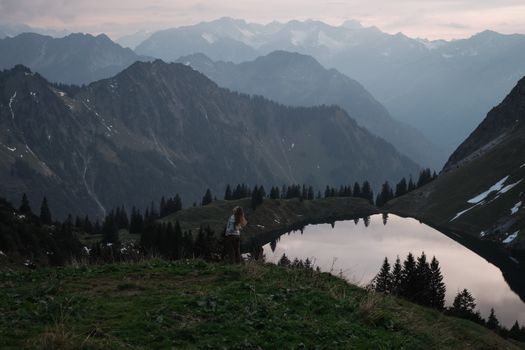
The air was thin, carrying the scent of pine and damp earth. My boots crunched rhythmically on a path barely wider than my shoulders, winding through an ancient forest. I’d been hiking for hours, following a faded, hand-drawn map given to me by a taciturn old man in a remote Swiss valley. He’d looked at me with a mix of suspicion and intrigue, eventually pointing to a barely visible trace on the paper. “Là, si tu cherches la vraie paix,” he’d murmured, “mais ne dis à personne.” (There, if you seek true peace, but tell no one.)
And then, through a break in the trees, it appeared. Not on any tourist brochure, not mentioned in any guide book I’d ever seen. A cluster of weathered wooden chalets, smoke curling lazily from stone chimneys, nestled into a natural amphitheater of towering peaks. No cars, no souvenir shops, just the distant clang of a cowbell and the murmur of a stream. It was a village frozen in time, a living postcard from a bygone era, and for a fleeting moment, I felt like the only person on Earth to have ever discovered it.
That, my friends, is the magic of the hidden village. The thrill of the chase, the reward of authentic discovery, and the profound sense of connection to a place that has stubbornly resisted the relentless march of modernity. These aren't just pretty spots; they're living museums, bastions of tradition, and the soul of a region. And yes, locals often prefer to keep them that way – untouched, serene, and free from the gaze of mass tourism. But for the respectful, adventurous soul willing to lace up their boots and earn the journey, these secrets are waiting.
Are you ready to trade the selfie sticks for solitude, the bustling plazas for quiet cobblestones, and the well-trodden paths for trails that whisper forgotten stories? Then read on.
The Lure of the Unseen: Why Go Off-Grid?
In a world saturated with information, where every "hidden gem" is just a Google search away, true discovery feels like a rare commodity. We scroll through endless Instagram feeds, seeing the same iconic landmarks, the same curated experiences. But what if you yearn for something more? Something raw, unfiltered, and genuinely unique?
That's the siren song of the hidden village. These aren't places designed for tourists; they simply are. Their charm lies in their authenticity – the way life has unfolded there for centuries, largely undisturbed. You won't find bustling markets hawking cheap trinkets, but perhaps a small, family-run shop selling local honey or hand-knitted wool. You won't hear a cacophony of languages, but the gentle cadence of local dialect.
For me, it’s about the feeling of stepping back in time, of being a temporary guest in a world that operates on different rhythms. It’s the quiet satisfaction of earning your view, your meal, your interaction. It’s about the genuine smiles of people who aren't jaded by endless streams of visitors, but who might share a moment, a story, or even a glass of homemade wine, simply because you've shown respect and curiosity. It’s an escape from the relentless pace of modern life, a chance to truly disconnect and immerse yourself in the present moment, surrounded by breathtaking natural beauty and centuries of human history.
Preparing for the Journey: More Than Just Boots and a Backpack
Embarking on a quest for hidden villages isn't like booking a city break. It requires preparation, respect, and a healthy dose of humility.
1. Physical & Mental Fortitude:
Many of these villages are "hidden" for a reason – they're often nestled deep in challenging terrain. Don't underestimate the trails.
* Fitness: Be realistic about your physical condition. Most trails will involve significant elevation gain and uneven surfaces. Start training with longer walks and inclines weeks before your trip.
* Navigation: Cell service is often non-existent. Invest in a good physical map (and know how to read it!), a compass, and a reliable GPS device or app with offline maps. Always download your route beforehand.
* Flexibility: Things might not go to plan. Trails can be overgrown, weather can change rapidly, or you might simply get lost. Embrace the unexpected; it’s part of the adventure.
2. Essential Gear for the Trail:
Your packing list needs to be robust.
* Footwear: Sturdy, waterproof hiking boots are non-negotiable. Break them in well before you go.
* Layers: Mountain weather is fickle. Pack moisture-wicking base layers, insulating mid-layers, and a waterproof/windproof outer shell.
* Backpack: A comfortable, well-fitting daypack (or multi-day pack if staying overnight) is crucial.
* Water & Food: Carry more water than you think you’ll need, and high-energy snacks. Options for resupply might be sparse.
* Safety: First-aid kit, headlamp, multi-tool, whistle, sun protection.
* Photography: A camera, but remember the golden rule: ask permission before photographing people, especially in small communities.
3. The Unwritten Rules: Respect Above All:
This is perhaps the most critical preparation. You are entering someone's home, their sanctuary.
* Learn Basic Phrases: Even "Hello," "Thank you," and "Please" in the local language goes a long way. It shows effort and respect.
* Dress Modestly: Especially in more traditional communities.
* Be Unobtrusive: Keep noise levels down. Don't wander into private gardens or properties.
* Support Local: If there's a tiny shop or a family-run eatery, spend your money there. It helps sustain their way of life.
* Leave No Trace: Pack out everything you pack in. Don't disturb wildlife or natural environments.
* Observe & Listen: Rather than demanding attention, take time to simply observe local life. You'll learn more.
* Ask Permission: Before taking photos of people or their homes. A simple gesture often suffices.
My Top Picks: Trails to Europe's Secret Sanctuaries
Over the years, I've had the privilege of stumbling upon (and sometimes painstakingly searching for) some truly magical places. Here are a few that still hold a special place in my memory, offering a glimpse into what you might discover. Remember, the true joy is in finding your own secret.
1. The Valle Maira, Piedmont, Italy: Echoes of Occitan
The Trail:
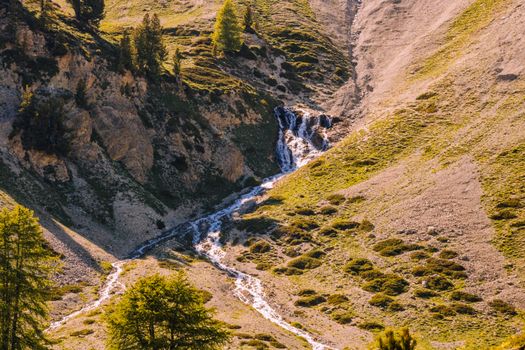
Deep in the southwestern Alps of Italy, bordering France, lies the Valle Maira. This valley is a network of ancient mule tracks, shepherd's paths, and military roads, often tracing along steep mountainsides, through fragrant larch forests, and across alpine meadows dotted with wild flowers. The trails are moderately challenging, with significant ascents, but incredibly rewarding. I started one particular journey from a small hamlet near Acceglio, following a path that wound upwards for nearly 4 hours, marked only by faint red paint on rocks.
The Village: Borgata Viviere
My destination was Borgata Viviere, a collection of beautifully restored stone houses. What makes Viviere special is its dedication to preserving the Occitan language and culture, a linguistic minority in Italy. When I arrived, breathless but exhilarated, the silence was profound, broken only by the wind and a distant cowbell. The air was crisp, carrying the scent of woodsmoke and wild thyme. There’s a wonderful rifugio (mountain hut) here, Rifugio Viviere, run by a passionate family who are custodians of the village's heritage.
My Anecdote:
I remember sitting on a stone bench outside the Rifugio, sipping a strong espresso, when an elderly woman emerged from a nearby house, her hands gnarled from years of work. She spoke to me in Occitan, and though I understood little, her gestures and warm smile conveyed a welcome that transcended language. Later, the Rifugio owner, Marco, explained the history of the valley, how it had been depopulated, and how a few determined individuals were bringing it back to life, one stone house at a time. The evening meal was a simple but unforgettable affair: homemade pasta, local cheeses, and a robust red wine, shared around a communal table with other hikers and a few locals. The cost for a hearty dinner and a bed in the shared dorm was around €45-55.
Practical Tips:
The best time to visit is late spring to early autumn (June-September). Trails can be snow-covered outside these months. Access is via car to the starting points of various trails; public transport is very limited. Local maps are essential, as signage can be sparse. Booking the Rifugio in advance is highly recommended.
2. The Picos de Europa, Asturias, Spain: Stone Villages and Cider
The Trail:
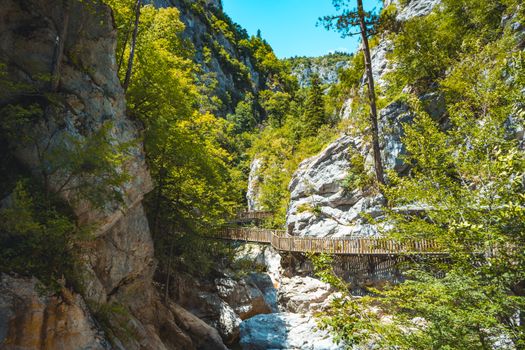
The Picos de Europa, a dramatic limestone mountain range in northern Spain, is a hiker’s paradise. Many of its most remote villages are only accessible on foot. I once took a trail beginning near Poncebos, a well-known starting point for the Cares Gorge, but quickly diverted onto a steeper, less-traveled path. It was a relentless uphill climb, following what felt like an ancient mule track carved into the rock face, sometimes passing through tunnels and often offering dizzying views of the valley below. The path was narrow, rocky, and demanded full attention.
The Village: Sotres (and beyond)
While Sotres is now more accessible by road, venturing deeper into the valleys beyond it, or approaching it from less common routes, still offers a sense of profound discovery. Imagine a village of sturdy stone houses, clinging to a mountainside, where hardy mountain folk make Cabrales cheese in natural caves. The air here is often cool and damp, even in summer, and the smell of fermenting cheese hangs faintly. My ultimate goal on that trip was a tiny aldea (hamlet) called Las Vegas de Sotres, a truly remote cluster of dwellings even further up the valley, where only a few families remain.
My Anecdote:
Arriving in Sotres after a grueling 5-hour hike, I was parched. I stumbled into the first sidrería (cider house) I saw. The owner, a grizzled man with a twinkle in his eye, expertly poured me a glass of local cider, aerating it from a height in the traditional Asturian way. He asked, in broken Spanish, where I’d come from. When I pointed to the faint trail winding up the mountain, his eyes widened slightly. "You came that way? Valiente!" he chuckled, and refused to let me pay for the cider. Later, in Las Vegas de Sotres, I saw a woman milking goats by hand, just as her ancestors had done for centuries. It was a fleeting, beautiful glimpse into a life utterly disconnected from the modern world. A simple meal of fabada asturiana (bean stew) and more cider in Sotres cost about €15-20.
Practical Tips:
Summer (July-August) offers the best weather but can still be prone to sudden storms. Spring and autumn are beautiful but colder. Always carry rain gear. Some local guides offer treks to these truly hidden spots; this can be invaluable for safety and cultural insight. Consider staying in a casa rural (rural guesthouse) in Sotres for around €50-70 a night.
3. The Rhodope Mountains, Bulgaria: Lost in Time
The Trail:
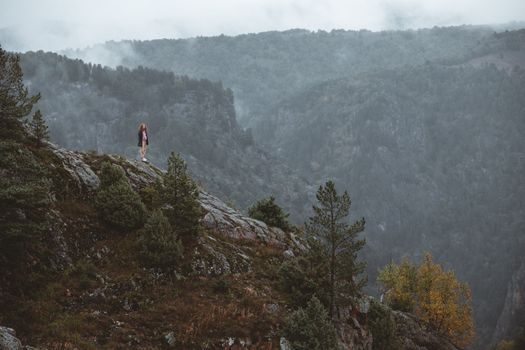
The Rhodope Mountains, straddling Bulgaria and Greece, are a land of ancient forests, deep gorges, and scattered, traditional villages. Many trails here are less maintained than in Western Europe, often following old logging tracks or shepherd paths. I once embarked on a multi-day trek starting from Shiroka Laka, a well-known architectural reserve, but quickly veered off towards the less-trodden paths leading south. The trail was a mix of forest paths, open meadows, and rocky ascents, sometimes marked by faded red blazes, sometimes relying on intuition and a good map. The silence was absolute, broken only by birdsong and the rustle of leaves.
The Village: Gela (and its tiny neighbours)
While Gela is known for its annual bagpipe festival, outside of that event, it's a quiet, traditional village. But it’s the truly tiny, almost forgotten hamlets surrounding Gela – places like Koshnitsa or tiny, unnamed clusters of houses – that truly capture the magic. Here, houses are built from stone and wood, often with intricate carvings. Life moves at a glacial pace, dictated by the seasons and the demands of farming.
My Anecdote:
After a long day of hiking, I found myself in a tiny cluster of houses, perhaps five in total, nestled deep in a valley near Gela. An elderly couple sat on their porch, watching the sunset. I greeted them in my rudimentary Bulgarian. They invited me to share their simple meal of fresh bread, homemade cheese, and a potent fruit brandy (rakia). We communicated mostly through gestures and smiles, but their hospitality was boundless. The husband, a shepherd, showed me his flock and explained, through his wife’s translated words, the challenges of mountain life. It was a profound connection, a reminder that generosity transcends language barriers. There was no official guesthouse, but they offered me a corner of their simple home for the night. I left a generous sum, which they initially refused, but eventually accepted with heartfelt thanks.
Practical Tips:
The Rhodopes are beautiful year-round, but summer (June-August) offers the best hiking conditions. Be prepared for cooler evenings even then. Learn some basic Bulgarian. Finding accommodation in the truly hidden villages might mean relying on the generosity of locals (always be respectful and offer payment) or carrying a tent. Food and supplies are incredibly cheap, a simple meal might cost €5-10.
4. The Apennine Mountains, Abruzzo, Italy: Abruzzo's Silent Hamlets
The Trail:
The central Apennine Mountains, particularly in the Abruzzo region of Italy, are a rugged and often overlooked gem. This area is home to national parks and some of Italy's highest peaks outside the Alps. The trails here range from gentle pastoral walks to challenging scrambles, often following ancient transhumance routes (paths for moving livestock). I once embarked on a trail from Santo Stefano di Sessanio, bypassing the more popular routes, and heading towards the Gran Sasso massif. The path was initially well-defined but gradually became a faint track, weaving through high pastures where wild horses roamed, and past abandoned stone shepherd huts.
The Village: Castel del Monte (and its lesser-known frazioni)
While Castel del Monte itself is a beautiful, well-preserved medieval village, it's the even smaller, almost forgotten frazioni (hamlets) scattered around it that truly feel like stepping into another century. These are tiny clusters of stone houses, often perched precariously on hillsides, with only a handful of elderly residents. Places like Frazione Ripa or Frazione Calascio Vecchio (distinct from the more famous Rocca Calascio castle) offer this sense of profound stillness.
My Anecdote:
I remember reaching a particularly small hamlet, perhaps just ten houses, after a challenging 6-hour hike. The only sound was the wind whistling through the narrow alleyways. A woman, her face a roadmap of life, sat outside her door shelling peas. She looked up, startled, but then smiled warmly. She offered me a glass of cool water from her well and a handful of freshly picked cherries. We chatted in broken Italian, mostly about the weather and the beauty of the mountains. She told me how her family had lived in that same house for generations, and how life was hard, but good. There was no restaurant, no shop, just her simple generosity. I left her a small gift of chocolate I’d carried, and a heartfelt thank you. A basic guesthouse in Castel del Monte might cost €50-70, but deeper in the mountains, options are non-existent.
Practical Tips:
Spring (May-June) and autumn (September-October) are ideal, with wildflowers or vibrant foliage. Summers can be hot, and winters bring heavy snow. Always carry enough food and water for the entire day. Many villages are very isolated, so having your own transport to reach trailheads is almost essential.
The Unwritten Rules: How to Be a Welcome Guest, Not an Intrusive Tourist
Remember that old man in Switzerland? His initial suspicion wasn't unfounded. Many of these communities have seen their way of life eroded by mass tourism, or simply prefer their quiet existence. Your goal isn't to "discover" them and then "share" them widely on social media, but to experience them respectfully and leave no trace – physical or cultural.
- Silence is Golden: These places are sanctuaries of peace. Keep your voice down, especially in narrow streets. Avoid loud music or boisterous conversations.
- Ask Before You Click: That picturesque old woman or the local farmer? Their faces aren't public property. Always ask permission before taking photos, and respect a "no." A smile and a gesture often work wonders.
- Support Local, Genuinely: If there's a small family-run tavern, eat there. If someone is selling homemade cheese or crafts, buy them. Your money directly supports their traditional way of life, helping them stay in their village.
- Leave No Trace, Literally: Carry out everything you carry in, including organic waste like fruit peels. Stick to marked paths to protect delicate ecosystems. Don't pick wildflowers or disturb ancient stones.
- Learn & Respect Customs: Observe how locals interact. Are women more reserved? Do men greet each other a certain way? Adapt your behavior. If you see a local celebration, enjoy it from a respectful distance, don't barge in.
- Be Humble, Be Patient: You are a guest. Don't expect things to operate on your schedule. Embrace the slower pace. A genuine smile and an open heart are your best currency.
Beyond the Photos: The True Value of Hidden Villages
The photos you take of these hidden villages will be stunning, no doubt. But the true treasures aren't captured by a lens. They're etched into your memory: the taste of freshly baked bread shared with a stranger, the warmth of a fire in a mountain hut, the profound silence of a starlit night, the feeling of utter contentment after a challenging hike, or the simple joy of a shared smile.
These journeys offer a rare chance for true cultural immersion, a connection to a way of life that is rapidly disappearing. They challenge you physically and mentally, pushing you beyond your comfort zone and rewarding you with unparalleled beauty and human connection. You’ll return not just with souvenirs, but with stories, perspective, and a deeper appreciation for the delicate balance between discovery and preservation. You'll understand why locals might want to keep these places secret, and you'll become a silent guardian of their magic.
So, are you ready to trade the crowds for quiet, the guidebooks for intuition, and the well-worn path for the whisper of a forgotten trail? Are you ready to earn your discovery and become a respectful custodian of Europe's most cherished secrets?
The mountains are calling. Go find your own hidden village. And when you do, cherish it, respect it, and perhaps, keep its deepest secrets close to your heart.
---