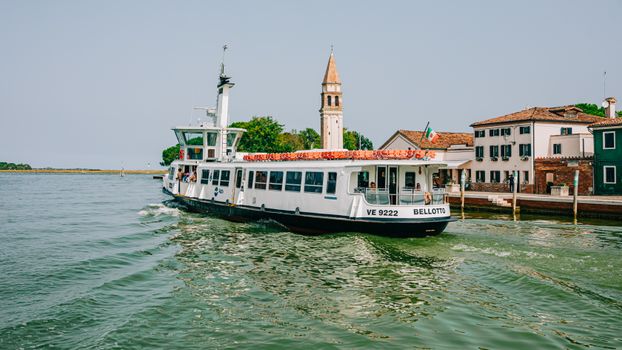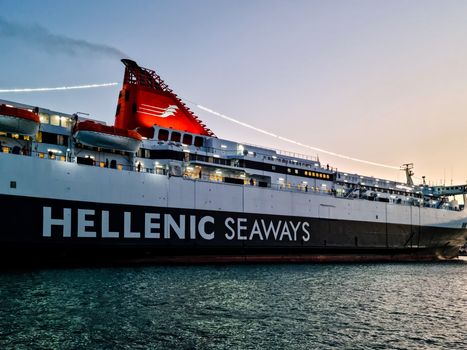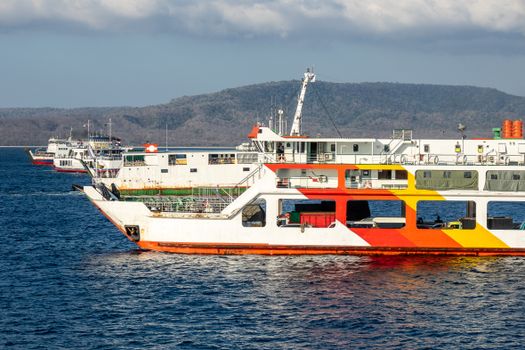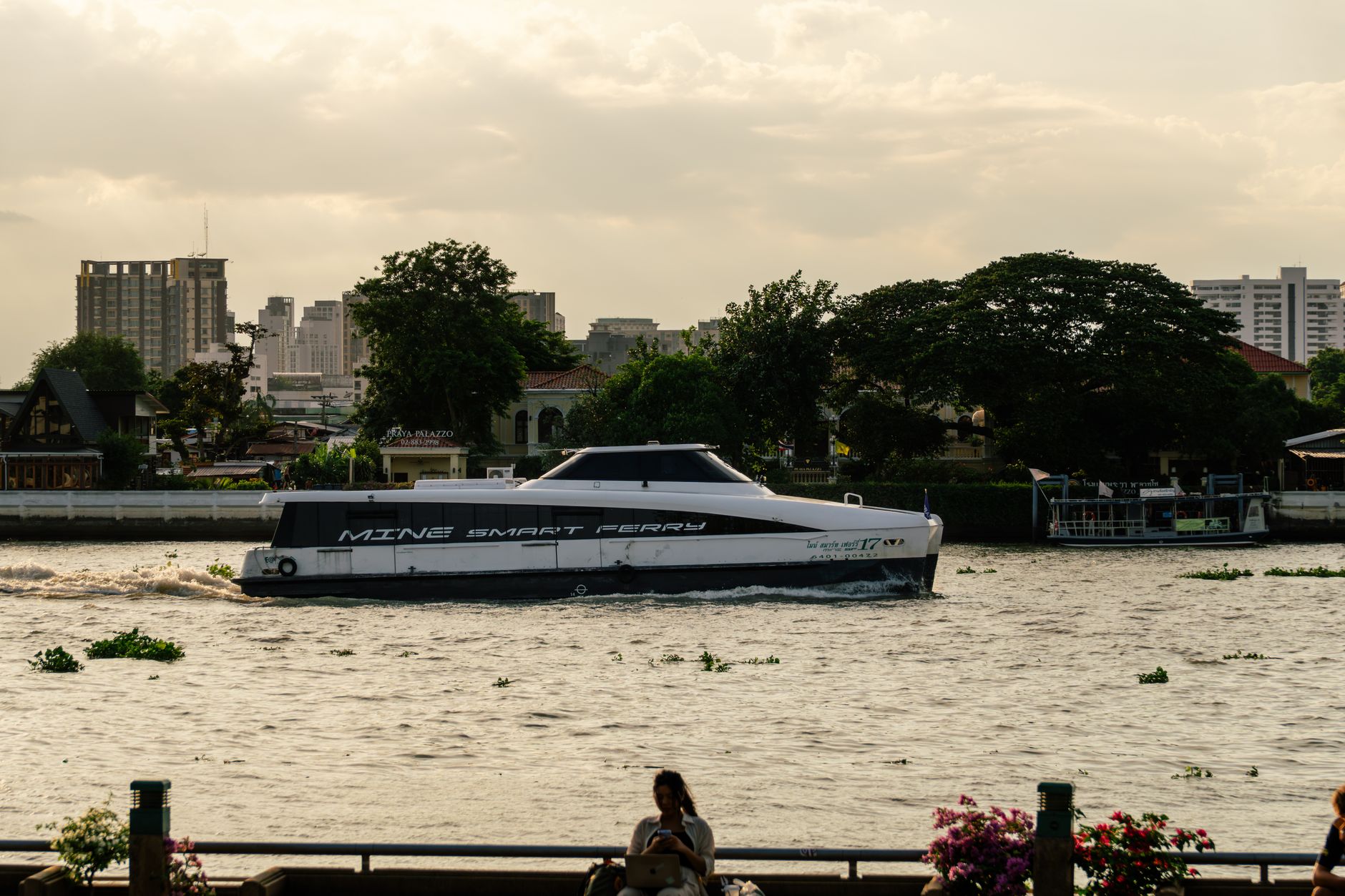
The Electric Tide is Turning: Island Travel, Reimagined for March 2026
I stepped off the train in a small coastal town, the salty tang of the sea already a promise of adventure. But my usual anticipation was tinged with a familiar dread: the cacophony of diesel engines, the faint smell of exhaust, the rumble of a ferry that felt more like a workhorse than a gateway to paradise. This was the reality of island hopping for so long. Until now. By March 2026, a seismic shift is underway, powered by silent, sleek, and revolutionary electric ferry networks. This isn't just an upgrade; it's a complete reimagining of how we connect with our beloved islands.
The Silent Revolution: Why Electric Ferries are a Game-Changer
For years, the dream of effortless island exploration has been hampered by the environmental and experiential drawbacks of traditional ferry travel. Those days are rapidly fading. The advent of advanced battery technology, coupled with a global push for sustainability, has paved the way for a new era of maritime transport. Electric ferries offer a trifecta of benefits: environmental responsibility, enhanced passenger experience, and improved operational efficiency.
Environmental Impact: Breathing Easy on Board
This is, without a doubt, the most significant advantage. Traditional ferries are often significant contributors to air and noise pollution. Electric ferries, on the other hand, produce zero direct emissions. This means cleaner air for coastal communities, healthier marine ecosystems, and a significantly reduced carbon footprint for your travels. Imagine sailing past dolphins without a whisper of engine noise, the only sound the gentle lapping of waves against the hull. It’s not just good for the planet; it’s profoundly good for your soul.
Passenger Experience: Serenity at Sea
The difference is palpable. The jarring vibrations and constant drone of diesel engines are replaced by a near-silent glide. This tranquility transforms the journey itself into an integral part of the island experience. You can actually hear the sea spray, converse with your travel companions without shouting, and enjoy panoramic views without the intrusive hum. For many, this is the most immediate and delightful transformation.
Operational Efficiency: Smarter, Smoother Journeys
Beyond the passenger comfort and environmental benefits, electric ferries often boast lower running costs due to reduced fuel expenses and simpler maintenance requirements (fewer moving parts). This can translate into more competitive ticket prices and more frequent service, ultimately making island hopping more accessible.
March 2026: The Tipping Point for Island Connectivity
While electric ferry prototypes have been around for a while, March 2026 marks a significant acceleration in their deployment. We’re moving beyond pilot projects to established, integrated networks. This means more routes, more frequent sailings, and a more seamless travel experience across popular island archipelagos and emerging destinations.
Emerging Hotspots: Islands Embracing the Electric Wave
Several regions are already at the forefront of this revolution. Think of the Aegean Sea, where Greece is rapidly electrifying its island routes, connecting historic ports with modern, sustainable vessels. Or consider the Norwegian Fjords, where electric ferries are not only reducing emissions in pristine natural landscapes but also enhancing the breathtaking views with their silent operation.
Pro-Tip:
Keep an eye on the Scottish Isles. They are investing heavily in green transport, and by March 2026, you can expect a significantly upgraded, eco-friendly ferry experience connecting Skye, the Outer Hebrides, and beyond.
Navigating the Future: What to Expect from Electric Ferry Networks
The transition isn't just about swapping out old boats for new ones. It involves a holistic approach to maritime infrastructure.
Charging Infrastructure: The Unsung Hero
Just like your electric car, electric ferries need to charge. Ports are being retrofitted with high-speed charging stations, often powered by renewable energy sources like solar and wind. This ensures that the entire energy chain is as green as possible.
Route Optimization & Smart Technology
These new networks are often built with smart technology at their core. Expect apps that provide real-time updates on ferry schedules, charging status, and even predict optimal sailing times to minimize energy consumption. This level of integration makes planning your island-hopping adventure smoother than ever.
The 'Quiet Commute' Phenomenon
In areas with high commuter traffic, the shift to electric ferries is already creating a noticeable change. The morning "rush hour" on the water is becoming a serene experience, allowing residents and visitors alike to start their day with a sense of calm.
Beyond the Hype: Real-World Impacts and Insider Insights
This isn't just about shiny new technology; it's about tangible improvements to the travel experience.
Taste of the Islands: A Cleaner Journey to Culinary Delights
Imagine arriving on a Greek island, the scent of wild thyme and grilled octopus already teasing your senses. With electric ferries, you arrive feeling more connected to the natural beauty that cultivates these flavors. The journey itself becomes a palate cleanser, preparing you for the authentic tastes that await.
Insider Tip:
Look for ferry operators that highlight their sustainability credentials. Many are now partnering with local eco-initiatives, offering discounts or experiences to passengers who arrive via their electric fleet.
Architectural Whispers: A Quieter Appreciation
When you disembark from a silent ferry onto an island known for its whitewashed villages clinging to hillsides, the experience is amplified. The absence of engine noise allows you to better appreciate the gentle murmur of village life, the distant bleating of goats, and the subtle architectural details that tell stories of centuries past.
Pro-Tip:
For a truly immersive experience, book a ferry that docks at a smaller, less-trafficked harbor. These often offer the most authentic introduction to an island's charm.
Planning Your Electric Island Escape: Quick Facts for March 2026
| Feature | Details |
| :------------------- | :--------------------------------------------------------------------------------------------------------------------------------------- |
| Estimated Cost | Varies by route, but often comparable to or slightly higher than traditional ferries initially, with potential for future cost savings. Expect $15-$50 per leg for medium distances. |
| Best Time to Visit | Spring (April-May) & Autumn (September-October): Pleasant weather, fewer crowds, and ideal for experiencing the tranquility of electric travel. March 2026 is a prime time to witness the full rollout. |
| How to Get There | Accessible via major coastal airports and train stations. Many electric ferry hubs are located in well-connected port cities. Research specific island networks for direct access points. |
| Key Regions | Aegean Islands (Greece), Norwegian Fjords, Scottish Isles, Caribbean archipelagos (emerging), Southeast Asian island chains (emerging). |
| Booking Tips | Book in advance, especially for popular routes during peak season. Look for operators with integrated booking platforms and real-time tracking. |
The Future is Electric, and It's Calling You to the Islands
March 2026 isn't just a date on the calendar; it's a marker for a significant evolution in how we explore our planet's most enchanting island getaways. The quiet hum of electric motors is the soundtrack to a more sustainable, more serene, and more connected future of travel.
The Bottom Line:
If you've ever dreamt of island hopping without the environmental guilt or the sensory overload, your time is now. The revolution is happening, and it’s gliding silently towards you. Embrace the change, breathe in the clean sea air, and discover the islands anew.