The sun dipped below the horizon, painting the sky in fiery hues of orange and purple over the ancient rooftops of Gjirokastër, Albania. I was sipping raki with an elderly local named Agim, whose weathered face held a thousand stories. "You know," he chuckled, "we like you foreigners. You bring life. But please," he leaned in conspiratorially, "don't tell everyone about our little secret. We like it just the way it is."
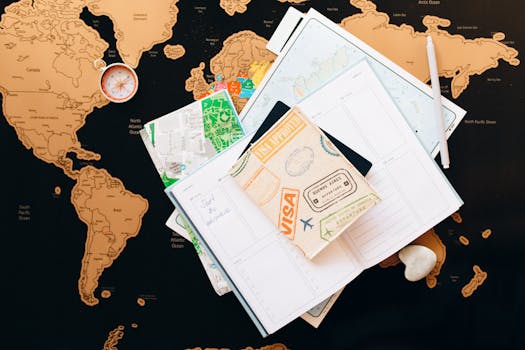
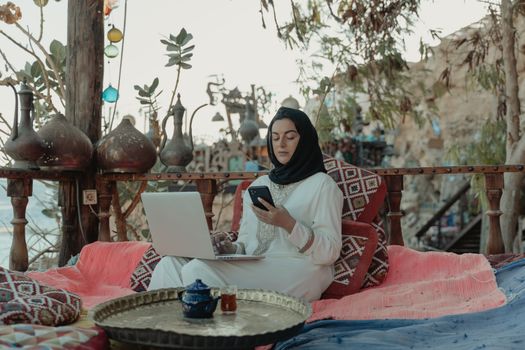
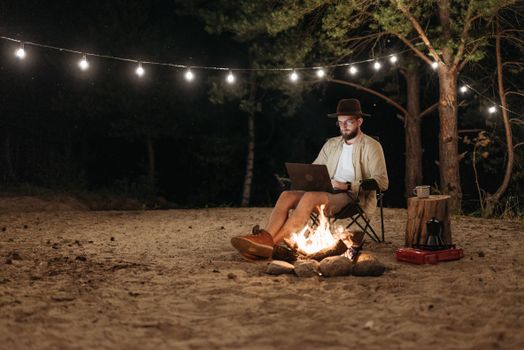
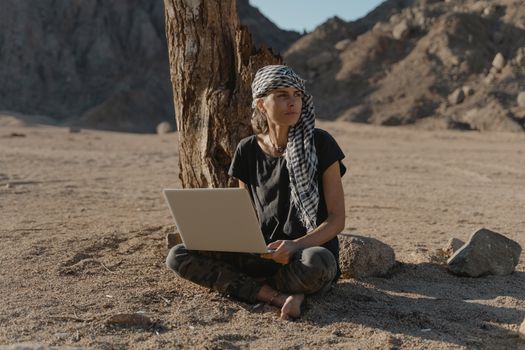
That moment stuck with me. As a travel blogger for Tripsora, I’ve seen the world, from the bustling streets of Bangkok to the serene fjords of Norway. But lately, my quest has been different: to find those truly authentic, off-the-beaten-path destinations where the digital nomad dream isn't just possible, but thrives – places where the local culture is still vibrant, the cost of living is manageable, and a long-term stay feels less like a vacation and more like building a life.
And here's the kicker: many of these places now offer specific digital nomad visas. But unlike the well-trodden paths of Lisbon or Medellín, these destinations are still flying under the radar. They're the kind of places locals cherish, hoping they remain just a little bit untouched. And today, I'm going to share some of their "secrets" with you.
This isn't just about finding a place to work remotely; it's about integrating, experiencing a culture deeply, and becoming part of a community before the masses descend. Ready to uncover these hidden gems? Let's dive in.
---
1. Albania: The Balkan Beauty Guarding Its Pristine Shores
My conversation with Agim wasn't just a charming anecdote; it was a genuine sentiment I felt throughout my time in Albania. This small Balkan nation, often overshadowed by its flashier neighbors, is a treasure trove of rugged mountains, pristine beaches, and ancient history. And yes, they now have a digital nomad visa!
Why Locals Might Want to Keep It Secret:
Albania offers an unparalleled blend of affordability, natural beauty, and genuine hospitality. The Ionian coast rivals Greece's best, but without the crowds. The food is fresh, organic, and incredibly cheap. Locals are fiercely proud of their country and its rich, complex history, and while welcoming, they value the preservation of their unique way of life. They’ve seen other European hotspots succumb to over-tourism, and they're keen to avoid that fate.
The Visa Lowdown:
Albania's "National D – Digital Nomad Visa" is relatively new, launched to attract remote workers. It allows you to stay for up to one year, with the possibility of renewal.
* Requirements: Proof of remote employment (or self-employment), minimum monthly income (around €900-€1000, though this can fluctuate), health insurance, and a clean criminal record. The application process typically starts at an Albanian embassy or consulate in your home country.
* Cost of Living: This is where Albania truly shines. You can rent a modern, one-bedroom apartment in a mid-sized city like Tirana or Durrës for €300-€500 per month. A delicious, sit-down meal at a local restaurant? Expect to pay €5-€10. Groceries for a week might set you back €30-€50.
* Lifestyle & Culture: Albania is a land of contrasts. Tirana is a bustling, colorful capital with a surprisingly vibrant nightlife and café culture. Head south, and you’ll find the Albanian Riviera, with towns like Himarë and Sarandë offering stunning coastal views and relaxed vibes. Inland, cities like Berat and Gjirokastër (both UNESCO sites) offer a step back in time. The internet infrastructure is surprisingly good, especially in cities. Learning a few words of Albanian will go a long way in connecting with locals, who are incredibly warm and eager to share their culture.
* My Anecdote: I spent a month in Himarë, working from a small balcony overlooking the sea. Every morning, I'd grab a byrek (savory pastry) from a local bakery for about €0.50 and sip coffee with the fishermen. One evening, after a long day of coding, I hiked to the Himarë Castle ruins, watching the sunset cast long shadows over the ancient stones. It felt like I had stumbled upon a secret paradise, and I almost didn't want to share it.
* Instagram-Worthy: The "Blue Eye" natural spring, the beaches of Ksamil, the castles of Berat and Gjirokastër, and the vibrant Blloku area in Tirana.
---
2. Colombia: The Land of Eternal Spring and Undiscovered Charms
Colombia has been on the rise for tourists, but its digital nomad visa is still relatively new, meaning the long-term remote worker community is still blossoming outside of a few established hubs. This vast, incredibly diverse country offers everything from Caribbean beaches to Andean peaks, with a culture that pulses with music, dance, and a zest for life.
Why Locals Might Want to Keep It Secret:
Colombians are incredibly proud of their country's transformation and beauty, and while they welcome respectful visitors, they're wary of mass tourism eroding their unique identity. They want people to experience the real Colombia, not just the tourist traps. The digital nomad visa offers a chance for deeper immersion before the mainstream catches on.
The Visa Lowdown:
Colombia launched its digital nomad visa in late 2022. It allows for stays of up to two years.
* Requirements: Proof of employment outside Colombia, a minimum monthly income of at least three times the Colombian minimum wage (which fluctuates but is currently around $700-800 USD, so roughly $2,100-$2,400 USD), health insurance valid for Colombia, and a clean criminal record. The application is primarily online through the Cancillería website.
* Cost of Living: Colombia is remarkably affordable, especially outside of Bogotá and Cartagena. Medellín (the "City of Eternal Spring") is a popular choice, where a nice one-bedroom apartment can be found for $400-$700 USD/month. Groceries are cheap, and eating out at local menu del día spots can cost as little as $3-$5 USD for a full meal.
* Lifestyle & Culture: Colombia is a sensory overload in the best possible way. Salsa music spills from every doorway, the aroma of freshly brewed coffee permeates the air, and the warmth of the people is infectious. Bogotá offers a vibrant urban experience, Medellín boasts perfect weather and innovative public transport, and smaller towns like Salento (coffee region) or Guatapé offer serene escapes. The internet is reliable in major cities.
* My Anecdote: I spent three months in Medellín, living in the Laureles neighborhood. My mornings began with a walk to a local panadería for arepas con queso and a tinto. My coworking space was buzzing with energy, but my evenings were spent practicing salsa in local bars, guided by patient locals who laughed good-naturedly at my two left feet. One weekend, I took a bus to Salento and hiked through coffee plantations, tasting some of the best coffee of my life directly from the source. It was a profound connection to the land and its people.
* Instagram-Worthy: The colorful streets of Comuna 13 in Medellín, the stunning views from El Peñol in Guatapé, the Wax Palms of Cocora Valley, and the historic walled city of Cartagena.
---
3. Romania: Transylvania's Enchanting Call for Remote Workers
Forget the Dracula clichés (mostly). Romania is a country of breathtaking landscapes, medieval towns, and a unique cultural heritage that feels distinctly European yet wonderfully different. Its digital nomad visa is still flying under the radar, offering a chance to explore its depths before it becomes another mainstream destination.
Why Locals Might Want to Keep It Secret:
Romanians are immensely proud of their country's natural beauty, rich history, and traditions. They cherish the slower pace of life in many regions and the strong sense of community. The thought of their ancient castles and pristine Carpathian forests being overrun by mass tourism is a genuine concern, making them appreciate visitors who come to truly experience and respect their culture.
The Visa Lowdown:
Romania's digital nomad visa launched in early 2022, allowing non-EU/EEA citizens to live and work remotely for up to one year, renewable.
* Requirements: Proof of remote employment outside Romania, a minimum monthly income of at least three times the average gross Romanian salary (which translates to roughly €3,300-€3,500 at current rates, so check for updates as this can change), health insurance, and a clean criminal record. The application is usually submitted through a Romanian embassy or consulate.
* Cost of Living: Romania is one of the most affordable countries in the EU. A modern one-bedroom apartment in a charming city like Brașov or Cluj-Napoca can range from €350-€600 per month. Groceries are very reasonable, and a delicious meal at a mid-range restaurant costs €10-€15. Public transport is cheap and efficient.
* Lifestyle & Culture: Imagine working from a café overlooking a medieval square in Brașov, then spending your weekend hiking in the Bucegi Mountains or exploring the painted monasteries of Bucovina. Romania offers a rich tapestry of experiences. Bucharest is a bustling capital with impressive architecture and a vibrant nightlife, while Transylvania offers a more relaxed pace with stunning scenery and historical gems. The internet speed is famously excellent, often among the fastest in Europe.
* My Anecdote: I rented a cozy apartment in Brașov for two months. My morning routine involved a walk through Piata Sfatului (Council Square) to my favorite café, where I’d work surrounded by the gothic spires of the Black Church. One weekend, I took a local bus to the nearby village of Viscri, a UNESCO World Heritage site, and stayed in a traditional guesthouse. I helped the host milk her cows and learned to bake traditional bread. It was an immersion into a way of life that felt centuries old and deeply authentic.
* Instagram-Worthy: Bran Castle (yes, the "Dracula's Castle"), Peles Castle, the medieval streets of Sighișoara, the Transfăgărășan Highway (seasonal), and the vibrant street art of Bucharest.
---
4. Malaysia (DE Rantau Nomad Pass): Beyond the Tourist Hotspots
Malaysia is a well-known travel destination, but its specific "DE Rantau Nomad Pass" is a newer initiative designed to attract digital nomads to specific hubs, encouraging a deeper, more integrated experience rather than just a fleeting visit. This focus allows nomads to discover parts of Malaysia that are less tourist-heavy, where local life truly flourishes.
Why Locals Might Want to Keep It Secret:
While Malaysians are incredibly welcoming, the country sees millions of tourists annually, particularly in places like Kuala Lumpur, Penang, and Langkawi. The DE Rantau program aims to disperse nomads to other, perhaps less-explored cities like Iskandar Puteri or even more local areas within Penang or KL, fostering a more sustainable and less impactful form of tourism that doesn't overwhelm local communities.
The Visa Lowdown:
The DE Rantau Nomad Pass is a specific program for digital nomads, allowing stays of 3 to 12 months, with the possibility of renewal for another 12 months.
* Requirements: Proof of remote work with an annual income of at least $24,000 USD (or equivalent in other currencies), health insurance, and a clean criminal record. The application is entirely online through the Malaysia Digital Economy Corporation (MDEC) portal.
* Cost of Living: Malaysia offers excellent value for money. In cities like Penang or Johor Bahru (near Singapore), a modern one-bedroom apartment can cost $400-$800 USD/month. Food is a highlight – street food is incredibly diverse and cheap (think $2-$5 USD for a delicious meal), and groceries are affordable.
* Lifestyle & Culture: Malaysia is a vibrant melting pot of Malay, Chinese, and Indian cultures, reflected in its food, festivals, and architecture. Kuala Lumpur is a modern metropolis with towering skyscrapers and bustling markets. Penang offers a charming blend of colonial history and incredible street art, along with its legendary food scene. The DE Rantau program specifically encourages nomads to explore designated "digital nomad hubs" that offer good infrastructure and community. Internet is fast and widely available.
* My Anecdote: I spent six months in Penang on a different visa, but the DE Rantau pass would have been perfect. I lived in a quieter neighborhood, not far from George Town's historical center. My favorite afternoon ritual was heading to a local kopitiam (coffee shop) for kopi peng and a plate of char kway teow, chatting with the stall owners who recognized me. One weekend, I volunteered at a local animal shelter, which quickly became my way of connecting beyond the typical expat bubble. These were the moments that truly made Malaysia feel like home.
* Instagram-Worthy: The street art of George Town, the Batu Caves, the Petronas Twin Towers in KL, the pristine beaches of Perhentian Islands (a short flight away), and the vibrant markets of Little India.
---
5. Brazil: The Samba Rhythm of Remote Work
Brazil, a country of continental scale, offers unparalleled natural beauty, vibrant cities, and a culture renowned for its warmth and passion. While Rio de Janeiro and São Paulo are well-known, the sheer size of Brazil means there are countless less-explored regions perfect for digital nomads. Its digital nomad visa is a golden ticket to a truly immersive experience.
Why Locals Might Want to Keep It Secret:
Brazilians are incredibly proud of their diverse landscapes, rich culture, and laid-back lifestyle. They're keen to share their country but also desire to preserve its unique charm. The visa allows for a deeper connection, encouraging nomads to explore beyond the classic tourist routes and integrate into local communities, respecting the rhythm of Brazilian life.
The Visa Lowdown:
Brazil's digital nomad visa (VITEM XIV) was introduced in early 2022, allowing remote workers to stay for up to one year, renewable for an equal period.
* Requirements: Proof of employment/contract with a foreign company, a minimum monthly income of at least $1,500 USD (or a bank balance of $18,000 USD), health insurance, and a clean criminal record. Applications are made at a Brazilian consulate or embassy.
* Cost of Living: Brazil offers a wide range, but generally, it's quite affordable, especially outside of Rio and São Paulo. In cities like Florianópolis (the "Magic Island") or Recife, a one-bedroom apartment can be found for $400-$800 USD/month. Local food is incredibly cheap and delicious, with a prato feito (set lunch) costing $5-$10 USD.
* Lifestyle & Culture: Brazil is a kaleidoscope of experiences. From the Amazon rainforest to the Pantanal wetlands, from the Afro-Brazilian culture of Salvador to the European charm of Curitiba, there's something for everyone. Florianópolis, with its stunning beaches and vibrant tech scene, is becoming a digital nomad favorite. The internet is generally reliable in major cities and tourist areas. Learning Portuguese is highly recommended for deeper immersion.
* My Anecdote: I spent a summer in Florianópolis, drawn by its reputation as an island paradise with a growing tech scene. My days were a perfect blend of work and play – mornings spent coding with a view of Lagoa da Conceição, afternoons surfing at Praia Mole, and evenings enjoying fresh seafood with newfound local friends. I even took samba lessons at a community center, feeling the infectious rhythm seep into my bones. It was a place where I truly felt alive, and many locals I met were surprised (and delighted) that I was there for the long haul, not just a fleeting visit.
* Instagram-Worthy: Christ the Redeemer in Rio, Iguazu Falls, the colorful Pelourinho district in Salvador, the beaches of Florianópolis, and the vibrant street art of São Paulo.
---
6. Cape Verde: The Atlantic's Untouched Archipelago
Off the coast of West Africa, the Cape Verde islands are a hidden gem, a volcanic archipelago blessed with stunning beaches, dramatic landscapes, and a unique blend of African, Portuguese, and Brazilian cultures. Its digital nomad visa is one of the lesser-known, offering an exclusive escape to a truly unspoiled paradise.
Why Locals Might Want to Keep It Secret:
Cape Verdeans cherish their tranquil island life, the soulful "morna" music, and their strong community bonds. While tourism is important, they want to avoid the over-development seen in other island nations, preserving their natural beauty and authentic culture. A digital nomad visa offers a way for respectful, long-term visitors to contribute without overwhelming the delicate balance.
The Visa Lowdown:
Cape Verde offers a "Remote Working Program" visa, initially for six months, extendable for another six months.
* Requirements: Proof of employment outside Cape Verde, a minimum monthly income of €1,500 (or proof of sufficient funds), health insurance, and a clean criminal record. The application is typically online through the official government portal.
* Cost of Living: Cape Verde is surprisingly affordable for an island nation, though some imported goods can be pricier. A one-bedroom apartment in a town like Santa Maria (Sal island) or Mindelo (São Vicente island) can range from €300-€600 per month. Fresh fish is abundant and cheap, and local meals can be found for €5-€10.
* Lifestyle & Culture: Each island has its own distinct personality. Sal is known for its incredible kite-surfing and white-sand beaches. São Vicente is the cultural heart, with vibrant music scenes and colonial architecture. Santo Antão offers dramatic hiking trails through lush valleys. Life moves at a slower pace here, ideal for those seeking tranquility and a deep connection to nature. Internet is available, but can be slower and less reliable than in major continental cities.
* My Anecdote: I spent a month on Sal island, trading my city routine for beach walks and working from a small guesthouse overlooking the turquoise sea. The internet was sometimes spotty, which forced me to truly disconnect and embrace the "no stress" mentality of the locals. I learned a few words of Crioulo, shared grilled fish with fishermen on the pier, and spent evenings listening to live morna music. It was a profound reminder of what truly matters, far away from the hustle and bustle.
* Instagram-Worthy: The salt pans of Pedra de Lume, the vibrant streets of Mindelo, the lunar landscapes of Fogo island, and the stunning beaches of Boa Vista and Sal.
---
Practical Tips for Unlocking Your Secret Nomad Adventure
Venturing into these less-trodden digital nomad paths requires a bit more preparation, but the rewards are immense.
- Do Your Visa Homework: Visa requirements and income thresholds can change. Always check the official government websites or consult with an immigration lawyer for the most up-to-date information for your nationality.
- Embrace the Language: While English is spoken in tourist areas, learning a few phrases in the local language (Albanian, Spanish, Romanian, Malay, Portuguese, Crioulo) will open doors to deeper connections and show respect for the culture. Duolingo and local language classes are your best friends.
- Connectivity Check: Research internet speeds and reliability in your chosen city or region before you commit. While major cities usually have good infrastructure, more remote areas might be a challenge. Consider a local SIM card with a generous data plan.
- Localize Your Finances: Set up a local bank account if possible for easier transactions and to avoid foreign transaction fees. Wise (formerly TransferWise) is excellent for international money transfers.
- Health & Safety: Always secure comprehensive travel health insurance that covers you for the duration of your stay. Research local emergency numbers and healthcare facilities. While these countries are generally safe, always exercise common sense and be aware of your surroundings.
- Find Your Community: Look for local digital nomad groups on Facebook, Meetup, or dedicated forums. Even in less-known spots, there's often a small but welcoming community. But also, make an effort to connect with locals – that's where the true magic happens.
- Sustainable & Respectful Travel: Remember Agim's words. These places are special because they aren't overrun. Be a responsible traveler: support local businesses, minimize your environmental footprint, learn about and respect local customs, and avoid contributing to over-tourism.
---
The Call of the Undiscovered
The world is brimming with incredible places, and the digital nomad movement is evolving. While the popular hubs offer convenience, there’s a profound satisfaction in discovering a place before it hits the mainstream, in truly integrating into a community, and in contributing to a local economy that genuinely appreciates your presence.
These countries aren't just places to work remotely; they're invitations to a different way of life. They offer a chance to witness authentic cultures, explore untouched landscapes, and forge connections that go deeper than any fleeting vacation. They are the secrets worth keeping, and the experiences worth cherishing.
So, which hidden gem will be your next remote office? Will you sip coffee in a medieval Romanian town, dance salsa in Colombia, or feel the Atlantic breeze in Cape Verde? The world is waiting, and these local secrets are ready to be respectfully uncovered.
What's your dream "secret" digital nomad destination? Share your thoughts in the comments below!
---