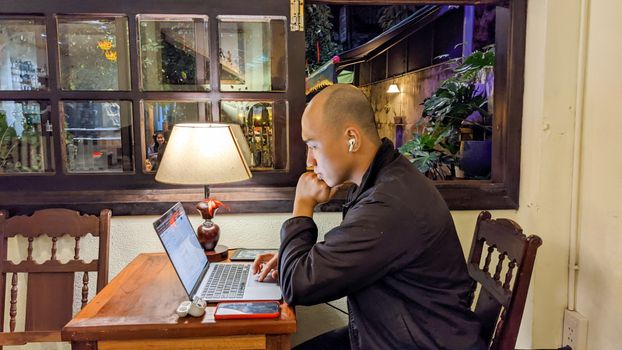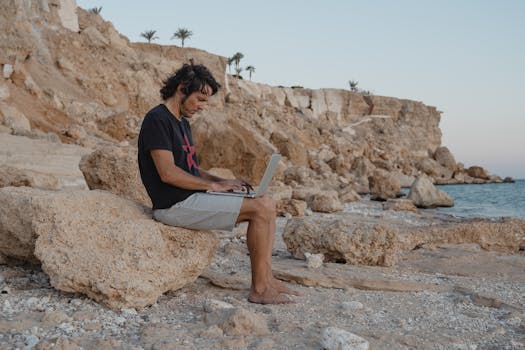
The gentle hum of the coffee machine was a familiar sound, but the view outside my window was anything but. Instead of grey concrete, I was gazing at the turquoise expanse of the Mediterranean, a soft breeze carrying the scent of jasmine through my open balcony door. My laptop was open, a half-finished article on the screen, but my mind kept wandering back to the email I’d received that morning: another hefty tax bill. “There has to be a better way,” I muttered to myself, sipping my espresso. That moment, sitting on a sun-drenched balcony in a small, vibrant town in Southern Europe, was my personal turning point. I realized my freedom to work from anywhere wasn’t just about escaping the office; it was about optimizing my entire lifestyle, including my finances.
The world of remote work has exploded, but what many don't realize is that it's not just about choosing your backdrop; it’s about choosing a financial landscape that works for you. Forget the days when international living meant complex tax nightmares. Today, a growing number of forward-thinking countries are rolling out the red carpet – and significant tax incentives – for digital nomads and remote professionals. They want your skills, your spending, and your vibrant energy. And in return? They offer a chance to keep more of what you earn, all while experiencing a new culture, delicious food, and breathtaking scenery.
I've spent years navigating the globe, laptop in tow, discovering these hidden gems and figuring out the practicalities. And let me tell you, finding a country that actively helps you reduce your tax burden is a game-changer. It’s the difference between merely existing and truly thriving. So, if you're ready to transform your remote work dream into a financially savvy reality, grab your virtual passport. We're about to explore the trending destinations where your income can go further, and your adventures can begin!
1. The UAE (Dubai & Abu Dhabi): Where Zero Tax Meets Limitless Luxury
Let's start with a big one: the United Arab Emirates. When I first heard about the zero personal income tax in places like Dubai and Abu Dhabi, it sounded almost too good to be true. But it’s very real, and it’s why the UAE has become a magnet for high-earning remote professionals and entrepreneurs. This isn't just about saving money; it's about a lifestyle.
Imagine waking up in a futuristic cityscape, where towering skyscrapers pierce the clouds and pristine beaches beckon. Dubai, in particular, has mastered the art of catering to the global elite, and that includes digital nomads. The infrastructure is world-class: lightning-fast internet, luxurious co-working spaces, and an international community that makes networking effortless. I remember attending a tech meet-up in a sleek Dubai Marina high-rise, surrounded by people from every corner of the globe, all drawn by the same opportunities. The energy is palpable, a constant buzz of innovation and ambition.
The Tax Break:
The biggest draw is straightforward: there is no personal income tax in the UAE. This means 100% of your earnings are yours to keep, regardless of where your clients are based.
Eligibility & How to Get There:
The UAE offers a "Virtual Work Programme" visa for remote employees, or you can establish a free zone company (which also comes with 0% corporate tax for many activities) to get a residency visa. Generally, you’ll need a minimum monthly income (e.g., around $3,500-$5,000 USD depending on the visa type) and proof of employment or business ownership. The process is relatively streamlined, reflecting the UAE's business-friendly approach.
Lifestyle & Vibe:
Beyond the financial benefits, Dubai offers an unparalleled lifestyle. Think world-class dining, incredible shopping, desert safaris, and year-round sunshine. Abu Dhabi provides a slightly more cultural and relaxed pace, with stunning mosques and art museums. While the cost of living can be high, particularly for luxury apartments, you can find affordable options, especially if you factor in the massive tax savings. Rent for a good studio or 1-bedroom apartment in a desirable area can range from $1,500-$3,000 USD/month, but remember, every dollar you save on taxes makes that more manageable.
My Take:
The UAE is a powerhouse for those serious about maximizing their income and embracing a high-octane, cosmopolitan lifestyle. It's not for everyone – some find it too polished or lacking in "old-world charm" – but if you thrive in a dynamic, tax-efficient environment, it's an undeniable contender. Plus, the Instagram opportunities are endless, from desert dunes to dazzling cityscapes!
2. Georgia: The 1% Tax Haven for Freelancers and Entrepreneurs
From the glittering modernity of the UAE, let's pivot to the ancient charm and rugged beauty of Georgia. This Eurasian gem has quietly become a digital nomad darling, primarily thanks to its incredibly attractive tax regime for individual entrepreneurs. My first visit to Tbilisi felt like stepping into a fairytale, with its cobbled streets, colorful balconies, and the constant aroma of khachapuri (cheese bread) wafting from bakeries.
Georgia is not just picturesque; it’s incredibly welcoming and surprisingly affordable. The government actively encourages foreign investment and talent, making it remarkably easy to set up shop as a remote worker.
The Tax Break:
This is where it gets exciting for freelancers and solopreneurs. If you register as an "Individual Entrepreneur" (IE) in Georgia and your annual turnover is below a certain threshold (currently 500,000 Georgian Lari, roughly $180,000 USD), you qualify for a 1% flat tax rate on your gross income. Yes, you read that right – 1%! This applies to income earned from most services, making it perfect for consultants, designers, writers, and developers.
Eligibility & How to Get There:
Getting the IE status is relatively straightforward, often taking just a few days. You'll need to open a Georgian bank account and register with the tax authorities. Georgia also offers a "Remotely from Georgia" visa program, allowing citizens from many countries to enter and stay for up to a year, provided they meet income requirements (typically $2,000 USD/month). After 183 days, you can become a tax resident and take advantage of the 1% scheme.
Lifestyle & Vibe:
Tbilisi, the capital, is a vibrant hub with a thriving co-working scene, trendy cafes, and a legendary nightlife. Batumi, on the Black Sea coast, offers a more relaxed, resort-like feel. The cost of living is very appealing: a decent 1-bedroom apartment in Tbilisi can be found for $500-$800 USD/month, and delicious meals are incredibly affordable. Internet is fast and reliable. I fondly remember working from a cozy cafe overlooking the Mtkvari River, sipping strong Georgian coffee, and then heading out to explore the ancient Narikala Fortress. The warmth of the Georgian people is infectious, and the food... oh, the food!
My Take:
Georgia is a fantastic option for freelancers and independent contractors looking for significant tax savings in a culturally rich, welcoming, and affordable environment. It's a place where your money truly stretches, allowing you to invest more in experiences. It's truly a hidden gem, and perfect for those who love authentic travel and a vibrant community.
3. Portugal: Europe's Gateway with Evolving Tax Incentives
Portugal has long been a darling of the digital nomad community, and for good reason. Its stunning coastline, historic cities, delicious food, and friendly culture are incredibly appealing. While its famous Non-Habitual Resident (NHR) tax scheme is being phased out for new applicants from 2024, Portugal remains a highly attractive destination thanks to new incentives and its dedicated Digital Nomad Visa.
I vividly recall my first time exploring the labyrinthine streets of Alfama in Lisbon, the melancholic strains of Fado music drifting from open windows. It's a country that captures your heart, and the government is keen to continue attracting foreign talent.
The New Tax Incentives:
For those who become tax residents from 2024 onwards, Portugal is introducing a new "Incentive for Scientific Research and Innovation" tax regime. This offers a 20% flat tax rate on certain types of income for 10 years for individuals working in specific high-value professions (e.g., scientific research, teaching, highly qualified roles) or those starting businesses in Portugal. While not as broad as the old NHR, it's still a significant reduction from standard progressive income tax rates.
Eligibility & How to Get There:
Portugal offers a specific Digital Nomad Visa (D8 Visa) which allows remote workers to reside in the country for up to a year, with the possibility of converting it into a long-term residency permit. You’ll need to prove a minimum monthly income (currently around €3,280, four times the Portuguese minimum wage), proof of accommodation, and a clean criminal record. Once you obtain residency, you can then explore eligibility for the new tax incentives.
Lifestyle & Vibe:
Portugal offers a fantastic quality of life. Lisbon and Porto are bustling with co-working spaces, vibrant nightlife, and a thriving international community. The Algarve region provides a more relaxed, sun-drenched coastal lifestyle. The cost of living is generally lower than in much of Western Europe, though it has been rising in major cities. A good 1-bedroom apartment in Lisbon might cost €900-€1,500/month, while in smaller towns it could be €600-€900. The food, from fresh seafood to pastel de nata, is incredible, and the climate is enviable. My favorite memory? Surfing lessons on the wild Atlantic coast, just an hour from Lisbon, before settling down to work.
My Take:
Portugal is still a prime destination for remote workers. While the tax landscape is evolving, the new incentives, combined with the Digital Nomad Visa and an unparalleled lifestyle, make it a compelling choice. It's perfect for those seeking a European base with a rich culture, beautiful scenery, and a welcoming atmosphere.
4. Malta: The Mediterranean Microstate with Macro Benefits
Perched in the heart of the Mediterranean, the tiny island nation of Malta is a hidden gem for digital nomads. With its ancient history, stunning coastlines, and English as an official language, it's an incredibly easy place to settle into. The Maltese government has been proactive in attracting remote workers, understanding the economic boost they bring.
My first impression of Malta was its incredible golden-hued architecture, especially in the capital, Valletta, a UNESCO World Heritage site. The crystal-clear waters surrounding the islands are perfect for diving, and the slow pace of life on Gozo, Malta's sister island, is pure bliss.
The Tax Break:
Malta offers a Digital Nomad Residence Permit (DNR), which grants non-EU nationals the right to reside and work remotely from the island. While there isn't a direct "tax break" in the sense of a flat low rate for all income, the key advantage is that income earned from outside Malta for non-Maltese clients is generally not subject to Maltese income tax, provided it's not remitted to Malta. If you do remit funds, they are taxed at Malta's progressive rates, but there are scenarios where you can structure your finances to minimize this, potentially benefiting from lower effective rates or specific schemes for highly qualified individuals. It's crucial to understand Malta's remittance basis of taxation.
Eligibility & How to Get There:
To qualify for the DNR, you need to be a non-EU/EEA/Swiss national, prove a minimum gross monthly income of €2,700, and have a valid work contract or be self-employed with clients outside Malta. The application process is managed by Residency Malta Agency and is designed to be efficient.
Lifestyle & Vibe:
Malta offers a fantastic blend of history, sun, and sea. The internet infrastructure is excellent, and there's a growing community of expats and remote workers. The cost of living is moderate for Western Europe; a 1-bedroom apartment in a popular area like Sliema or St. Julian's might cost €800-€1,200/month, while smaller towns offer more affordable options. The food is a delicious mix of Mediterranean and North African influences, and the island hopping to Gozo and Comino (with its famous Blue Lagoon) is a must. I spent an unforgettable afternoon snorkeling in a hidden cove, then came back to my apartment to finish up work, feeling completely refreshed.
My Take:
Malta is ideal for those who love island living, sunshine, and a strong sense of community. The tax benefits require careful planning, but for many, the lifestyle, combined with the potential for tax efficiency, makes it a highly attractive choice, especially for those who can manage their funds internationally.
5. Panama: The Territorial Tax Advantage in Central America
Heading across the Atlantic to Central America, Panama offers a distinct and highly attractive tax system for remote workers: territorial taxation. This means that only income sourced within Panama is subject to Panamanian income tax. Income earned from outside Panama, even if you reside there, is generally not taxed.
My memories of Panama are a vibrant tapestry: the bustling energy of Panama City’s skyscrapers, the historic charm of Casco Viejo, and the sheer marvel of watching ships traverse the Panama Canal. It's a country of incredible biodiversity, from rainforests to Caribbean and Pacific beaches.
The Tax Break:
Panama operates on a territorial tax system. If you are a remote worker whose clients and income sources are entirely outside of Panama, that income is not subject to Panamanian income tax. This is a huge advantage for digital nomads who primarily work for foreign companies or clients.
Eligibility & How to Get There:
Panama has various visa options that can lead to residency. While there isn't a specific "digital nomad visa" (yet), popular routes include the "Friendly Nations Visa" (for citizens of certain countries, requiring a job offer or company registration in Panama) or the "Retirement Visa" (for those with a pension). For remote workers, the Friendly Nations Visa has been a common path, often involving setting up a simple Panamanian company, even if your income is foreign-sourced. You'll need to demonstrate financial solvency and a clean background.
Lifestyle & Vibe:
Panama City is a modern, cosmopolitan hub with excellent infrastructure, including fast internet and plenty of co-working spaces. The cost of living can vary significantly. While luxury apartments in the city can be pricey, more modest options are available from $800-$1,500/month. Outside the capital, places like Boquete (mountains) or Bocas del Toro (Caribbean islands) offer a more laid-back, nature-focused lifestyle at a lower cost. I loved exploring the rainforests just outside the city, spotting sloths and toucans, a stark contrast to the urban buzz.
My Take:
Panama is a serious contender for remote workers seeking a substantial tax advantage under a territorial tax system. It offers a strategic location, a vibrant culture, and diverse landscapes. It requires a bit more navigation on the visa front, but the financial benefits for those with foreign-sourced income are compelling.
6. Mauritius: The Indian Ocean Paradise with a Premium Visa
For those dreaming of an island paradise combined with tax efficiency, Mauritius in the Indian Ocean is a compelling choice. This stunning volcanic island, known for its pristine beaches, coral reefs, and lush interior, has introduced a "Premium Visa" specifically designed to attract long-term visitors, including remote workers.
My visit to Mauritius felt like stepping into a postcard. The vibrant colors of the markets, the aroma of Creole spices, and the incredibly friendly locals made it an unforgettable experience. And the beaches? Pure bliss.
The Tax Break:
While Mauritius doesn't offer a 0% or 1% tax rate for remote workers, it provides a highly competitive and attractive tax environment for residents. If you become a tax resident in Mauritius, income earned from outside Mauritius is generally not taxed in Mauritius unless it is remitted to the island. Even if you do remit income, the personal income tax rates are progressive, starting at 0% and capping at 15% for higher earners, which is significantly lower than many Western countries. There are also no capital gains taxes or inheritance taxes.
Eligibility & How to Get There:
The Mauritius Premium Visa allows eligible non-citizens to stay for a period of up to one year, renewable, provided they have proof of sufficient funds to support themselves (e.g., around $1,500 USD/month for an individual, plus $500 for each dependent) and their primary source of income is outside Mauritius. You cannot enter the Mauritian labor market. After spending 183 days or more in a tax year, you can become a tax resident and benefit from the local tax regime.
Lifestyle & Vibe:
Mauritius offers an exceptional quality of life. The island boasts excellent internet connectivity, a diverse culture (African, Indian, French, Chinese influences), and incredible natural beauty. The cost of living is reasonable; a comfortable 1-bedroom apartment can range from $600-$1,200/month, depending on the location. Beyond the beaches, you can explore volcanic landscapes, hike through national parks, and indulge in delicious fusion cuisine. I remember working from a beachfront villa, taking breaks to swim in the warm ocean – it was truly a dream.
My Take:
Mauritius is an excellent option for remote workers who prioritize a high quality of life, stunning natural beauty, and a favorable tax regime in a stable, welcoming environment. It’s perfect for those looking for a long-term base in paradise with an appealing financial structure.
Practical Tips for Your Tax-Savvy Remote Work Journey
Embarking on a journey to a new country for tax benefits is exciting, but it requires careful planning. Here’s some actionable advice from my own experiences:
- Do Your Homework (Seriously!): Tax laws are complex and constantly changing. The information here is a starting point, not legal or financial advice. Always consult with a qualified tax advisor and an immigration lawyer specializing in your chosen country before making any moves. They can assess your specific situation and ensure compliance.
- Understand Tax Residency vs. Physical Residency: Just because you live in a country for part of the year doesn't automatically make you a tax resident there. Each country has specific rules (e.g., the 183-day rule) for determining tax residency. Ensure you understand these to avoid accidental double taxation.
- Mind Your Home Country's Rules: Don't forget your obligations to your home country. Many countries (like the US) tax their citizens on worldwide income, regardless of where they live. Others have exit taxes or require specific declarations when you leave.
- Cost of Living vs. Tax Savings: Don't just chase the lowest tax rate. A country with 0% tax might have an incredibly high cost of living, negating your savings. Always weigh the total financial picture, including rent, food, transportation, and healthcare.
- Internet and Infrastructure are King: As a remote worker, reliable, fast internet is non-negotiable. Research the internet speeds and availability in your target areas. Also, consider the quality of public transport, healthcare, and banking services.
- Build a Community: Moving abroad can be isolating. Look for co-working spaces, expat groups, and local meet-ups. Having a support network makes a world of difference. I've made lifelong friends in unexpected places, and they've enriched my travels immeasurably.
- Banking and Finances: Research how easy it is to open a local bank account and manage international transfers. Understand currency exchange rates and potential banking fees.
- Visa Requirements Beyond Tax: Ensure you meet all visa and immigration requirements. A great tax break is useless if you can't legally live and work in the country.
Ready to Rewrite Your Story?
The world is truly your office, and with the right strategy, it can be your financial launchpad too. The countries we've explored today aren't just offering stunning landscapes and vibrant cultures; they're offering an invitation to a more financially liberated way of life. Imagine the possibilities: more money in your pocket, more adventures on your horizon, and a deeper connection to the global community.
My journey from a tiny apartment with a tax headache to a life of global exploration and financial optimization has been nothing short of transformative. It’s a path that’s open to you, too. Don't let the complexities deter you; let them inspire you to seek out the right advice and make informed choices.
Which of these tax-friendly havens calls to you the most? Have you already taken the leap? Share your thoughts and experiences in the comments below! And if this guide has sparked your wanderlust and financial savvy, share it with a friend who dreams of a life beyond the cubicle. The world is waiting – go claim your slice of it!
---