The Hook: A Symphony of Sounds and Scents
I stepped off the train in Venice, and the air immediately hit me – a peculiar, beautiful blend of damp stone, salt from the lagoon, and the faint, sweet aroma of baking pastries. No honking horns, no rumbling engines, just the gentle lapping of water against ancient foundations, the distant cry of a gondolier, and the murmur of a thousand conversations in a dozen languages. It was an immediate immersion, a visceral shedding of the urban chaos I'd left behind. This was it. This was the promise of car-free city travel, a sensory awakening that instantly hooked me.
The Rise of the Car-Free City: A Travel Advisor's Dream
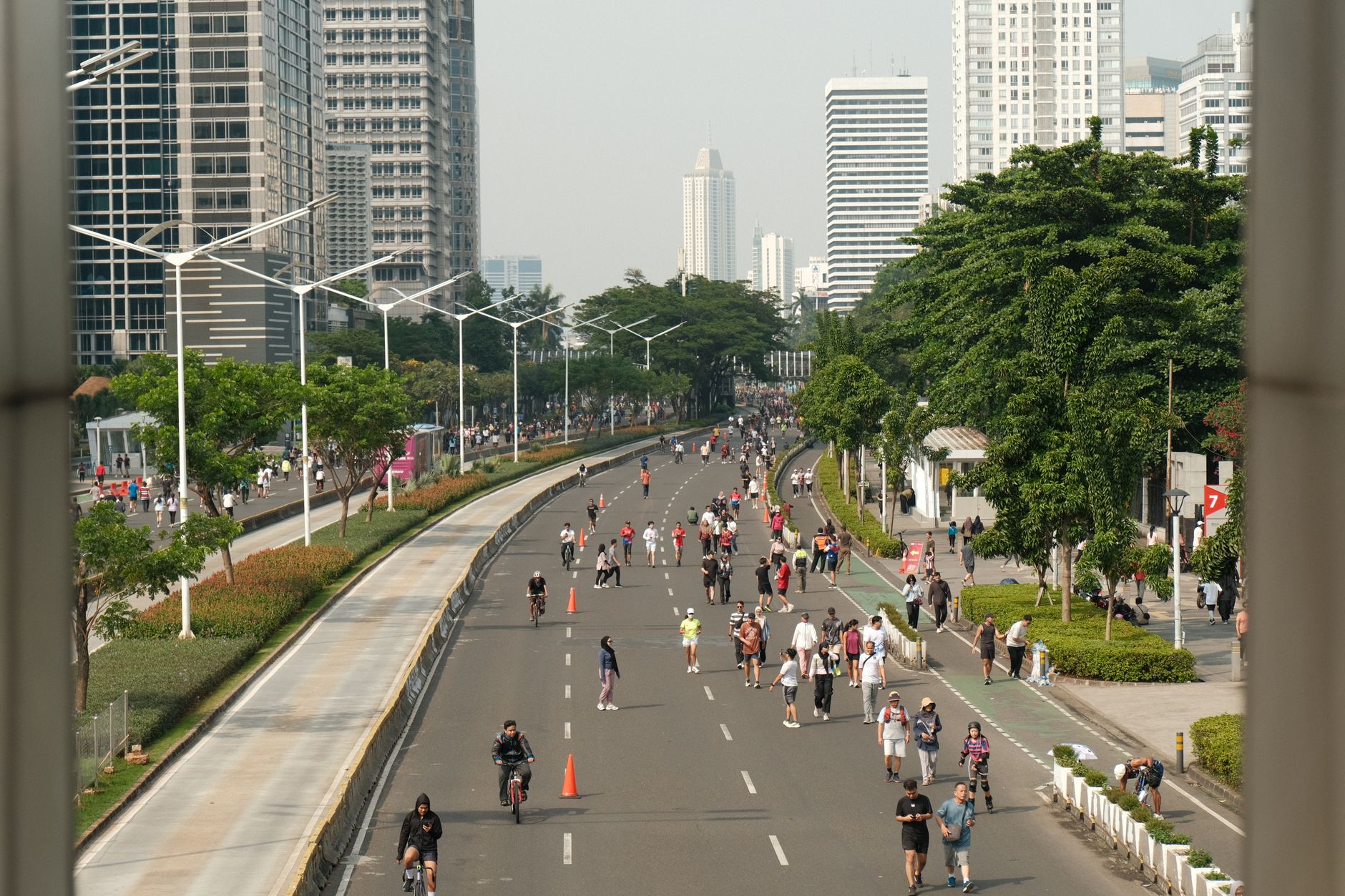
For years, we've championed sustainable and authentic travel. Now, the world's most visionary cities are leading the charge, transforming themselves into pedestrian paradises. Travel advisors are buzzing about these destinations, not just for their environmental benefits, but for the unparalleled experience they offer. Imagine wandering cobblestone streets without dodging traffic, breathing cleaner air, and truly connecting with the soul of a city. These aren't just tourist spots; they are living, breathing works of art, meticulously curated for exploration on foot, by bike, or by water.
Why Advisors Are Raving About Car-Free Urbanism
- Authenticity Amplified: Without the constant hum of traffic, the true character of a city emerges. You hear the local dialect more clearly, smell the trattoria's garlic, and feel the pulse of daily life.
- Enhanced Safety & Serenity: For families and solo travelers alike, the absence of cars dramatically increases safety and peace of mind. Strolling through historic centers becomes a joy, not a hazard.
- Unmatched Accessibility (for pedestrians!): Every hidden alley, every charming piazza, every quaint shop is within easy reach. You can get lost – delightfully so – and always find your way back.
- A Deeper Connection to Heritage: Many car-free cities are UNESCO World Heritage sites. Removing vehicles helps preserve these fragile historical landscapes for generations to come.
Venice, Italy: The Queen of Canals
Ah, Venice. The very name conjures images of shimmering waterways and romantic gondolas. And yes, it absolutely lives up to the hype. My first morning, I woke before dawn and took a vaporetto (water bus) to St. Mark's Square. As the sun began to paint the sky in hues of orange and pink, I had the entire iconic piazza to myself, save for a few resident pigeons. The silence, broken only by the distant chimes of bells, was profound.
Insider's Guide to Car-Free Venice
- Getting Around: The Vaporetto is your lifeline. Purchase a multi-day pass for the best value. Water taxis are a luxurious, albeit pricier, option. And of course, walking is paramount. Embrace getting lost; it's part of the magic!
- Beyond the Crowds:
- Pro-Tip: Visit Rialto Market at 7 AM on a weekday. You'll witness the vibrant heart of local life as vendors unload their fresh produce and seafood, a truly authentic spectacle.
- Pro-Tip: Explore the quieter districts of Cannaregio and Dorsoduro. You’ll find charming canals, local bacari (wine bars), and artisan workshops without the throngs.
- Pro-Tip: For a unique perspective, rent a kayak at dawn or dusk for a serene paddle through smaller canals.
- Culinary Delights: Seek out Cicchetti (Venetian tapas) and local wines at small bacari. Don't miss Sarde in Saor (sweet and sour sardines) or Risi e Bisi (rice and peas).
- Accommodation: Consider staying in a historic palazzo converted into a boutique hotel for an immersive experience.
Quick Facts: Venice
| Category | Details | Estimated Cost ($) | Best Time to Visit | How to Get There |
| :-------------- | :------------------------------------------------------------------- | :----------------- | :----------------- | :---------------------------------------------------------------------------------- |
| Transport | Vaporetto (water bus), Water Taxi, Walking | $5-20 (daily pass) | Spring (Apr-May), Fall (Sep-Oct) | Fly into Venice Marco Polo Airport (VCE) or Treviso Airport (TSF), then water taxi or Alilaguna ferry. |
| Accommodation | Hotels, B&Bs, Apartments | $150 - $500+ | Shoulder Seasons | Ferry from mainland (Punta Sabbioni) if driving to nearby parking areas. |
| Food | Cicchetti, Pasta, Seafood, Gelato | $50 - $150+ (daily) | Off-season (Nov-Feb) for lower prices. | |
| Activities | Gondola ride, Museum entry, Island hopping (Murano, Burano) | $20 - $100+ (daily) | Avoid Summer crowds | |
Amsterdam, Netherlands: The Bicycle Capital
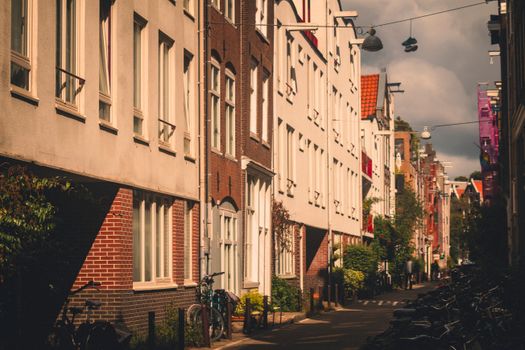
Amsterdam is synonymous with bicycles, and for good reason. The city is ingeniously designed for two wheels, with dedicated bike lanes weaving through picturesque canals and historic streets. My first day here, I rented a bike and felt an immediate sense of belonging. The rhythm of the city shifted; I was no longer an observer but a participant, gliding past houseboats and under charming bridges, the gentle whir of my tires a constant soundtrack.
Insider's Guide to Car-Free Amsterdam
- Getting Around: Cycling is king! Rent a bike from one of the many local shops. Be mindful of tram tracks and fellow cyclists. The tram and metro system is excellent for longer distances. Ferries across the IJ river are free and frequent.
- Beyond the Tourist Trail:
- Pro-Tip: Explore the Jordaan district by bike early in the morning. The quiet canals and hidden courtyards are magical before the crowds arrive.
- Pro-Tip: Visit De Negen Straatjes (The Nine Streets) for unique boutiques and vintage shops. It's a shopper's paradise best explored on foot or bike.
- Pro-Tip: Take a free ferry to Amsterdam Noord for a different vibe, featuring street art, trendy cafes, and the EYE Film Museum.
- Local Flavors: Indulge in Stroopwafels fresh off the griddle, try Bitterballen (deep-fried meatballs) at a brown cafe, and sample Kibbeling (fried fish) from a street vendor.
- Unique Stays: Look for houseboat accommodations for a truly unforgettable Amsterdam experience.
Quick Facts: Amsterdam
| Category | Details | Estimated Cost ($) | Best Time to Visit | How to Get There |
| :-------------- | :------------------------------------------------------------------- | :----------------- | :----------------- | :---------------------------------------------------------------------------------- |
| Transport | Cycling, Tram, Metro, Bus, Ferry | $5-15 (daily pass) | Spring (Apr-May), Summer (Jun-Aug) | Fly into Amsterdam Airport Schiphol (AMS), then train to city center (15-20 min). |
| Accommodation | Hotels, Houseboats, Apartments, Hostels | $100 - $400+ | Spring (Tulips!) | Train from major European cities. |
| Food | Stroopwafels, Bitterballen, Cheese, Herring, Indonesian Rijsttafel | $40 - $120+ (daily) | Fall (Sep-Oct) for fewer crowds. | |
| Activities | Museum entry (Rijksmuseum, Anne Frank House), Canal cruise, Flower Market | $20 - $80+ (daily) | Off-season (Nov-Feb) for budget travelers. | |
Bruges, Belgium: A Fairytale Come to Life
Bruges is like stepping into a medieval storybook. With its UNESCO-listed historic center, chocolate-box architecture, and serene canals, it's a dream for anyone seeking charm and tranquility. The absence of cars here isn't just a policy; it's the very essence of its preservation. I spent a glorious afternoon simply wandering, the scent of waffles and rich chocolate wafting through the air, the clip-clop of horse-drawn carriages a gentle reminder of a bygone era.
Insider's Guide to Car-Free Bruges
- Getting Around: Walking is the best way to explore Bruges' compact city center. Horse-drawn carriage rides offer a romantic and scenic perspective. Canal boat tours provide a unique vantage point.
- Discovering Hidden Gems:
- Pro-Tip: Visit the Begijnhof (Beguinage) at sunrise. This tranquil oasis of white houses and peaceful gardens is incredibly atmospheric without the daytime visitors.
- Pro-Tip: Seek out the Rozenhoedkaai (Quay of the Rosary) in the early morning or late evening for the most iconic and photogenic views of the Belfry.
- Pro-Tip: Explore the Minnewaterpark (Lake of Love) for a romantic stroll and a chance to see swans.
- Belgian Delights: You must try Belgian waffles (Liège style is my favorite!), indulge in world-class Belgian chocolate, and sample a vast array of Belgian beers. Don't forget Frites (fries) with mayonnaise!
- Charming Stays: Opt for a boutique hotel in a historic building for an authentic Bruges experience.
Quick Facts: Bruges
| Category | Details | Estimated Cost ($) | Best Time to Visit | How to Get There |
| :-------------- | :------------------------------------------------------------------- | :----------------- | :----------------- | :---------------------------------------------------------------------------------- |
| Transport | Walking, Horse-drawn Carriage, Canal Boat Tour | $5-20 (daily) | Spring (Apr-May), Fall (Sep-Oct) | Train to Bruges Station from Brussels (approx. 1 hour). City center is a short walk. |
| Accommodation | Hotels, B&Bs, Guesthouses | $100 - $300+ | Summer (Jun-Aug) for warmest weather. | |
| Food | Waffles, Chocolate, Beer, Mussels, Frites | $40 - $100+ (daily) | Avoid Christmas market crowds if seeking quiet. | |
| Activities | Belfry climb, Canal tour, Museum entry, Chocolate tasting | $15 - $50+ (daily) | Off-season (Nov-Feb) for budget and fewer tourists. | |
Other Car-Free Gems Worth Exploring
The movement towards car-free urban tourism is growing, and several other destinations are making waves:
- Giethoorn, Netherlands: Known as the "Venice of the North," this charming village relies entirely on its waterways. You'll navigate by whisper boat, canoe, or footbridge.
- Pro-Tip: Visit during the week in the shoulder seasons to experience its true tranquility.
- El Hierro, Canary Islands, Spain: This entire island is committed to becoming 100% renewable and is a pioneer in sustainable, car-free island tourism. Explore by hiking, cycling, or public transport.
- Pro-Tip: Rent an electric bike to explore its dramatic volcanic landscapes.
- Fira, Santorini, Greece: While not entirely car-free, the main town of Fira is largely pedestrianized, offering breathtaking caldera views without the traffic. Navigate by foot, donkey, or cable car.
- Pro-Tip: Enjoy sunset cocktails from a cliffside bar overlooking the Aegean Sea.
The Future of Urban Travel is Car-Free
As a travel journalist and SEO strategist, I see the undeniable appeal and growing importance of car-free cities. They offer a more sustainable, authentic, and profoundly enjoyable way to experience the world's most captivating urban landscapes. Travel advisors are increasingly recommending these destinations because they deliver on the promise of memorable, enriching journeys. So, pack your walking shoes, embrace the slower pace, and get ready to discover the true heart of a city – one car-free step at a time.