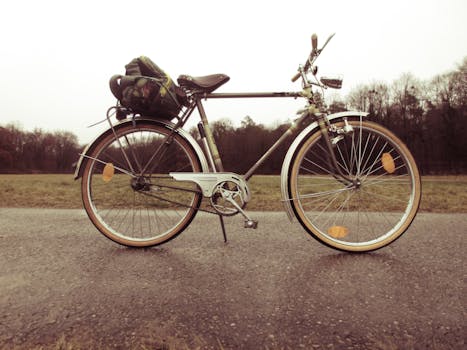
Bike touring combines movement, scenery and self-sufficiency in a way few other trips do. Routes through mountains, deserts, coastlines and river valleys can offer views that are hard to reach by car, and the pace of a bicycle encourages close attention to the landscape. Dramatic terrain also raises the demands on rider, bicycle and planner. A route that looks spectacular on a map may involve long climbs, exposed sections or limited services. This guide explains how to choose a bike touring route through varied landscapes, how to judge its difficulty and how to plan for weather, safety and supplies.
Matching the route to your riding
Begin with an honest assessment of your fitness and experience. A useful measure is how far and how long you can ride with a loaded bicycle on consecutive days, not simply how far you ride on a single day trip. Look at the total elevation gain as well as distance, because climbing usually takes far more energy than flat riding. Many touring planners aim for daily distances that leave time for rest, meals and unplanned stops. If you are new to touring, choose a route with shorter stages, easier gradients and frequent places to stop. You can always add distance later, but it is harder to recover from a route that pushes you too hard from the start.
Reading terrain and elevation
Maps and route profiles show elevation, surface and traffic levels, although the information is only as good as its source. Check whether a route uses paved roads, gravel tracks or unpaved trails, and whether it crosses high passes where weather can change quickly. Long, steady gradients are usually easier to manage than short, steep ones, but both should be considered in relation to your gears and braking. Descents can be as demanding as climbs, particularly on loose surfaces or with a loaded bicycle. Where a route passes through remote country, note the distances between towns, shops and water sources, as these determine how much you must carry.
Seasons, weather and daylight
Season shapes almost every aspect of a bike tour. Heat can be dangerous in desert or lowland regions at midday, while high country may bring snow, fog or strong winds outside the warmer months. Rainfall can make gravel tracks difficult and cause river crossings to rise. Daylight hours matter too, because riding after dark on rural roads adds risk. Check typical conditions for the months you plan to travel, then check forecasts close to departure and be ready to change plans. Some routes are seasonal, with passes or ferries that operate only at certain times of year.
Equipment and bicycle readiness
Bike touring places more load on a bicycle than ordinary riding. Tyres should suit the surface, and a puncture kit, spare tube, pump and tyre levers are basic essentials. Brakes, gears and the chain should be serviced before departure. Panniers or frame bags need to be secure and balanced. Carry a repair kit that matches your equipment, and learn how to fix common problems in advance. Lights and reflective items are important on roads with traffic, and a helmet is a sensible standard for any touring rider.
Safety and navigation
Plan for the possibility that you will be off-route or have a mechanical problem. Share your intended route and daily stages with someone at home, and check whether mobile signal is reliable along the way. Download offline maps and keep a paper map or printed route notes as a backup. Learn local traffic rules and be visible on roads, especially on bends and in low light. In remote areas, carry extra water, food and warm layers, and know where emergency services can be reached. Insurance that covers cycling and emergency evacuation can be valuable, although terms vary and should be read carefully.
Accommodation and supplies
Accommodation options vary along touring routes. Campsites, guesthouses, hostels and small hotels may be spaced unevenly, so plan around the locations where you can rest and resupply. Booking ahead is wise in popular seasons, particularly in small villages with few beds. Check local shop opening hours, as they can be limited on some days. Carry enough food and water to bridge gaps in services, and note where drinking water is available.
Practical tips
Start with shorter stages and build up as you gain confidence. Ride a few practice days with a loaded bicycle before departure. Check the route profile and weather before each stage. Carry a repair kit and spare parts you know how to use. Let someone know your plans and check in regularly. Consider a guided or supported tour if you want a more structured experience.
A bike touring route through dramatic landscapes is best chosen with honesty about your fitness, equipment and the season. Careful reading of terrain, weather and services turns an ambitious idea into a trip that is manageable and enjoyable. Plan conservatively, leave room for changes and treat the landscape with the respect its scale deserves.