The Hook: A Symphony of Light and Speed
I stepped off the Shinkansen in Kyoto, the air alive with the faint hum of efficiency. It wasn't just the bullet train's incredible speed that struck me; it was the immediate immersion into a hyper-connected world. As I navigated to my ryokan, my phone, powered by a ubiquitous 5G network, seamlessly translated street signs, offered real-time bus schedules, and even suggested the best matcha latte nearby based on my previous Instagram likes. This wasn't just convenient; it was a glimpse into a travel future that felt both exhilarating and, frankly, a little bit ahead of what I'd experienced in many Western cities. The scent of cherry blossoms mingled with the almost imperceptible whiff of ionized air from the sleek, driverless shuttle that whisked me past ancient temples. This is Asia, and its technological leap is redefining what it means to travel.
Beyond the Bullet Train: Asia's Digital Backbone
While the Shinkansen is a marvel, it's just one facet of Asia's burgeoning technological infrastructure that directly impacts your travel experience. From smart city initiatives to widespread digital payment adoption, the continent is building a seamless travel ecosystem that often leaves Western counterparts playing catch-up.
Smart Cities, Smarter Journeys
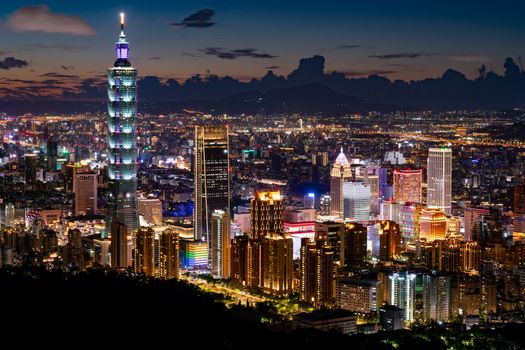
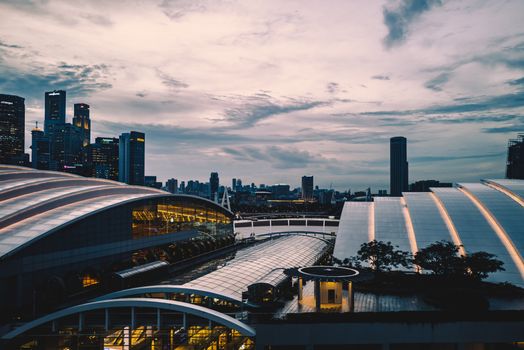
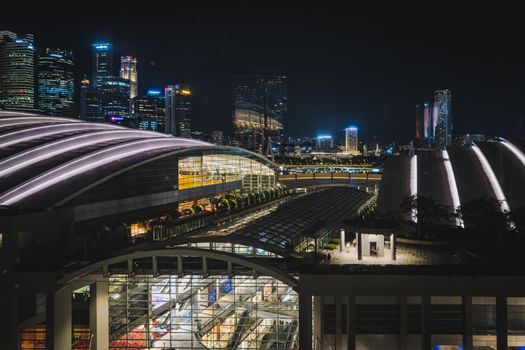
Cities like Singapore, Seoul, and Tokyo are pioneers in smart city development. This translates to tangible benefits for travelers:
- Ubiquitous Connectivity: High-speed Wi-Fi is not a luxury; it's a given. From metro stations to parks, you're likely to find reliable internet, making navigation and communication effortless.
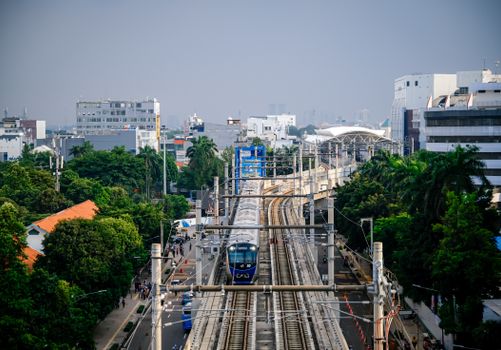
- Integrated Public Transport: Forget fumbling for tickets. Smart cards and mobile apps (often integrated with ride-sharing and public transit) offer a unified payment and access system. In Seoul, the T-money card is your golden ticket to buses, subways, and even taxis.
- Data-Driven Efficiency: Cities use data analytics to optimize traffic flow, public services, and even waste management. This means less time stuck in traffic and more time exploring.
Pro-Tip:
Download the official transport app for your destination city before you arrive. It will save you immense time and confusion. For example, in Singapore, the "MyTransport.SG" app is invaluable.
The Rise of the Contactless Traveler
The pandemic accelerated a trend already in full swing across Asia: cashless societies. This is a game-changer for travelers.
- Mobile Payments Reign Supreme: Apps like Alipay and WeChat Pay in China, Kakao Pay in Korea, and PayNow in Singapore are dominant. While foreign credit cards are still accepted in many tourist areas, embracing these local digital wallets can unlock deeper immersion and sometimes even discounts.
- Seamless Check-ins and Bookings: Hotels and attractions increasingly offer app-based check-ins, digital room keys, and QR code access, minimizing queues and physical touchpoints.
Insider Lingo:
You'll hear about "super apps." These are powerful, all-in-one platforms that combine messaging, payments, ride-hailing, food delivery, and more. Think of them as your digital Swiss Army knife for navigating daily life.
Advanced Transportation: Beyond the Familiar
Asia isn't just about high-speed trains; it's about envisioning and implementing the next generation of transport.
- Autonomous Vehicles (AVs): While still in early stages for widespread public use, AV pilots are common in research zones and specific routes in cities like Shanghai and Tokyo. Imagine a future where your airport transfer is a self-driving pod.
- Drone Delivery: While not yet mainstream for tourist luggage, drone technology is being tested for delivering goods in remote areas and even within urban logistics. This points to a future of incredibly efficient last-mile delivery for everything from food to essential supplies.
- Hyperloop Ambitions: Several countries, including China and India, are exploring hyperloop technology. While years away from commercial reality, these ambitious projects underscore Asia's commitment to pushing the boundaries of transportation speed and efficiency.
Pro-Tip:
Keep an eye on local tech news for pilot programs. Participating in an AV trial or using a drone-delivered service can be an unforgettable travel experience.
Digital Nomad Paradise: Connectivity as a Lifestyle
For digital nomads and remote workers, Asia's technological infrastructure is a significant draw.
- Reliable and Affordable Internet: Beyond just being available, high-speed internet is often more affordable and widespread than in many Western countries, especially in major hubs.
- Co-working Spaces Galore: Cities like Bangkok, Ho Chi Minh City, and Bali boast vibrant co-working scenes with excellent amenities and robust internet.
- Digital Payment Integration: Easy online payments for accommodations, services, and even local SIM cards simplify the logistical hurdles of extended stays.
Quick Facts:
| Feature | Estimated Cost ($) | Best Time to Visit | How to Get There |
| :------------------- | :----------------- | :----------------- | :--------------------------------------------------- |
| Shinkansen (Tokyo-Kyoto) | $100 - $150 | Spring/Autumn | Narita/Haneda Airport (Tokyo), Kansai Airport (Osaka) |
| Singapore MRT/Bus | $2 - $5 per trip | Year-round | Changi Airport (SIN) |
| Seoul Subway/Bus | $1 - $3 per trip | Spring/Autumn | Incheon International Airport (ICN) |
| Vietnam E-wallets | N/A (Free App) | Dry Season (Nov-Apr) | Tan Son Nhat (SGN) or Noi Bai (HAN) Airports |
| Co-working Space | $150 - $300/month | Varies by region | Major international airports of your chosen city |
The Human Element: Technology Enhancing, Not Replacing
It's crucial to understand that this technological advancement in Asia isn't about replacing human interaction; it's about enhancing it.
- Personalized Recommendations: AI-powered apps analyze your preferences to suggest tailor-made itineraries, dining options, and activities. This means less generic tourism and more discovery of hidden gems.
- Language Barriers Diminished: Real-time translation apps and AI-powered interpretation devices are breaking down language barriers, fostering deeper connections with locals.
- Streamlined Logistics: By automating routine tasks, technology frees up both travelers and service providers to focus on genuine experiences and hospitality.
Authenticity Check:
While technology streamlines your journey, don't forget the human touch. Engage with local vendors, learn a few basic phrases (even with translation apps), and savor the moments that technology can't replicate – the aroma of street food, the warmth of a smile, the shared laughter.
The West's Lag: What Are We Missing?
The stark contrast between Asia's rapid tech integration and the often slower adoption in Western travel advisory circles is notable.
- Siloed Systems: Many Western countries still operate with fragmented transportation payment systems and a reliance on legacy infrastructure.
- Slower Digital Payment Adoption: While improving, the widespread acceptance of mobile and contactless payments is still catching up to Asian standards.
- Resistance to Innovation: There can be a degree of inertia in adopting new technologies, often due to regulatory hurdles or a preference for established, albeit less efficient, methods.
Travel Advisor Insight:
As a travel journalist, I often hear from travelers who feel frustrated by the clunky booking processes or the need for multiple payment methods when traveling in some Western destinations. Asia, by contrast, often feels like a glimpse into the future of effortless travel.
Your Next Adventure: Embracing the Tech Frontier
Planning a trip to Asia in the coming years means preparing for an experience that is increasingly seamless, personalized, and technologically advanced.
- Embrace the Apps: Download essential travel apps for your destination – not just for navigation, but for local transport, dining, and even cultural etiquette.
- Consider Digital Wallets: If you're visiting countries like China or Korea, explore setting up Alipay or Kakao Pay. It will open up a world of convenience.
- Stay Open to Innovation: Be ready for driverless shuttles, AI-powered guides, and hyper-efficient public transport. These are not distant dreams; they are present realities in many parts of Asia.
Pro-Tip:
Research specific tech initiatives in your chosen city. For example, if visiting Dubai, explore their smart city projects and the use of AI in public services.
The future of travel is here, and it's speaking an incredibly efficient, connected, and exciting Asian dialect. Don't get left behind.