The Hook: The Silence of the Future
I stepped off the SCMaglev at Tokyo’s Shinagawa Station, and the first thing I noticed wasn't the speed—it was the silence. It’s May 2026, and the "whoosh" of the old Shinkansen has been replaced by the eerie, magnetic hum of the L0 Series, which just clocked 500km/h on my ride from Nagoya.
There was no fumbling for a Suica card or a paper ticket. As I walked through the gate, a discreet array of sensors mapped my gait and scanned my iris. A soft chime confirmed the transaction. No stopping, no queuing. The air smelled faintly of ionized oxygen—a byproduct of the station’s new carbon-scrubbing filtration system. Looking up, the ceiling wasn't just a roof; it was a massive, transparent solar-harvesting skin that projected real-time AR weather updates directly into my smart-lenses.
I wasn’t just in a different country; I was in a different decade. While London and New York are still debating congestion pricing, Asia’s "Big Three"—Tokyo, Shenzhen, and Singapore—have effectively deleted the friction of modern life.
1. The Death of the Dead Zone: 6G and Ubiquitous Connectivity
By May 2026, the West is still patting itself on the back for 5G coverage. Meanwhile, Seoul and Shanghai have moved into the Sub-THz (Terahertz) era of 6G.
What does this mean for you, the traveler? It means "dead zones" are a historical artifact. Whether you are in the deepest basement of a Seoul mall or hiking the vertical gardens of Singapore’s Jurong District, your bandwidth is high enough to stream 16K volumetric video without a stutter.
Pro-Tip:
Don't bother buying a local SIM. Most Asian hubs now use Universal Decentralized ID (UDID). Your device automatically handshakes with the city’s mesh network the moment you clear customs, billing you a flat "visitor connectivity fee" that costs less than a latte.
2. Frictionless Frontiers: Your Face is the Key
The most jarring leap forward is the total disappearance of physical documentation. In Singapore’s Changi Terminal 5 (the crown jewel of 2026 aviation), the "seamless flow" initiative is in full swing.
I cleared immigration in exactly 14 seconds. No passport presented, no fingerprints pressed onto greasy glass. The Biometric Token Service syncs your digital identity with your flight manifest. This tech has now bled into the hospitality sector. At the new Morpheus II in Macau, I didn't check in at a desk. I walked to my room, the door recognized my facial geometry, and the lights adjusted to my preferred "Sunset Amber" hue based on my wearable's data.
3. The Autonomous Arteries: Shenzhen’s Sky-Pods
If you want to see where the West lost the lead, look at the sky in Shenzhen. The city has moved beyond ground-level congestion. A network of Autonomous Aerial Vehicles (AAVs) and suspended maglev pods now crisscross the Nanshan District.
These aren't "flying cars" for the ultra-rich; they are public transit. For about $8 USD, you can summon a pod via the Tripsora app that whisks you above the traffic, docking directly into the 40th-floor lobbies of major hotels and office towers. The infrastructure is powered by a solid-state battery grid that recharges at every docking station, making the entire system carbon-neutral.
Insider Language:
Locals call this "The Third Dimension" (三维交通). Don't ask for a taxi; ask for a "Sky-Link."
4. Green Infrastructure: The Vertical Lungs
Asian tech isn't just about silicon and steel; it’s about biological integration. In May 2026, the "Smart City" is also a "Sponge City."
In Ho Chi Minh City and Bangkok, new infrastructure projects have replaced concrete drainage with Bio-Polymer Catchments. These smart waterways use AI to predict monsoon surges, redirecting water into underground cooling reservoirs that naturally lower the city’s ambient temperature by 5 degrees Celsius.
Walking through these districts, you’ll notice the "Living Walls" are actually high-tech algae bioreactors that produce oxygen and harvest energy for street lighting. It’s a stark contrast to the crumbling, heat-trapping asphalt of Western metropolises.
5. The Augmented Street: Shopping in 4D
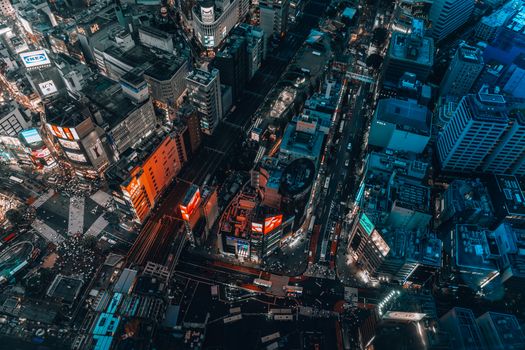
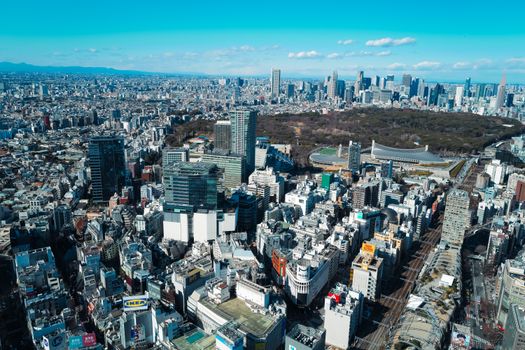
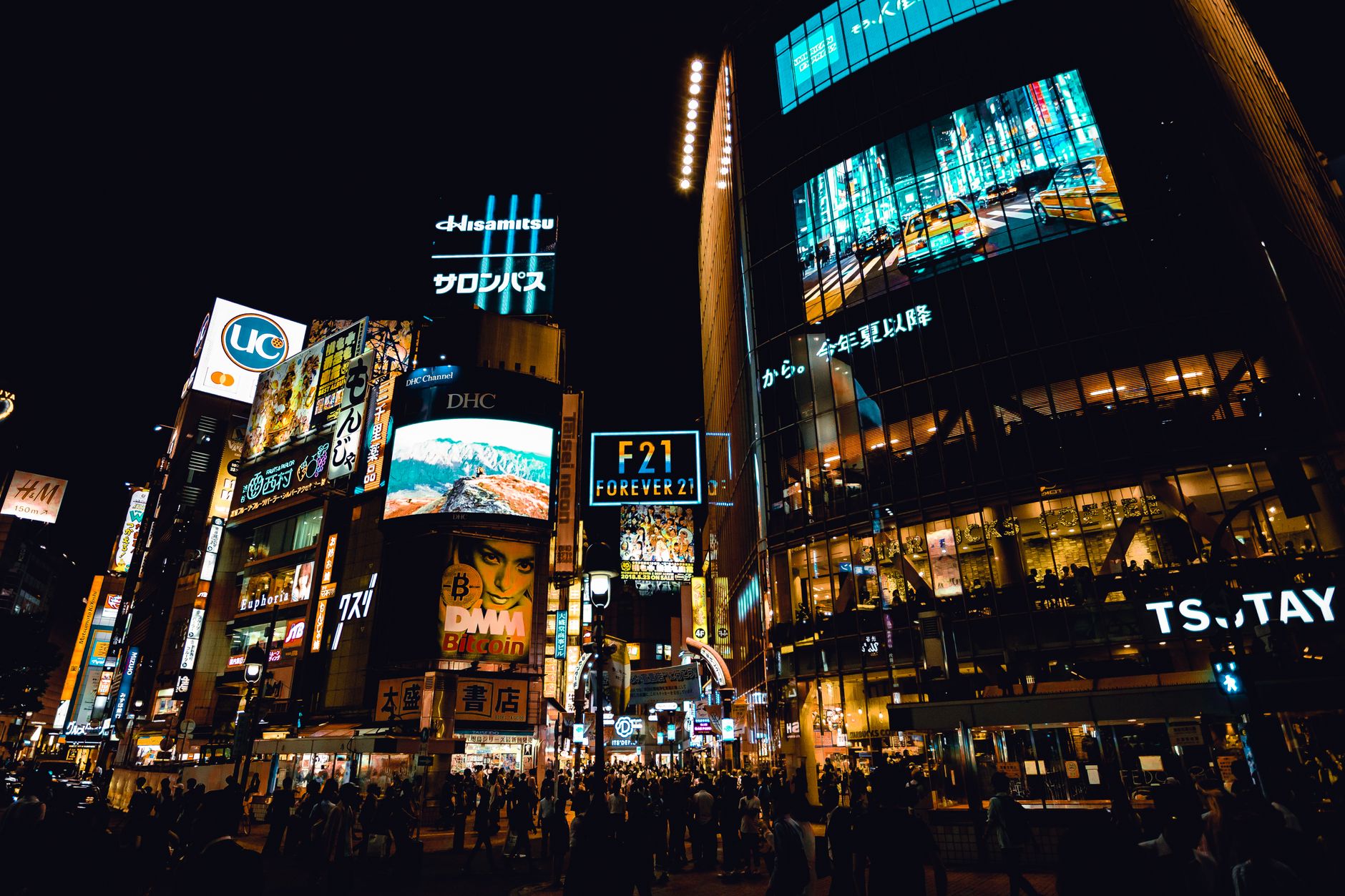
The retail experience in Tokyo’s Shibuya or Seoul’s Gangnam has evolved into a hybrid reality. As I walked down the street, my AR glasses highlighted "Digital-Only" boutiques. These are physical spaces with no inventory.
You walk in, touch the fabrics, and your AR overlay shows you the garment in every possible color, draped over your 3D avatar. You "buy" it with a blink, and it’s delivered to your hotel by a sidewalk robot before you even get back.
Pro-Tip:
Visit the Shibuya Crossing AR-Plaza at 9 PM. The physical billboards are gone, replaced by massive, mid-air holographic art installations that are only visible through your device. It’s the most Instagrammable spot on the planet, minus the visual pollution.
6. Quick Facts: Logistics & Budget
| Feature | Destination | Cost (Est.) | Best Time to Experience |
| :--- | :--- | :--- | :--- |
| SCMaglev Ride | Tokyo to Nagoya | $110 USD | Early Morning (7 AM) |
| AAV Sky-Pod | Shenzhen Nanshan | $8 - $15 USD | Golden Hour (Sunset) |
| Biometric Hotel | Singapore/Macau | $250+/night | Year-round |
| 6G Data Pass | Seoul-wide | $5/day | Any time |
How to get there:
Most major carriers now offer "Tech-Corridor" flights into Singapore, Tokyo, or Seoul. From there, the regional hyper-loop and maglev networks make domestic flights obsolete.
7. The Human Element: High Tech, High Touch
Despite the chrome and the code, the most impressive part of Asia’s 2026 infrastructure is how it preserves culture. In Kyoto, the AI-managed crowd control systems ensure that the Philosopher’s Path never feels crowded. Sensors detect density and gently suggest alternative, equally beautiful routes to tourists via their navigation apps.
The tech isn't there to replace the soul of these places; it’s there to protect it from the friction of over-tourism. You aren't staring at a screen; the screen has become the environment, allowing you to look up and actually see the architecture, the cherry blossoms, and the people.
*