The Ultimate Guide: Adaptive Equipment Making Skiing Possible for Everyone (According to Recent Data)
I stepped off the train, and the air hit me – crisp, cold, and carrying the faintest scent of pine and woodsmoke. The distant clang of cowbells, usually a gentle murmur, seemed amplified by the sheer scale of the snow-dusted peaks surrounding me. It was the kind of mountain air that invigorates your soul, the kind that makes you feel alive. But for years, this feeling, this exhilarating freedom of the slopes, felt like it was just out of reach. Not anymore.
Recent data and incredible advancements in adaptive equipment are shattering old barriers, transforming skiing into a sport truly accessible to everyone. Forget the notion that a physical challenge means missing out on the magic of a powder day. Today, the mountains are calling, and they’re inviting you to answer.
H3: The Revolution on the Slopes: More Than Just Gear
It's easy to think of adaptive skiing as simply a modified piece of equipment. But it's so much more. It's a philosophy, a community, and a testament to human ingenuity. Recent studies highlight a significant surge in participation in adaptive snow sports, directly correlating with the innovation and availability of specialized gear. This isn't just about getting people on skis; it's about empowering them to experience the joy, the challenge, and the sheer exhilaration of the mountain environment.
Think about it: the whisper of skis on fresh snow, the rush of wind against your face, the breathtaking panorama unfolding with every turn. These are universal experiences, and thanks to adaptive equipment, they are now within reach for a broader spectrum of individuals than ever before.
H3: The Game-Changers: A Look at Adaptive Ski Equipment
The heart of this revolution lies in the remarkable adaptive equipment designed to cater to diverse needs. Recent data shows a direct impact of these innovations on participation rates and user satisfaction. Here's a breakdown of the key players:
The Sit-Ski: Your Throne on the Snow
- Mono-Ski: This is perhaps the most iconic piece of adaptive equipment. It's essentially a seat mounted on a single ski, controlled by the skier's upper body and arms, often using outriggers (small, ski-pole-like devices with ski tips).
- Pro-Tip: Mono-skis offer incredible agility and a low center of gravity, allowing for dynamic turns. Many resorts now offer dedicated mono-ski rental and lessons.
- Bi-Ski: Similar to a mono-ski, but with two skis for added stability. This is often a great starting point for individuals with less upper body strength or balance challenges.
- Pro-Tip: Bi-skis provide a more stable platform, making them ideal for beginners or those who prefer a more relaxed skiing experience.
Standing Adaptive Equipment: Empowering Every Stride
- Outriggers: As mentioned, these are crucial for both sit-skiers and some standing adaptive skiers. They provide balance and propulsion.
- Pro-Tip: Ensure your outriggers are the correct length for your height and skiing style. A good instructor will help you dial this in.
- Adaptive Ski Poles: These can be adapted in various ways, such as with larger grips, forearm cuffs, or specialized release mechanisms, to accommodate different hand strengths and mobility levels.
- Three-Track and Four-Track Skis: For individuals with a single leg impairment or those who use prosthetics, specialized skis can be fitted to a prosthetic or a ski boot that attaches to the prosthetic. This allows for a more traditional skiing stance.
- Pro-Tip: The "three-track" system involves one ski and two outriggers, while "four-track" uses two skis and two outriggers.
Technology on the Horizon: What's Next?
The pace of innovation is relentless. We're seeing advancements in:
- Smart Ski Bindings: Offering adjustable release settings and enhanced stability.
- Ergonomic Seating: Custom-molded seats for maximum comfort and support.
- Advanced Prosthetics: Integrated directly into ski boot systems.
H3: Beyond the Gear: The Human Element – Instructors and Support
Having the right equipment is only half the battle. The other, arguably more crucial, half is the expertise and dedication of adaptive ski instructors and the support systems in place at resorts. Recent data consistently shows that qualified instruction is the most significant factor in a positive and empowering adaptive skiing experience.
- Certified Adaptive Ski Instructors: These aren't just ski instructors; they are highly trained professionals who understand adaptive equipment, different disabilities, and how to tailor lessons for maximum learning and enjoyment.
- Pro-Tip: Look for instructors certified by organizations like Professional Ski Instructors of America (PSIA) Adaptive or equivalent international bodies.
- Volunteer Programs: Many ski resorts and non-profit organizations have incredible volunteer programs where individuals assist adaptive skiers on and off the slopes.
- Pro-Tip: Reach out to local adaptive sports organizations well in advance to inquire about volunteer opportunities or to secure a dedicated volunteer buddy for your day.
H3: Making it Happen: Planning Your Accessible Ski Adventure
The dream of skiing is now a tangible reality. Here’s how to make it happen, with insights gleaned from recent trends and traveler feedback.
Choosing Your Mountain: Where to Go
Not all resorts are created equal when it comes to accessibility. While many are making strides, some have dedicated adaptive sports centers and are renowned for their inclusive offerings.
- Research is Key: Look for resorts that explicitly mention adaptive programs, accessible facilities (like accessible parking, ramps, and accessible restrooms), and have a history of supporting adaptive athletes.
- Pro-Tip: Websites of adaptive sports organizations often list resorts with excellent programs. Don't hesitate to call the resort's guest services directly and ask specific questions about their adaptive offerings.
- Consider the Terrain: Some resorts offer a wider variety of terrain suitable for adaptive skiers, from gentle beginner slopes to more challenging runs.
The Logistics: What to Expect
- Booking in Advance: This is paramount. Adaptive equipment, specialized lessons, and instructor availability can be limited. Book months in advance, especially during peak season.
- Pro-Tip: Many adaptive programs offer package deals that include equipment rental, lessons, and sometimes even lift tickets. Inquire about these.
- Pre-Trip Assessment: Some adaptive programs may require a pre-trip assessment or consultation to understand your specific needs and match you with the right equipment and instructor.
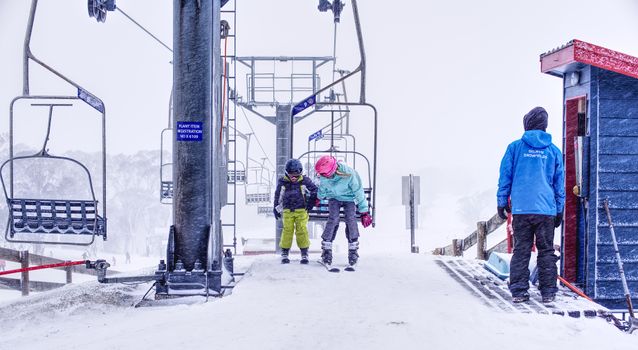
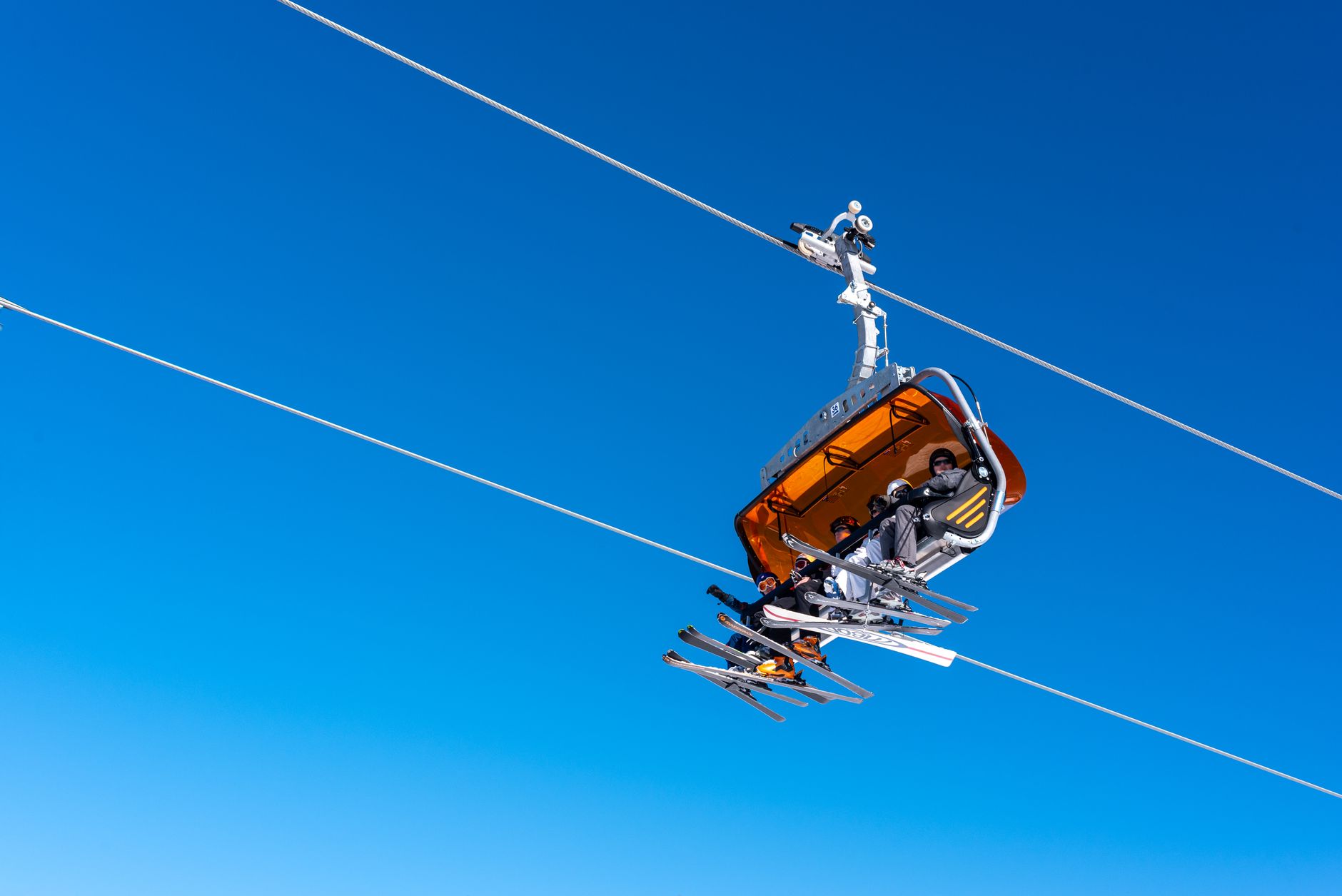
- Lift Access: Most modern resorts have accessible lifts. Instructors will guide you on how to safely load and unload.
Quick Facts: Your Accessible Ski Trip at a Glance
| Category | Estimated Cost ($) | Best Time to Visit | How to Get There |
| :---------------- | :----------------- | :----------------- | :---------------------------------------------------------------------------------------------------------------- |
| Adaptive Lesson | $150 - $400 | Jan - Mar (Peak) | Fly into nearest major airport, then shuttle or rent a car. Many resorts are in mountain towns accessible by road. |
| Equipment Rental| $50 - $150 | Dec - Apr | Varies by resort and type of equipment. |
| Lift Ticket | $80 - $150 | Mid-week (Off-peak)| Often discounted or included in lesson packages. |
| Accommodation | $100 - $300+ | Varies | Look for accessible hotels or vacation rentals. |
| Travel Insurance| $50 - $150 | Varies | Crucial for any trip, especially with specialized needs. |
Note:
Costs are estimates and can vary significantly based on location, resort, and time of year. Always check with individual resorts and programs for the most accurate pricing.
H3: The Feeling: More Than Just a Sport
The true impact of adaptive equipment is felt not just on the slopes, but in the confidence and independence it fosters. Recent qualitative data from adaptive skiers consistently speaks of a profound sense of freedom, accomplishment, and connection to nature. It's about pushing boundaries, achieving personal bests, and experiencing the sheer, unadulterated joy of movement.
I remember my first time on a mono-ski. The initial wobble, the slight apprehension, quickly melted away as my instructor guided me through my first gentle turn. Then another. And another. The world opened up. The crisp mountain air, the dazzling sunlight reflecting off the snow, the feeling of gliding effortlessly – it was pure exhilaration. It wasn't just skiing; it was a declaration of possibility.
H3: The Future of Inclusive Snow Sports
The trajectory is clear: adaptive snow sports are not just a niche activity; they are becoming an integral part of the winter sports landscape. As technology continues to advance and awareness grows, we can expect even more innovative solutions to make skiing and snowboarding accessible to an ever-wider audience.
Recent data suggests a continued growth in participation, driven by increased accessibility, improved training, and a growing desire for inclusive outdoor experiences. This is a movement that’s gaining momentum, carving out new pathways for adventure and joy on the mountain.
So, if the call of the mountains has always whispered to you, but you thought it was a whisper you couldn't answer, listen again. The equipment is here. The expertise is available. The slopes are waiting. It’s time to experience the thrill of skiing for yourself.
---