Whispers of the Past: Unlocking Europe’s Secret, Free Abandoned Castles
The rain was coming down in sheets, blurring the ancient cobblestones of the tiny French village. My backpack felt heavier with every step, and honestly, I was ready to call it a day. We’d been chasing a rumor – a faded mention in an old local pamphlet about a "château oublié" (forgotten castle) somewhere beyond the vineyards. Most people would have given up. Most people do. But that’s the difference between a tourist and an explorer, isn’t it?
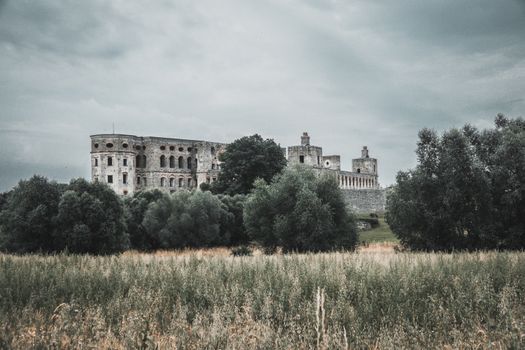
Then, through a break in the trees, it appeared. Not a grand, restored monument with gift shops and guided tours, but a silhouette of crumbling stone against the stormy sky, cloaked in ivy and history. No signs, no admission booth, just a faint, overgrown path beckoning us forward. Stepping through the archway, feeling the damp, cool air, I was instantly transported. This wasn't just a castle; it was a living, breathing testament to centuries of stories, now ours to discover, free and unburdened by crowds.
This, my friends, is the magic of abandoned castles. These aren't the postcard-perfect fortresses dominating guidebooks, but the wild, untamed ruins that whisper tales of forgotten glory. They’re the places locals know about but rarely share, guarding their quiet beauty from the tourist throngs. And guess what? You can explore them. For free.
Join me as we journey into a world where history is tangible, adventure is guaranteed, and the only price of admission is your spirit of discovery.
The Allure of the Ruin: Why Chase Ghosts of Grandeur?
Why bother with a crumbling, unmaintained ruin when you could visit a perfectly preserved, famous castle? The answer, for me, is simple: authenticity. When you step into an abandoned castle, you’re not just seeing history; you’re feeling it. There’s no ropes, no velvet barriers, no carefully curated narratives. It’s raw, real, and utterly immersive.
Imagine:
* Unfettered Exploration: Wander through ancient halls, climb spiral staircases (with caution, always!), and discover hidden nooks at your own pace.
* Photographic Gold: The interplay of decaying stone, vibrant greenery, and dramatic light creates stunning, unique backdrops for photographers and Instagrammers alike. These are the shots that tell a story.
* A Sense of Discovery: The thrill of finding a place few tourists ever see, and knowing you’re experiencing it exactly as it has stood for decades, perhaps centuries, undisturbed.
* Budget-Friendly Adventure: No entrance fees means more money for local food, unique souvenirs, or extending your trip!
These forgotten fortresses are more than just piles of stones; they are monuments to time, offering a profound connection to the past that a guided tour simply can't replicate.
The Explorer's Code: Respecting the Ruins and the Locals
Before we dive into specific (and semi-secret!) locations, it’s crucial to talk about responsibility. The "locals don't want tourists to know" isn't about being exclusionary; it's often about preserving the peace, the integrity of the site, and preventing damage or overcrowding. When you explore these places, you become a custodian of their secret.
Key Principles:
- Leave No Trace: This is paramount. Take nothing but photos, leave nothing but footprints. This means no litter, no carving initials, no moving stones, and definitely no taking "souvenirs."
- Safety First: These are unmaintained sites. Be aware of unstable ground, falling debris, hidden holes, and slippery surfaces. Wear sturdy shoes, bring a flashlight, and never explore alone if possible.
- Respect Private Property: Not all ruins are publicly accessible. Always check for signs. If a path is blocked or marked private, respect it. The goal is exploration, not trespassing.
- Be Discreet: The magic of these places lies in their quiet solitude. Avoid loud noises, large groups, or anything that draws undue attention. Blend in, observe, and appreciate.
- Support Local: If you find a hidden gem near a small village, grab a coffee or a meal at a local establishment. Show your appreciation for the community that unknowingly (or knowingly) protects these treasures.
Remember, the goal is to enjoy these sites responsibly so they can continue to be enjoyed by future generations of adventurers.
Château de Bellegarde: The Whispering Walls of Occitanie, France
My first true love among abandoned castles, the Château de Bellegarde, hides deep within the rolling hills of Occitanie, France. It’s not on any major tourist map, overshadowed by its grander, restored cousins in the Loire Valley. But for those who seek it, Bellegarde offers an unforgettable journey into medieval solitude.
The Discovery:
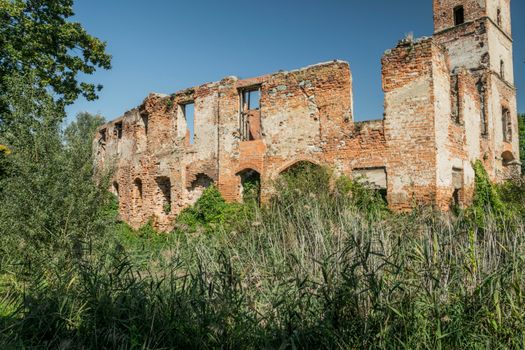
After that initial rainy stumble, we spent hours exploring. Ivy-clad walls rose majestically, framing empty windows that once overlooked bustling courtyards. A grand fireplace, still standing, hinted at feasts and warmth. A narrow, winding staircase, missing most of its steps, dared us to imagine its former ascent to battlements now crumbled to dust. The silence was profound, broken only by the rustle of leaves and the distant bleating of sheep. It felt like walking through a dream.
What to Expect:
Bellegarde is a sprawling ruin, more a skeleton of a castle than a complete structure. Its charm lies in its wildness. Parts of the outer walls and several towers are still relatively intact, offering incredible photographic opportunities, especially at sunrise or sunset when the stone glows a warm honey color. There are no signs, no information panels – just you and the history.
Practical Tips:
* Location: Roughly 45 minutes drive southwest of Toulouse, near a tiny village called "Saint-Pierre-des-Champs" (I'm being intentionally vague to protect its exact location, but a bit of satellite map sleuthing around this area will reward the persistent!).
* Access: A dirt track, easily missed, leads from a minor road to a small clearing where you can park. From there, it’s a 10-minute walk through overgrown path.
* Best Time to Visit: Early morning or late afternoon for soft light and fewer chances of encountering others. Spring and autumn offer the best weather and foliage.
* Nearby: The village of Saint-Pierre-des-Champs has a charming little boulangerie (bakery) and a single, authentic Auberge (inn) serving delicious regional fare. A perfect stop for a post-exploration meal.
Dun na Rí: The Emerald Citadel of Connemara, Ireland
Ireland, with its rugged coastlines and ancient history, is a treasure trove of forgotten castles. One of my most memorable discoveries was the elusive Dun na Rí, perched dramatically on a sea-battered cliff edge in Connemara. This isn't a "castle" in the traditional sense, but rather the remains of a formidable stone fort, its weathered walls now home to seabirds and wild grasses.
The Discovery:
We’d heard whispers in a local pub in Clifden about an "old fort on the edge of the world." Intrigued, we set out on a blustery spring morning. The drive itself was breathtaking, winding through peat bogs and past sparkling loughs. Finding Dun na Rí involved a long walk across uneven, boggy terrain, guided only by a vague description and the increasingly dramatic sound of crashing waves. When it finally emerged from the mist – a series of dark stone walls clinging precariously to the cliff, with waves exploding below – it was utterly awe-inspiring. The wind whipped around us, carrying the scent of salt and ancient stories.
What to Expect:
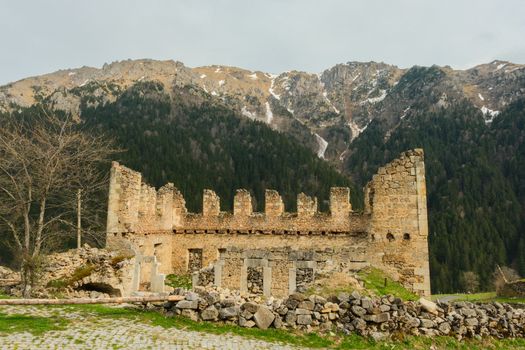
Dun na Rí is a testament to resilience, its thick walls defying the relentless Atlantic. You can walk along parts of the outer perimeter, peering down into the churning sea. The interior is mostly rubble and grass, but the sheer drama of its location is what makes it spectacular. It's a place where you truly feel the raw power of nature and the enduring spirit of human history.
Practical Tips:
* Location: Deep in Connemara, County Galway. Look for coastal paths west of Roundstone. Again, satellite maps and a keen eye for faint trails are your best friends.
* Access: Expect a significant hike (1-2 hours) over uneven, often wet, terrain from the nearest drivable road. Sturdy, waterproof hiking boots are non-negotiable.
* Best Time to Visit: A clear, crisp day (rare in Connemara, but magical when it happens!) or a dramatic, moody day for incredible photos. Avoid stormy weather for safety on the cliffs.
* Nearby: Return to Roundstone for excellent seafood and a pint in a traditional Irish pub. The locals might even share more stories if you're friendly!
Schloss Eisenwald: The Ghostly Keep of the Black Forest, Germany
Germany's Black Forest is renowned for its fairy tales, and deep within its dense, dark woods, we found a castle that felt ripped straight from a Grimm's story: Schloss Eisenwald. Unlike the grand, romantic castles of Bavaria, Eisenwald is a more modest, yet incredibly atmospheric, keep.
The Discovery:
Our quest began with a tip from a local forester in a small village near Freudenstadt. He spoke of an "Alte Burg" (old castle) deep in the woods, now mostly forgotten. The path was barely discernible, winding through ancient fir trees, the air thick with the scent of pine and damp earth. We eventually stumbled upon a clearing, and there it stood: a squat, imposing stone keep, partially swallowed by the forest, its windows like vacant eyes. A sense of eerie quiet hung in the air, broken only by the chirping of unseen birds. Exploring its dark, moss-covered interior felt like stepping into a forgotten dream, with faint whispers of a past that refused to fully die.
What to Expect:
Schloss Eisenwald is smaller than the French and Irish examples, but more intact in its core structure. You can enter the keep, explore multiple levels (carefully!), and even find remnants of a vaulted ceiling. The surrounding forest encroaches heavily, adding to its mysterious, almost haunted, atmosphere. This is a place for quiet contemplation and embracing the slightly spooky side of history.
Practical Tips:
* Location: Deep within the northern Black Forest, roughly 30 minutes drive north of Freudenstadt, near a small hamlet called "Waldersbach" (again, a guide to approximate area).
* Access: A long, unpaved forest track leads to a small parking area. From there, it's a 20-30 minute hike on a marked (but often overgrown) trail.
* Best Time to Visit: Autumn, when the forest foliage is ablaze with color, adding to the dramatic atmosphere. A good flashlight is essential for exploring the interior.
* Nearby: The charming town of Freudenstadt offers excellent Black Forest cake and traditional German cuisine.
Your Own Quest: How to Find Your Own Hidden Gems
Feeling inspired? The beauty of these abandoned castles is that there are countless more waiting to be discovered across Europe. Here’s how you can become a master castle hunter:
- Satellite Map Scrutiny: This is your secret weapon. Open Google Maps (or similar) and zoom in on rural, forested, or coastal areas. Look for unusual formations, clearings, or clusters of ruins that don't have road access or tourist markers. Look for faint paths leading to these spots.
- Local Forums & Blogs (in local languages): Search for terms like "château abandonné" (French), "verlassene Burg" (German), "caisleán tréigthe" (Irish), etc., combined with a region you're interested in. You might find niche urban exploration (urbex) forums or local history blogs that mention unlisted sites.
- Old Maps: Sometimes historical maps show features that have since been abandoned. Cross-referencing these with modern satellite imagery can reveal forgotten places.
- Ask (Discreetly): When in a small village, strike up a conversation with a local shopkeeper or pub owner. Mention your interest in local history or old ruins. Sometimes, a quiet question can lead to a whispered direction to a hidden gem. But respect if they prefer to keep it secret.
- Look for Public Footpaths: Many abandoned castles are on land with public rights of way or are accessible via hiking trails, even if the castle itself isn't advertised.
Gear Up for Adventure: Essential Packing List
To ensure a safe and enjoyable exploration, pack smart:
- Sturdy Hiking Boots: Non-negotiable for uneven terrain and potential mud.
- Water & Snacks: You might be out for hours with no amenities.
- First-Aid Kit: Small but essential for cuts, scrapes, or blisters.
- Headlamp/Flashlight: Crucial for exploring dark interiors, especially in older keeps.
- Power Bank: Keep your phone charged for navigation and photos.
- Appropriate Clothing: Layers are key. Be prepared for sudden weather changes.
- Offline Maps/GPS: Cell service can be spotty in remote areas.
- Camera Gear: Extra batteries, wide-angle lens for grand shots, and a tripod for low-light.
- Small Backpack: To carry all your essentials comfortably.
The Next Chapter of Your Adventure Awaits
Exploring these forgotten castles isn't just a trip; it's a pilgrimage into the heart of history, a personal quest for beauty, and a powerful reminder of the stories that lie hidden just beyond the well-trodden path. It’s an opportunity to create your own legend, to feel the weight of centuries beneath your feet, and to capture moments that no one else will have.
So, are you ready to trade the crowds for crumbling grandeur, the guided tours for true discovery? Are you ready to find the secrets locals don't want you to know, and to protect them with the reverence they deserve?
Pack your bags, charge your camera, and let the whispers of the past guide your next great adventure. And when you find your own hidden gem, share your story (responsibly!) with us.
What abandoned castles have you dreamed of exploring? Share your thoughts in the comments below, and don't forget to tag #TripsoraAdventures in your next epic discovery!